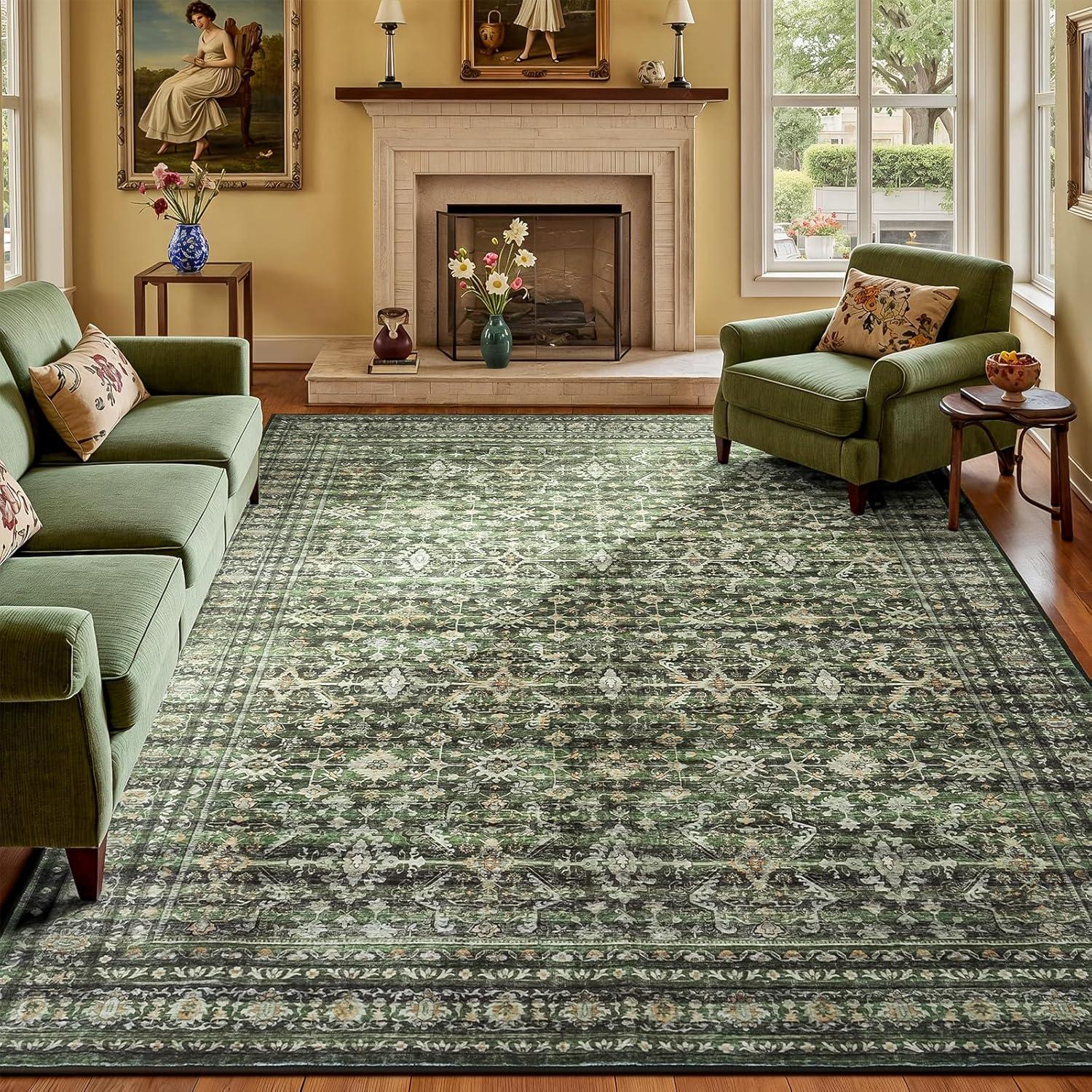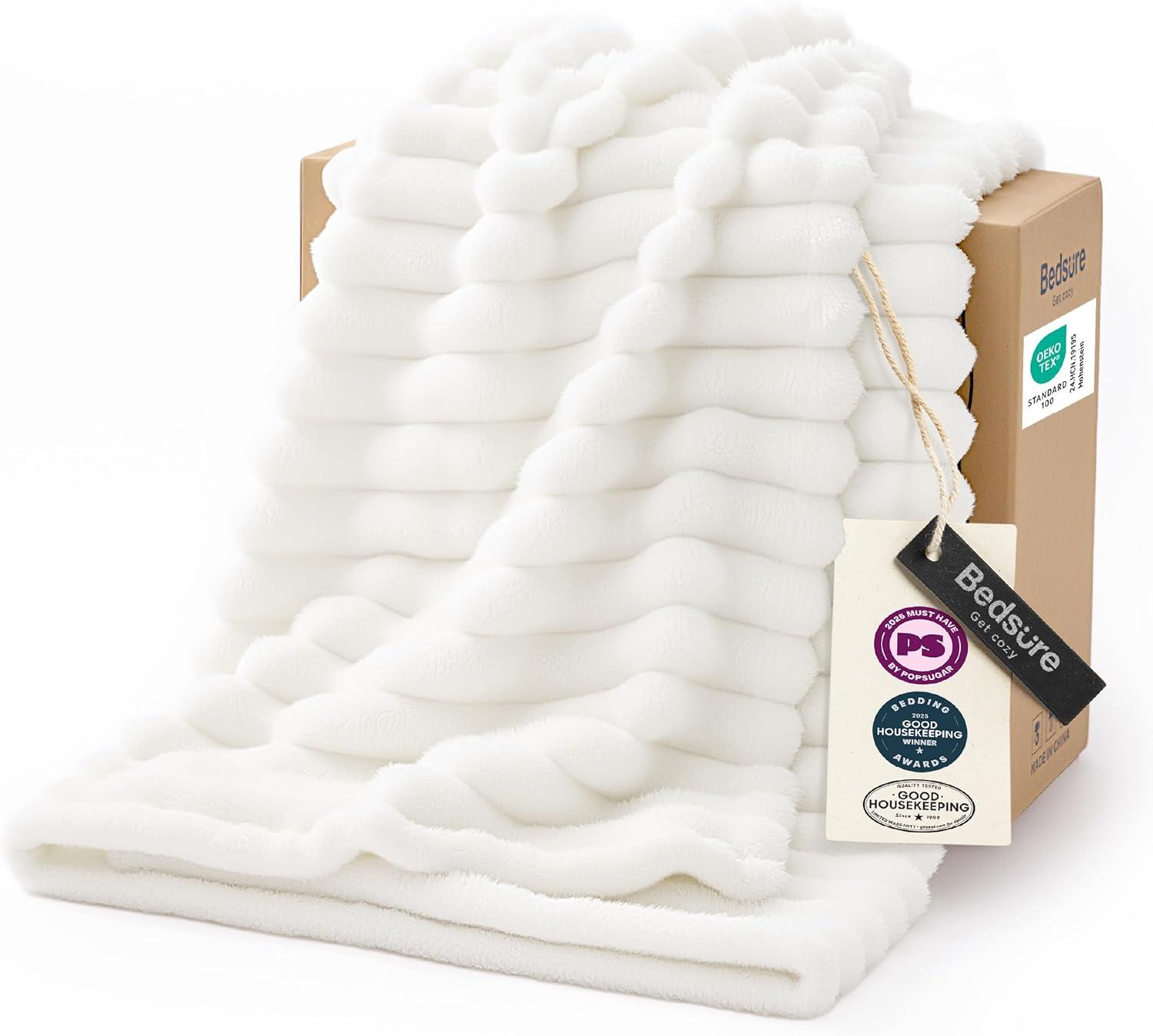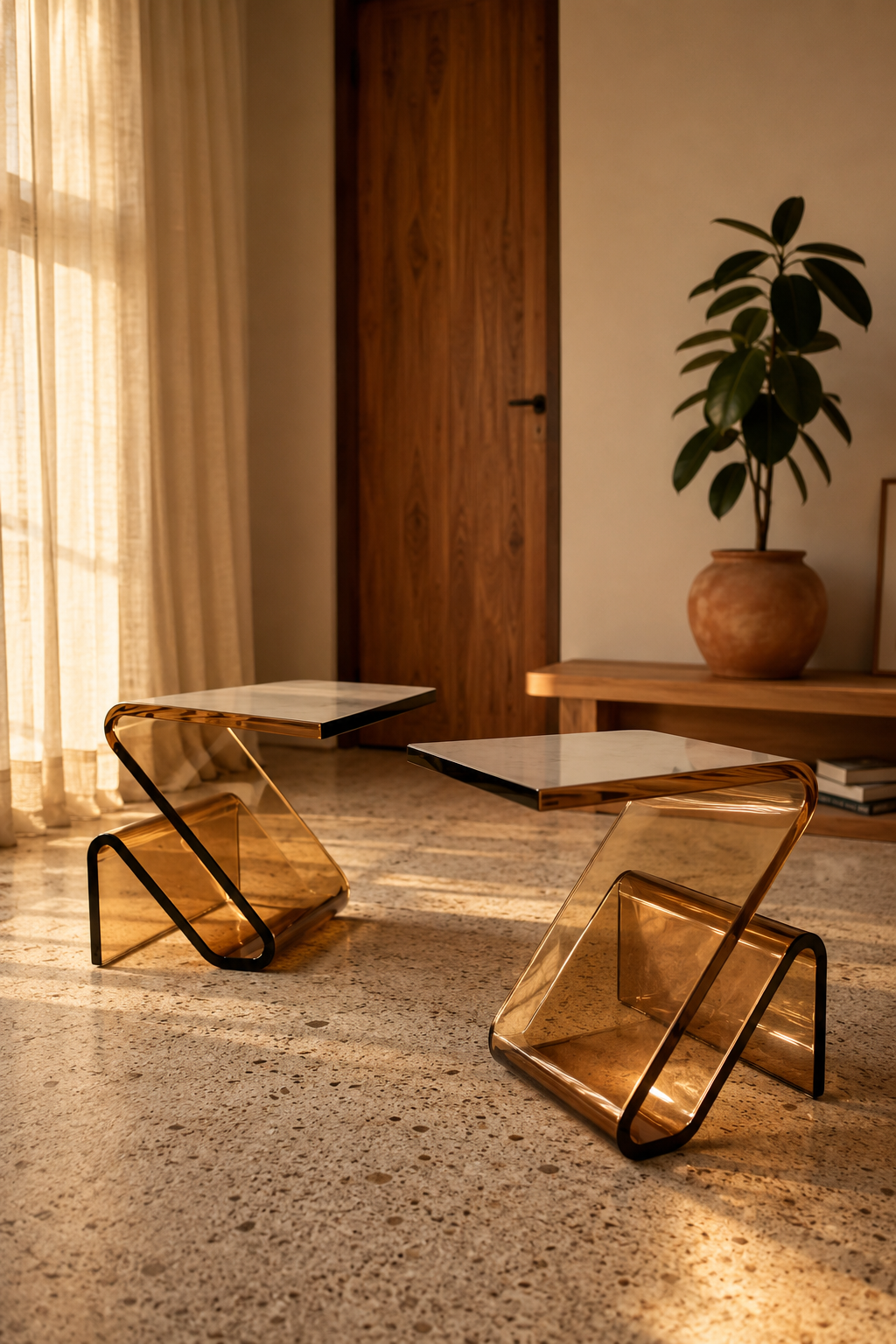
Home Decor
Home Decor · Interior Inspiration · Style Guides
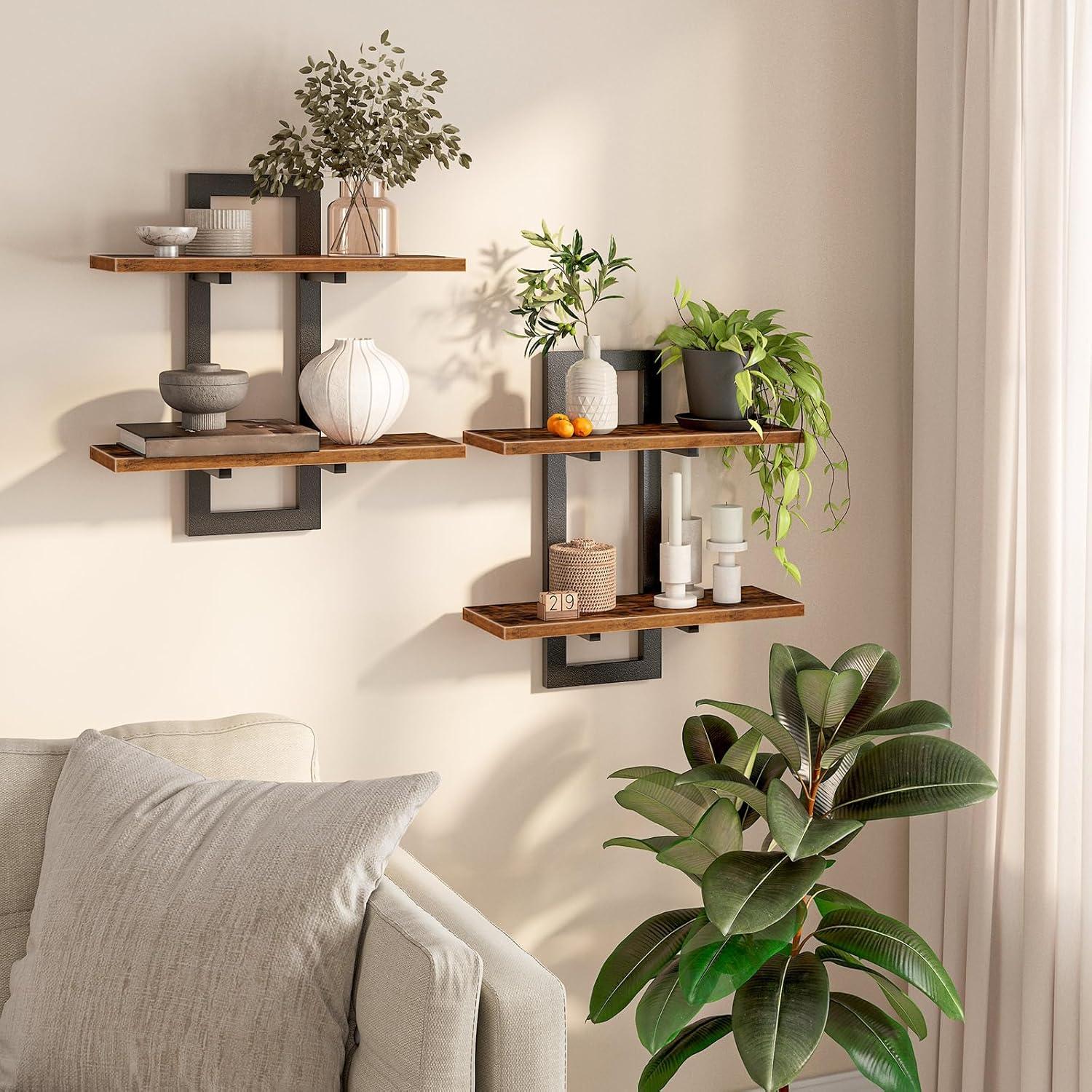
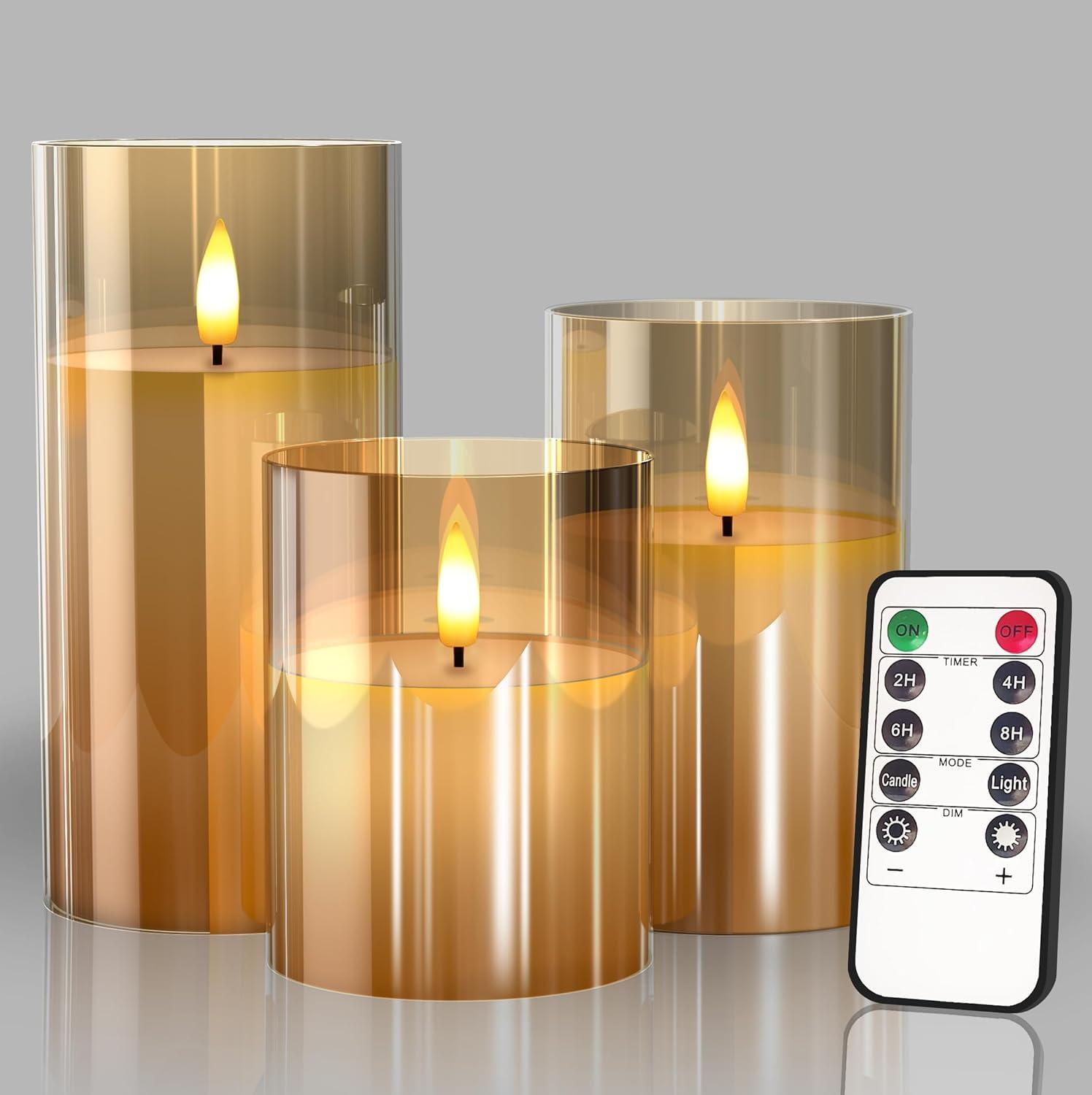
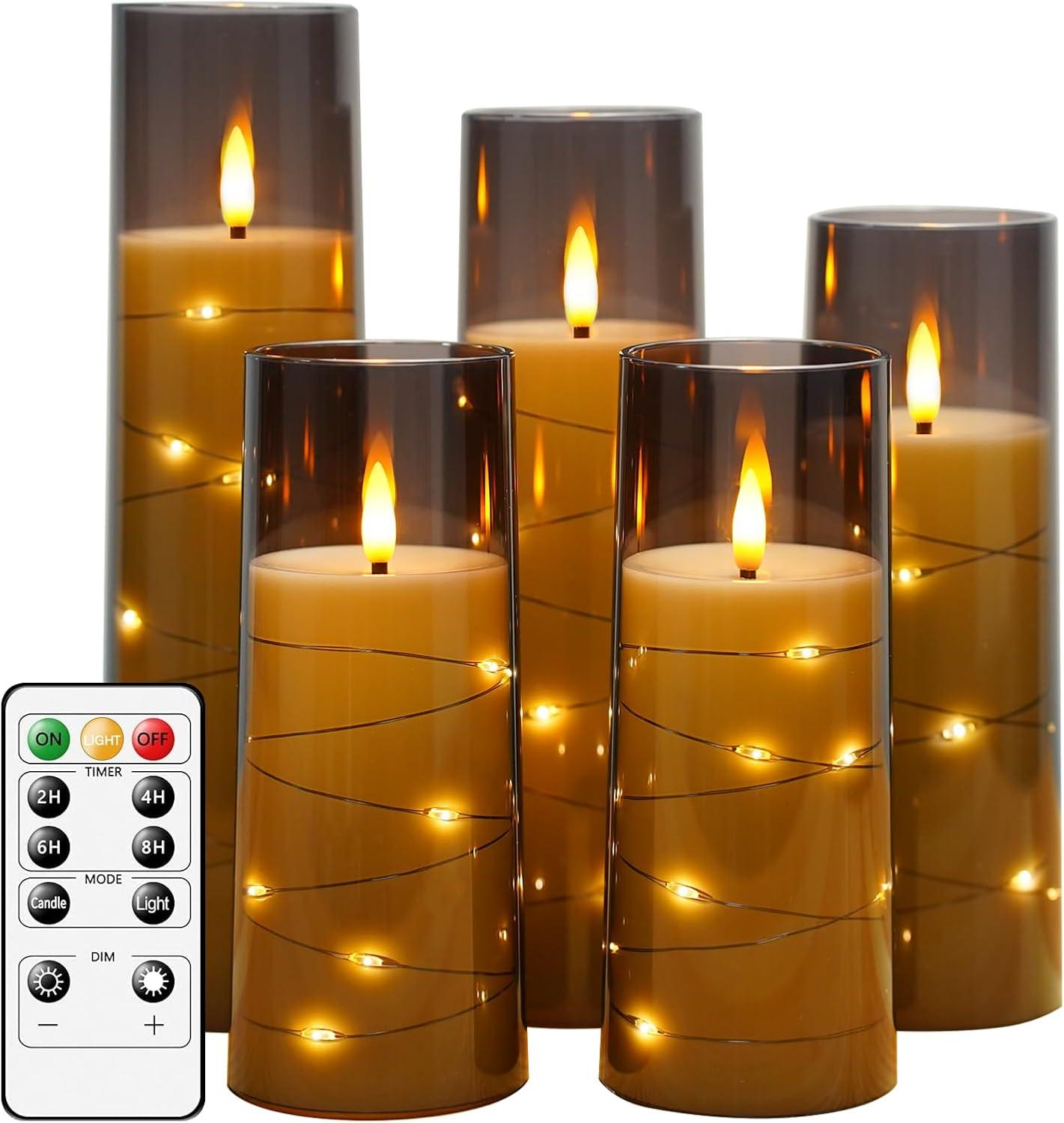
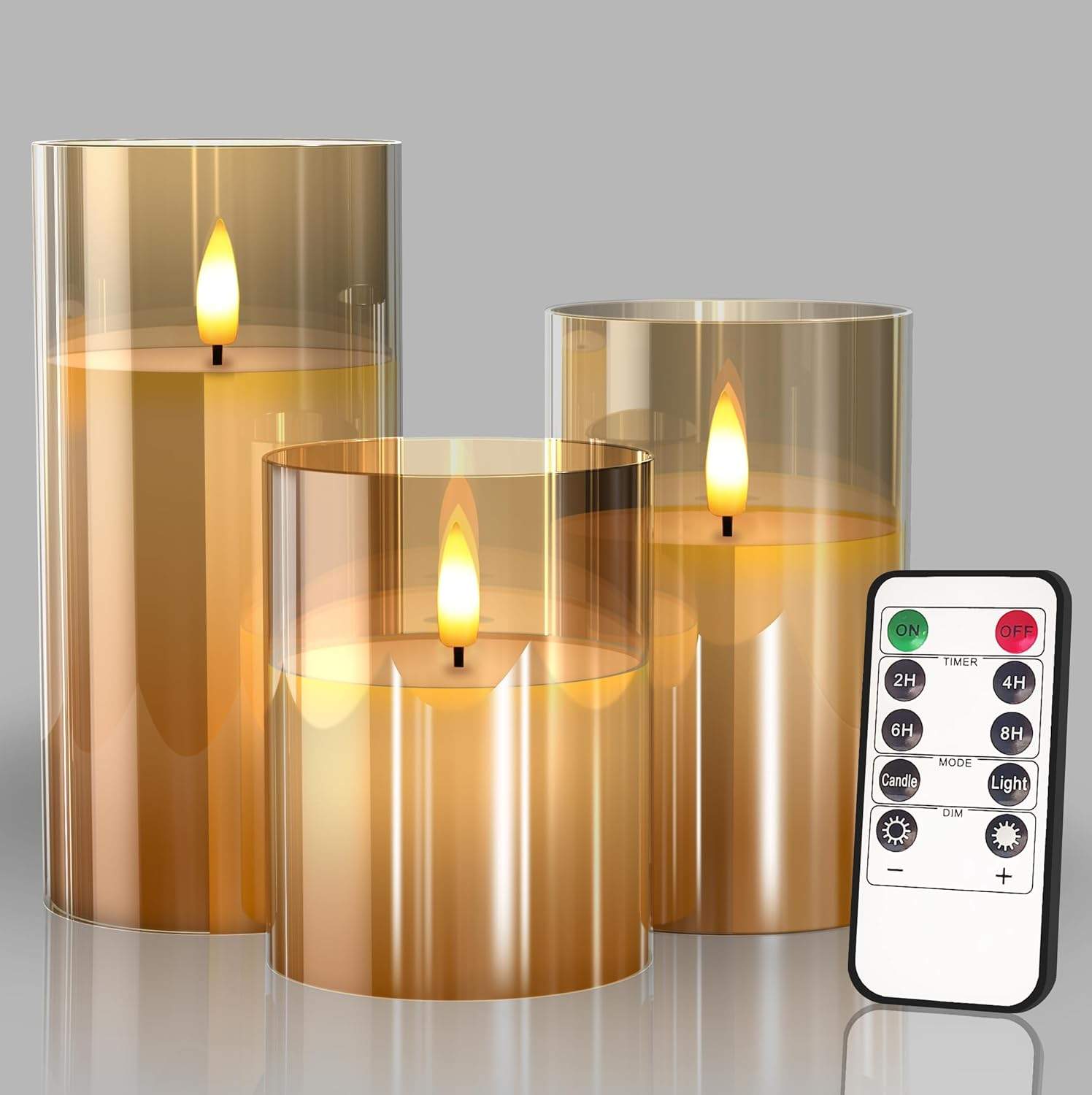
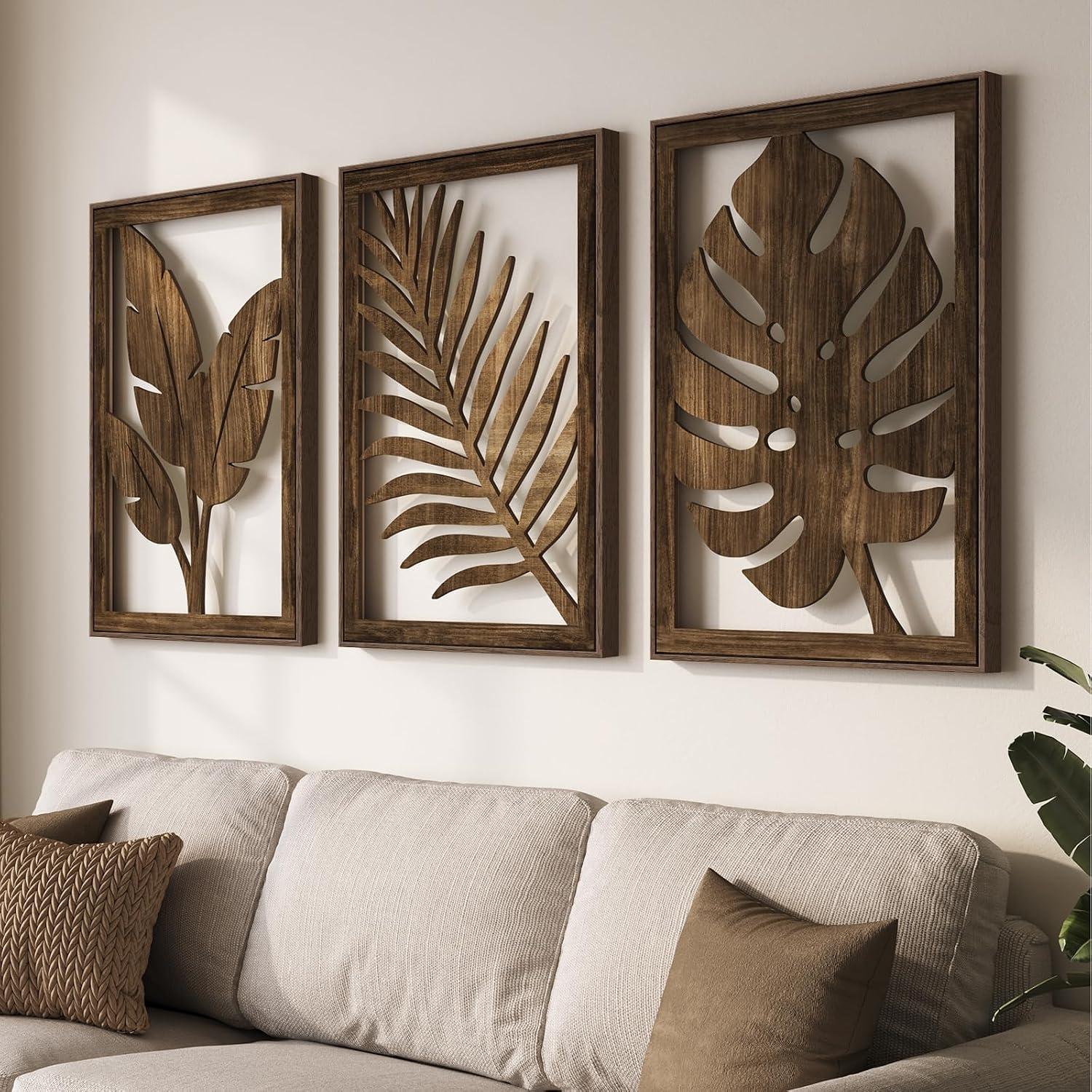
Living room decor ideas for layouts, lighting, sofas, shelves, and warm materials that make shared rooms feel calm, useful, and finished. Start with Remote-Controlled Flameless Candles for Cozy Decor and Boho Wood Wall Art Ideas for Warm Neutral Living Room Decor.
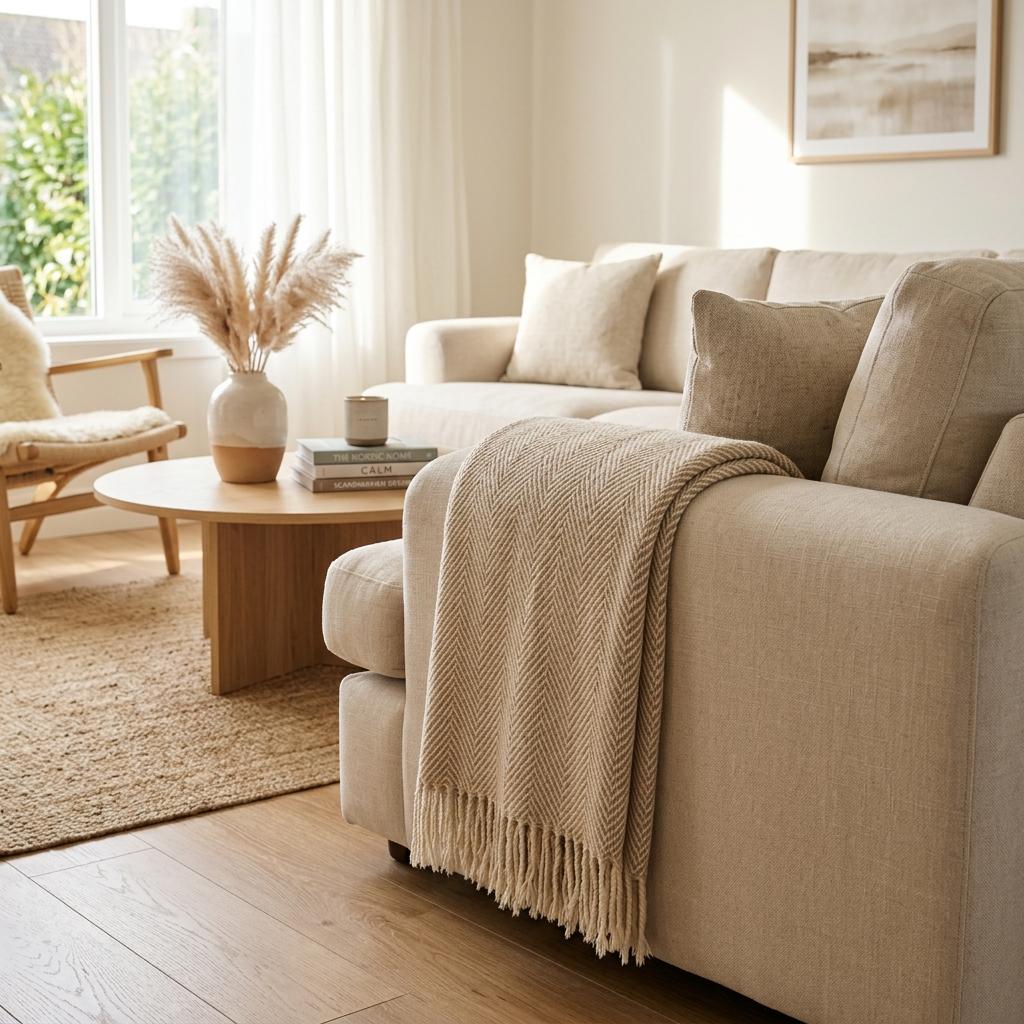
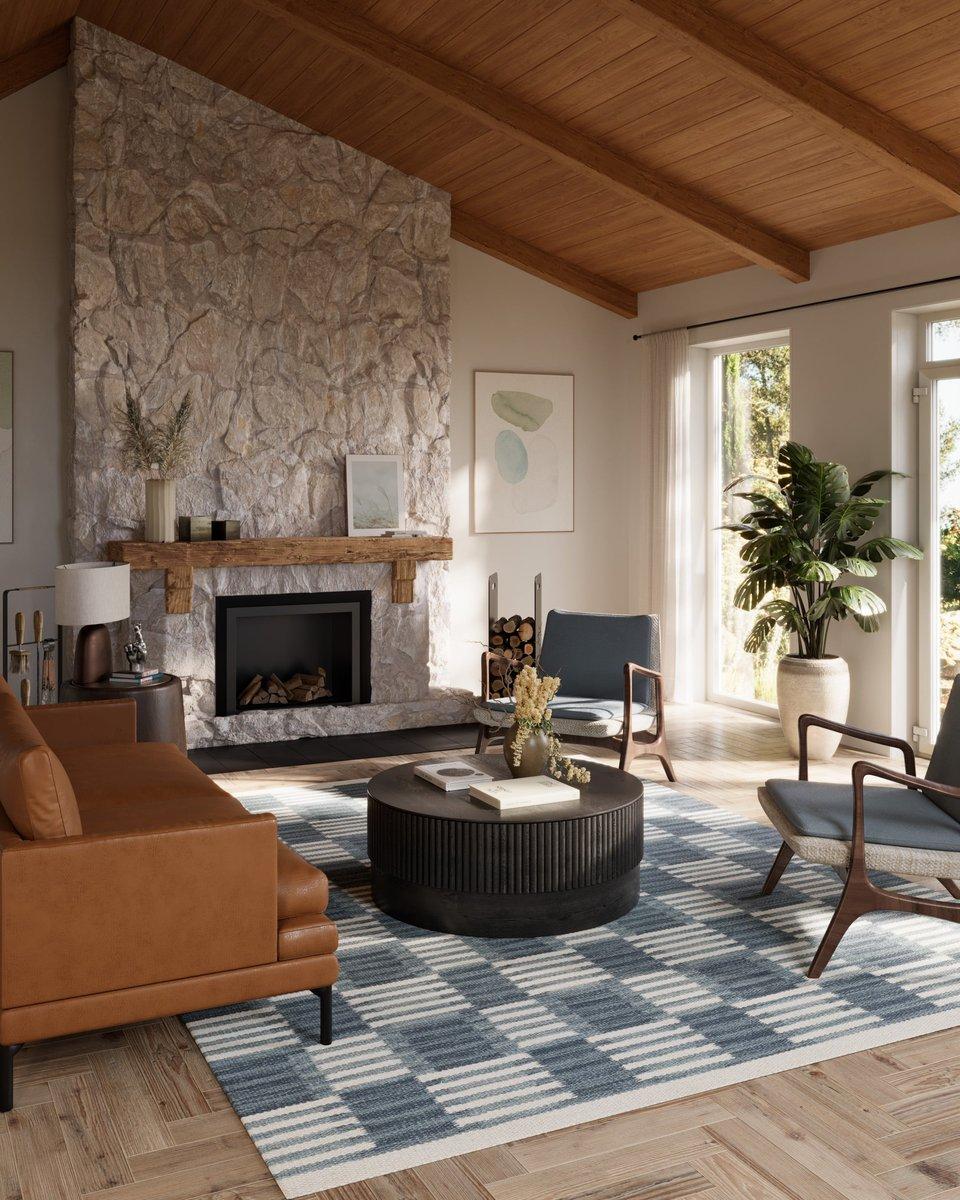
Living room decorating has to solve more contradictions than almost any other room. It needs to hold conversation, television, reading, storage, guests, pets, and the visual mess of everyday life, often in one open-plan space. This archive focuses on the choices that make that pressure feel intentional rather than crowded: scale, light, circulation, and the balance between soft and structured pieces.
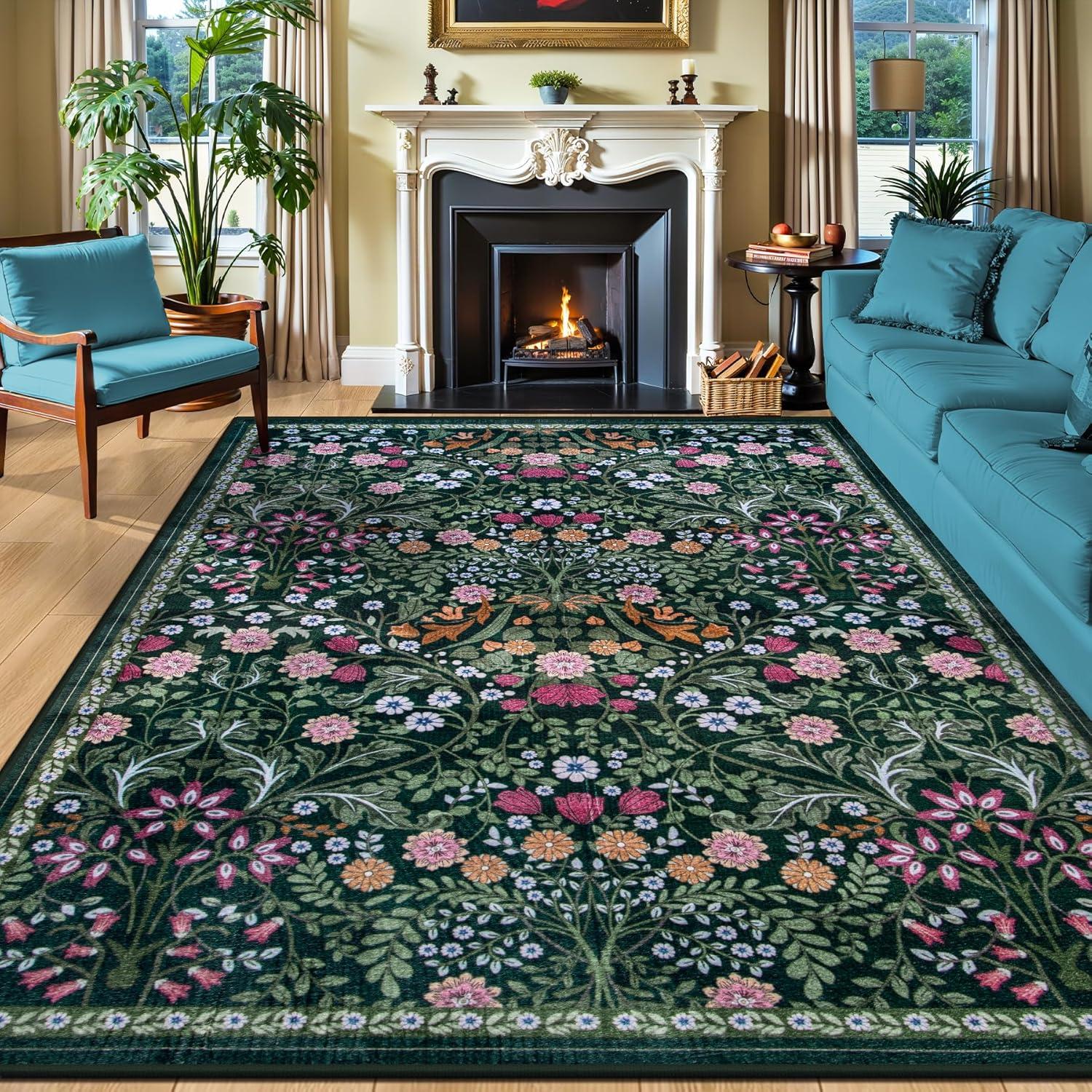
Start with layout before style. A living room usually improves fastest when the largest pieces stop fighting the room: the sofa clears a walkway, the coffee table leaves enough knee space, the media wall stops becoming the only focal point, and storage rises vertically instead of eating the floor. From there, color and texture can do their work without carrying problems they cannot fix.
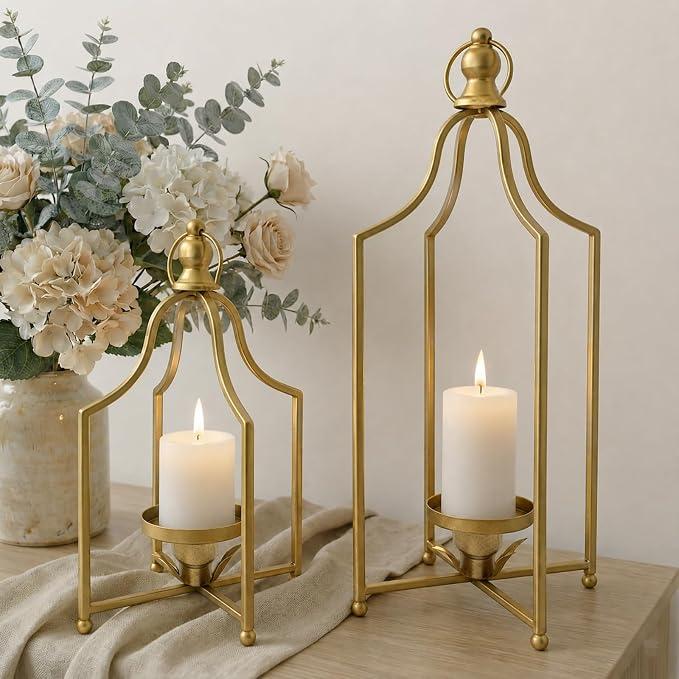
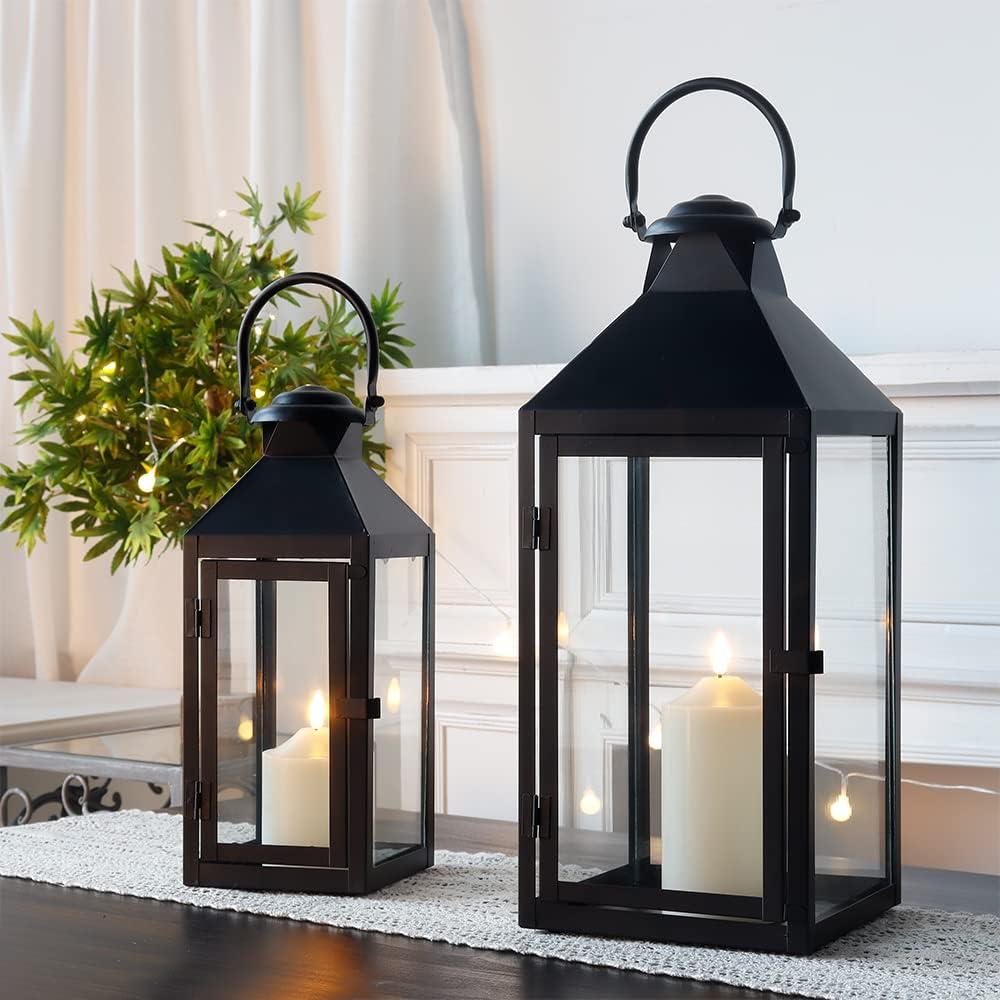
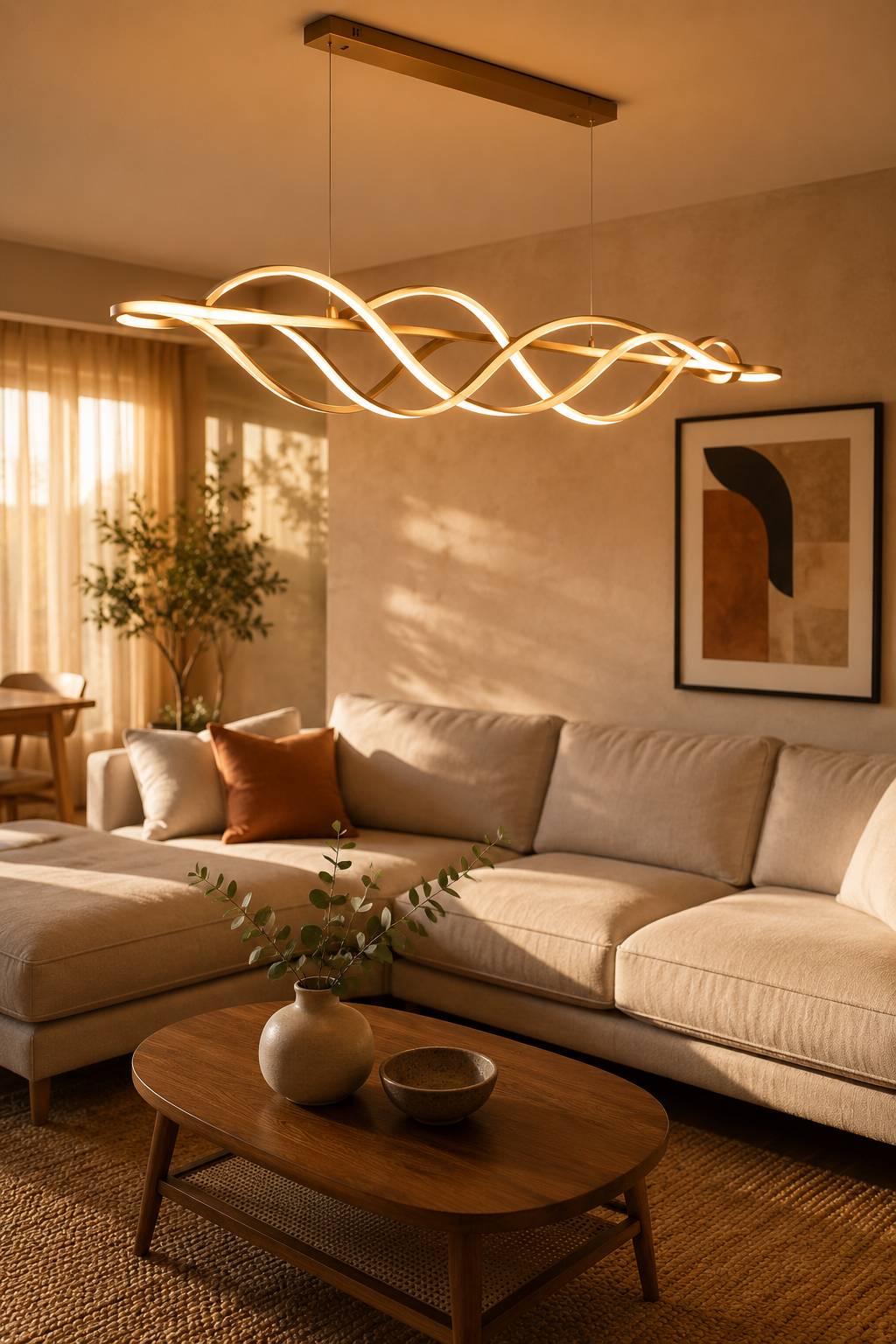
Lighting gets separate attention because it changes the room twice a day. Overhead light may help with cleaning, but evening living rooms usually need lower sources: table lamps, wall lights, floor lamps, and warm bulbs that make neutral fabrics feel deliberate. We favour layered light over statement fixtures unless the fixture also improves the room's proportions.
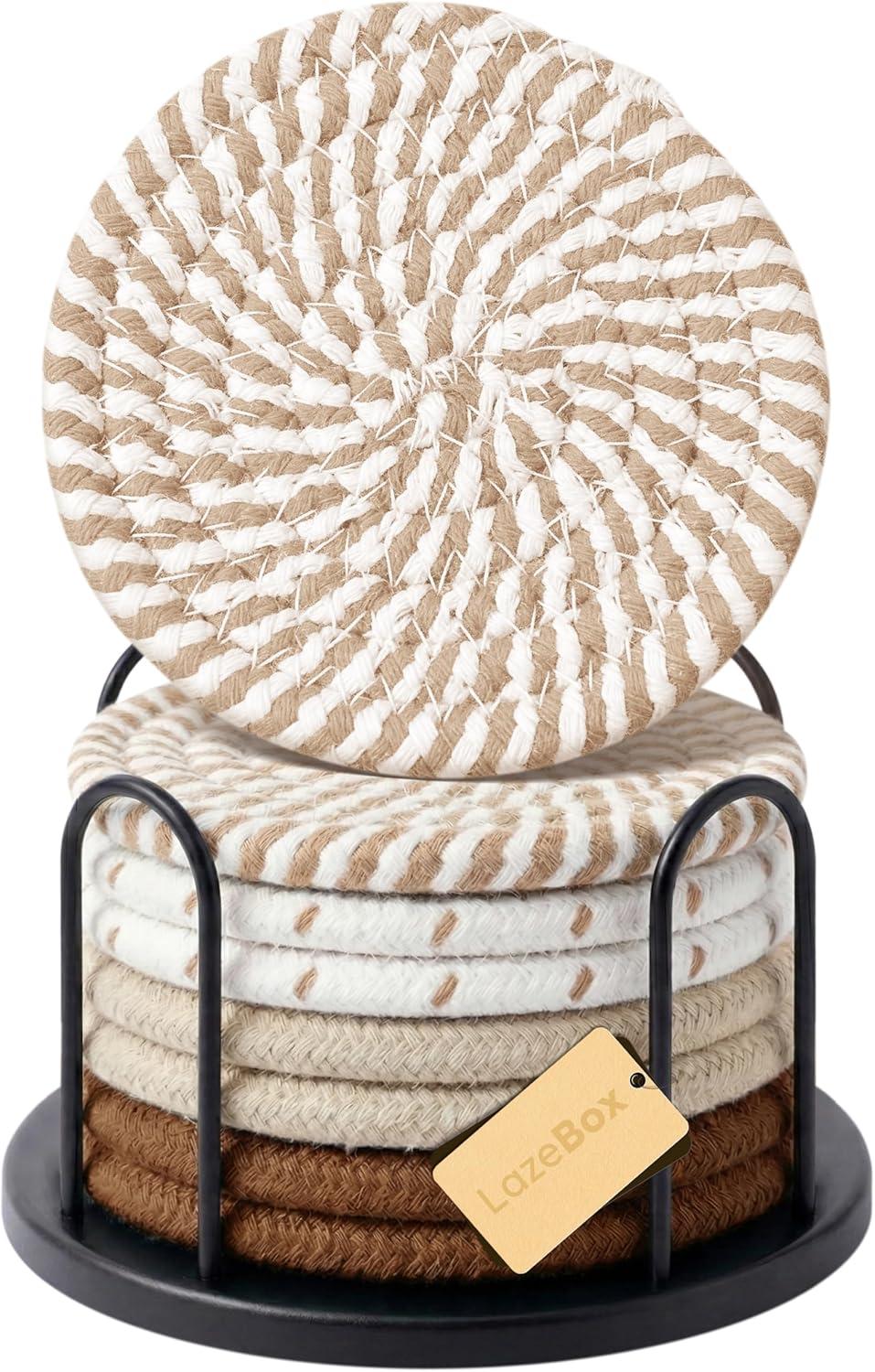
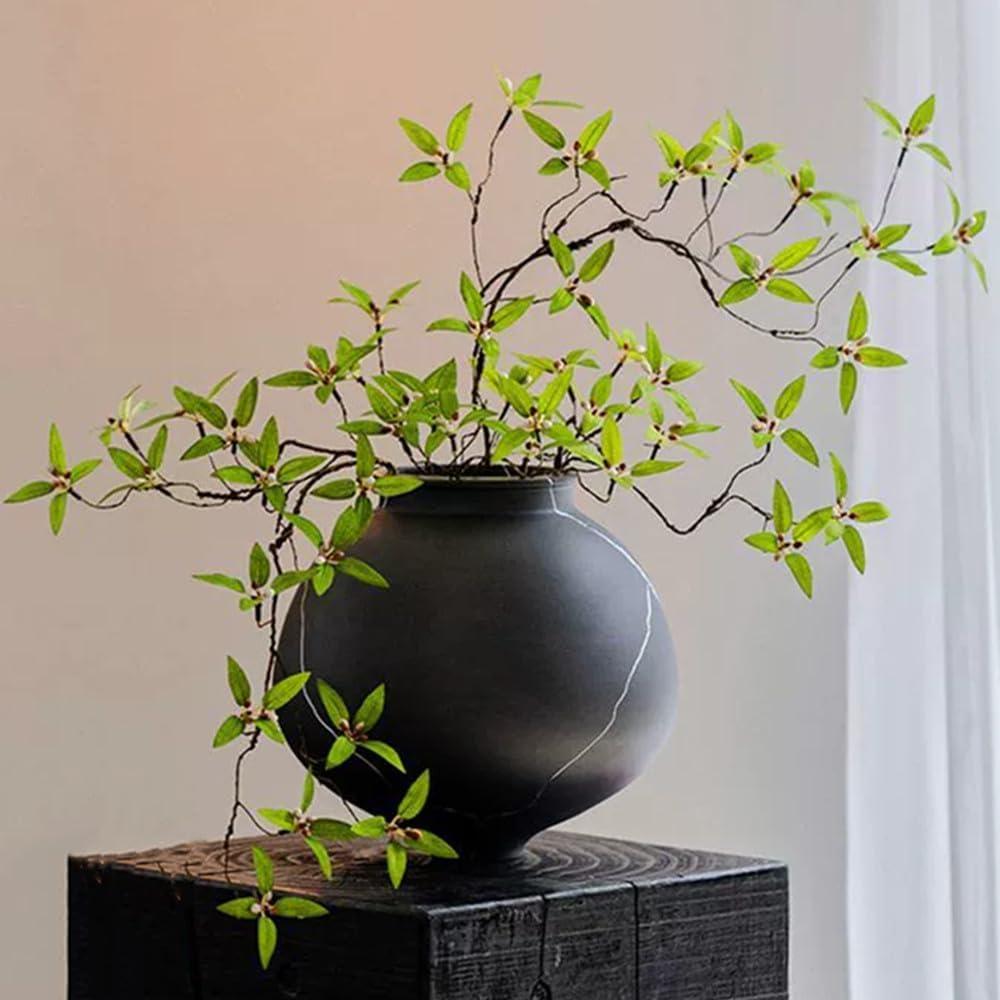
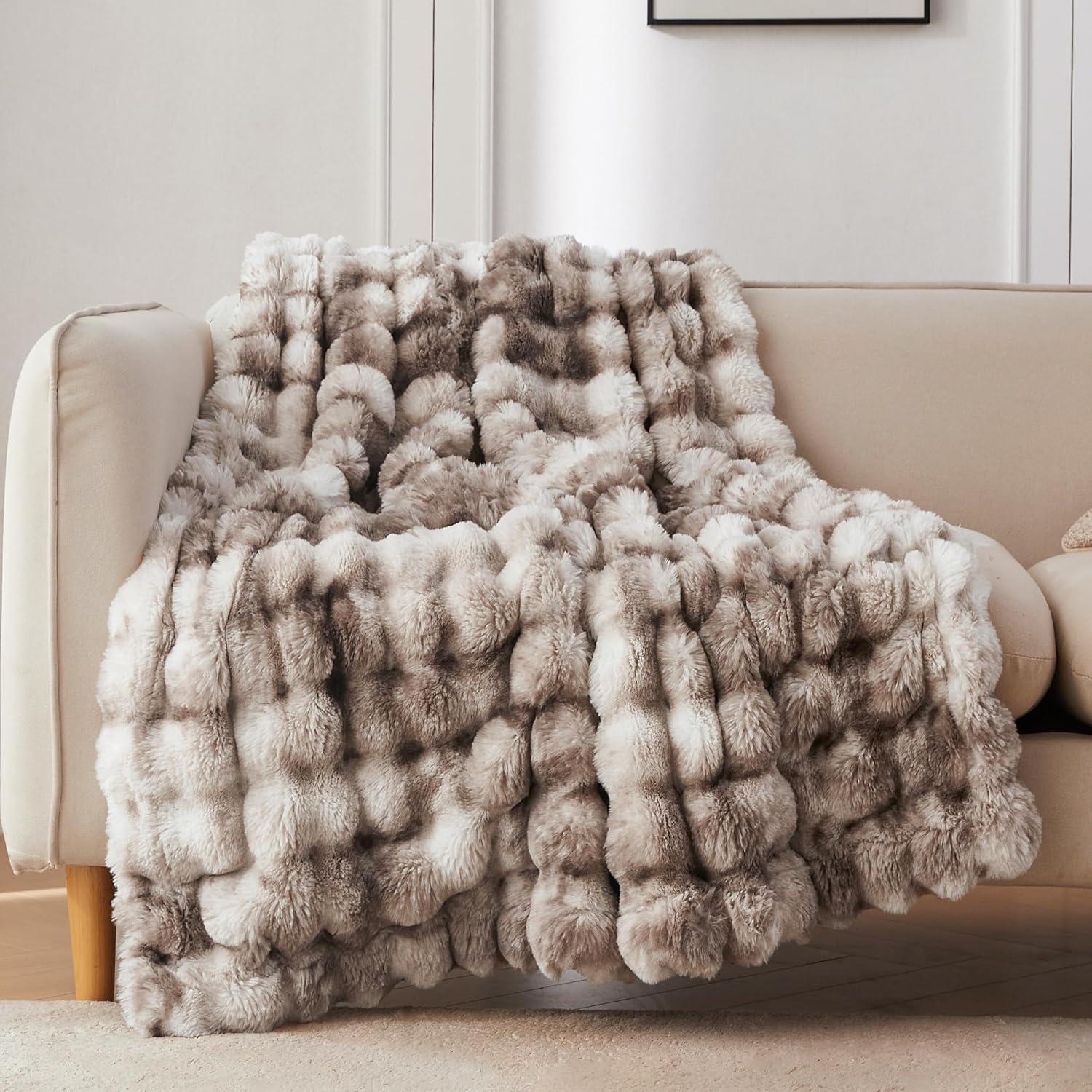
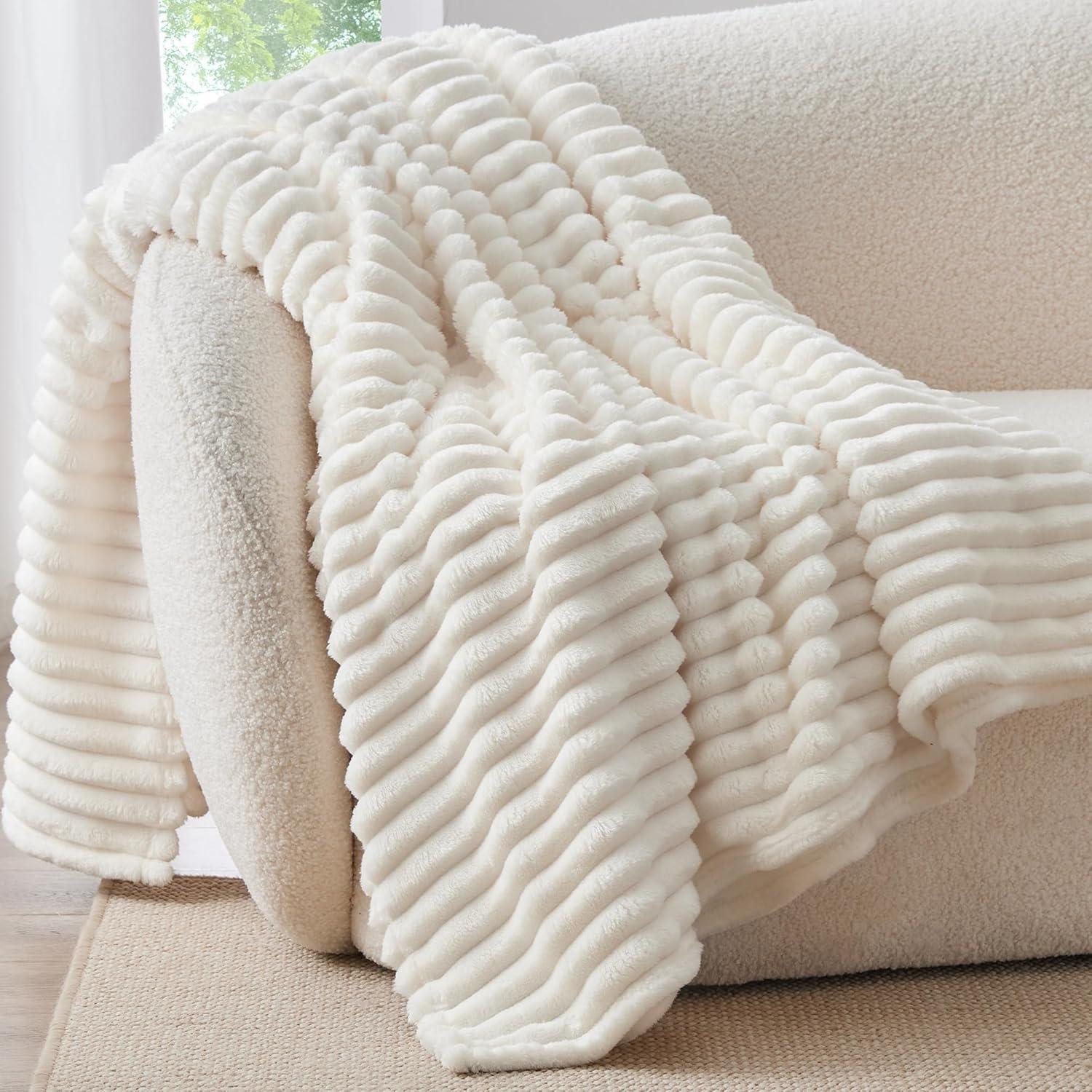
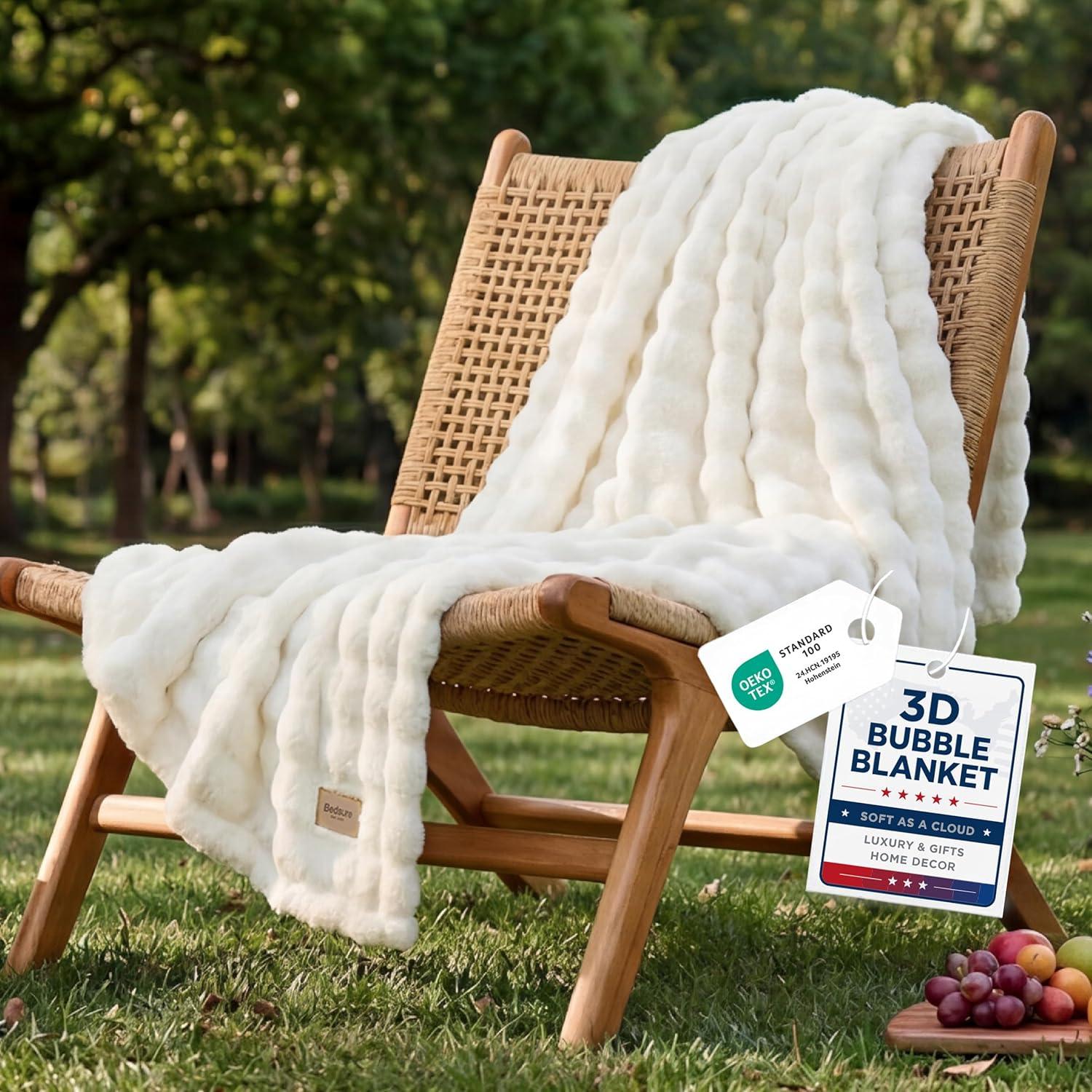
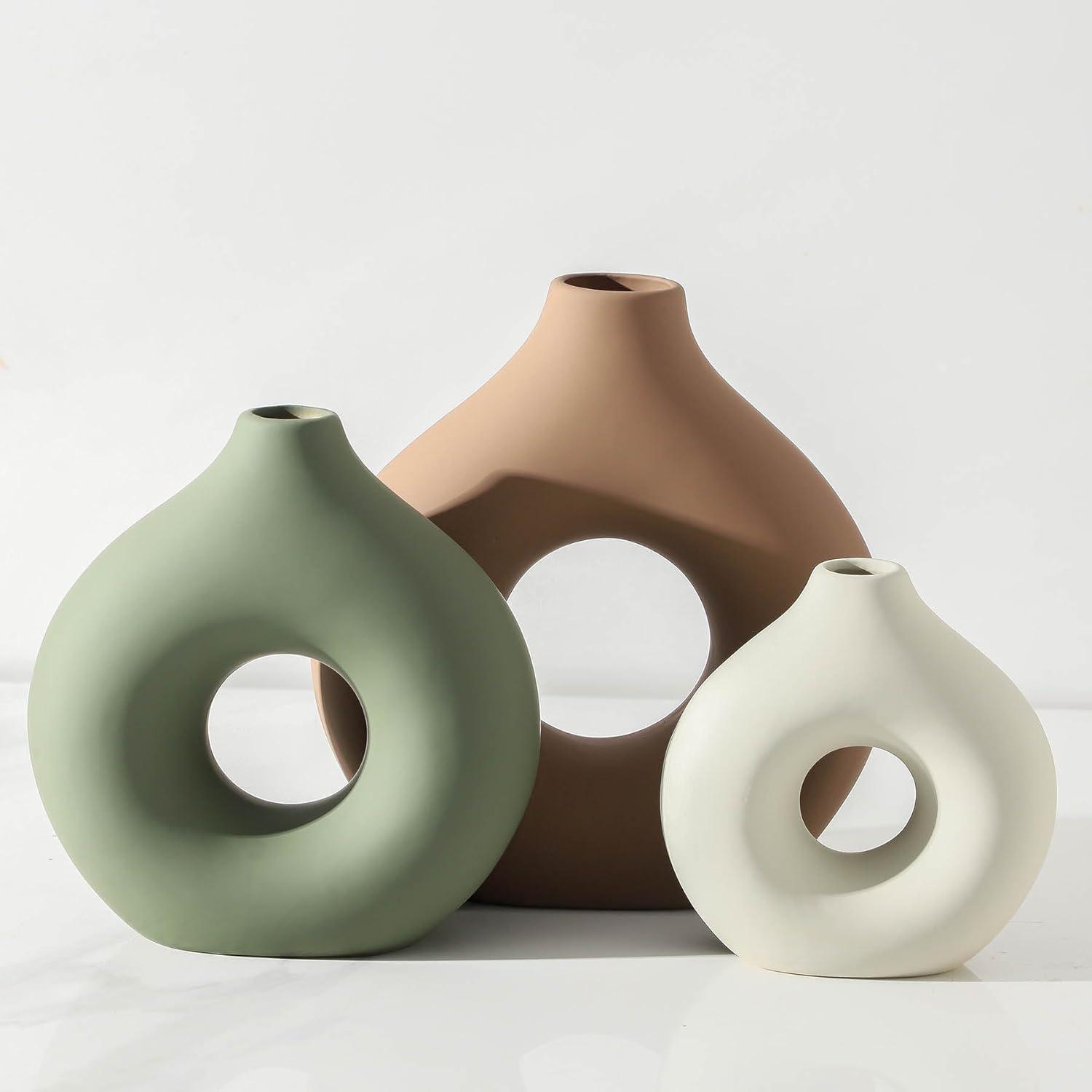
Materials do the quieter work. Boucle, linen, travertine, walnut, acrylic, black metal, and ceramic can all belong in a calm living room, but they need assigned roles. One material can be the anchor, one can be the contrast, and one can repeat in small amounts so the room feels composed. When every surface tries to be the feature, the room loses the restful quality most readers came looking for.
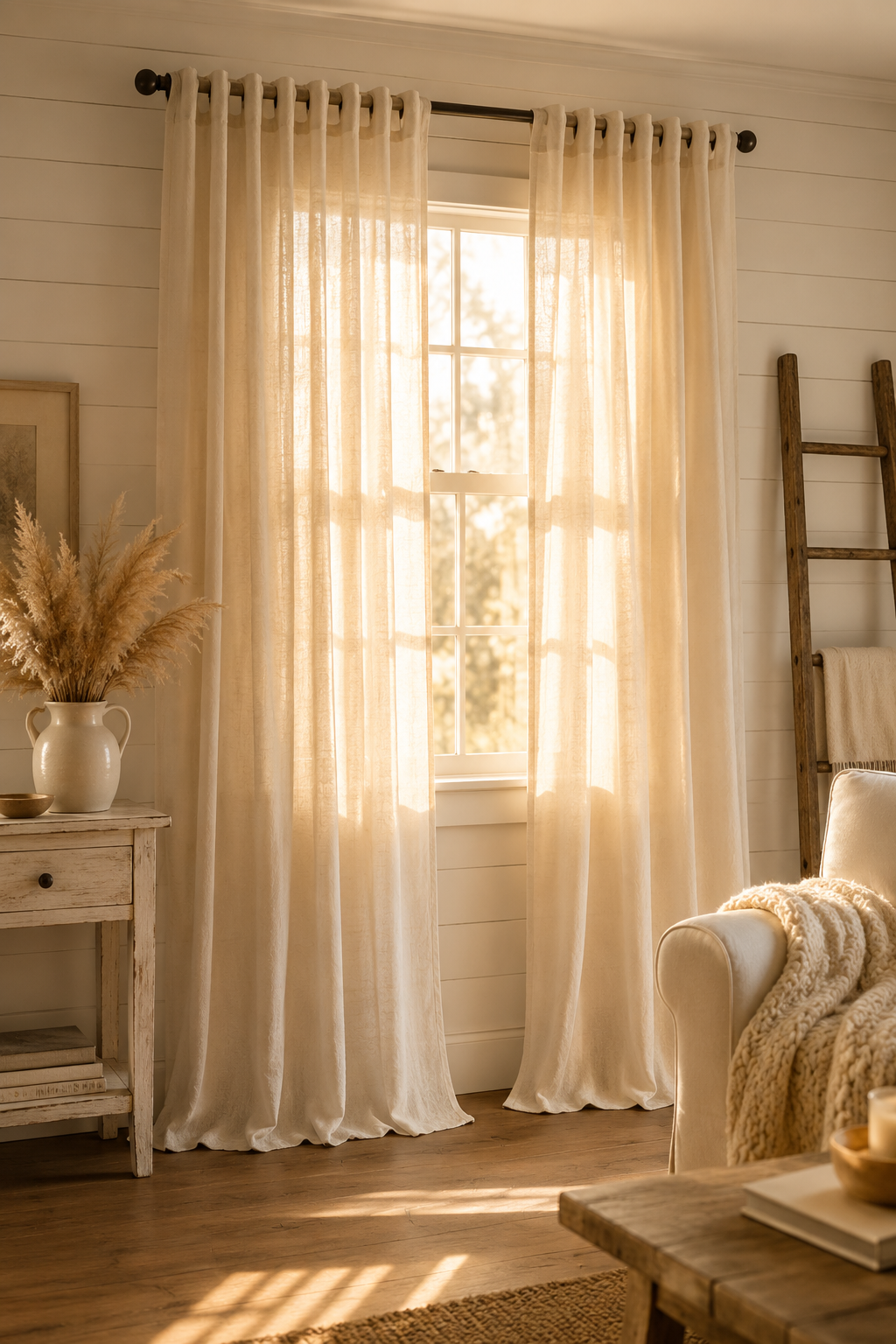
The archive is also useful for diagnosing what to remove. If the window is the best part of the room, furniture should stop competing with it. If a shelf is doing display and storage at the same time, it may need fewer objects, not more bins. If a modern fixture feels harsh, the problem may be bulb temperature or ceiling height rather than the fixture itself.
Use the articles below to compare small-room strategies, window-first layouts, warm modern lighting, sofas, shelves, and accessory edits. The consistent rule is restraint with evidence: add the piece that solves the visible problem, then stop long enough to see whether the room actually needs more.
For renters and smaller homes, we keep the advice reversible where possible: lighting swaps, textile changes, shelf placement, table shapes, and layout edits before built-ins or expensive upholstery. A living room should earn permanent changes only after the lighter moves prove what the space really needs.