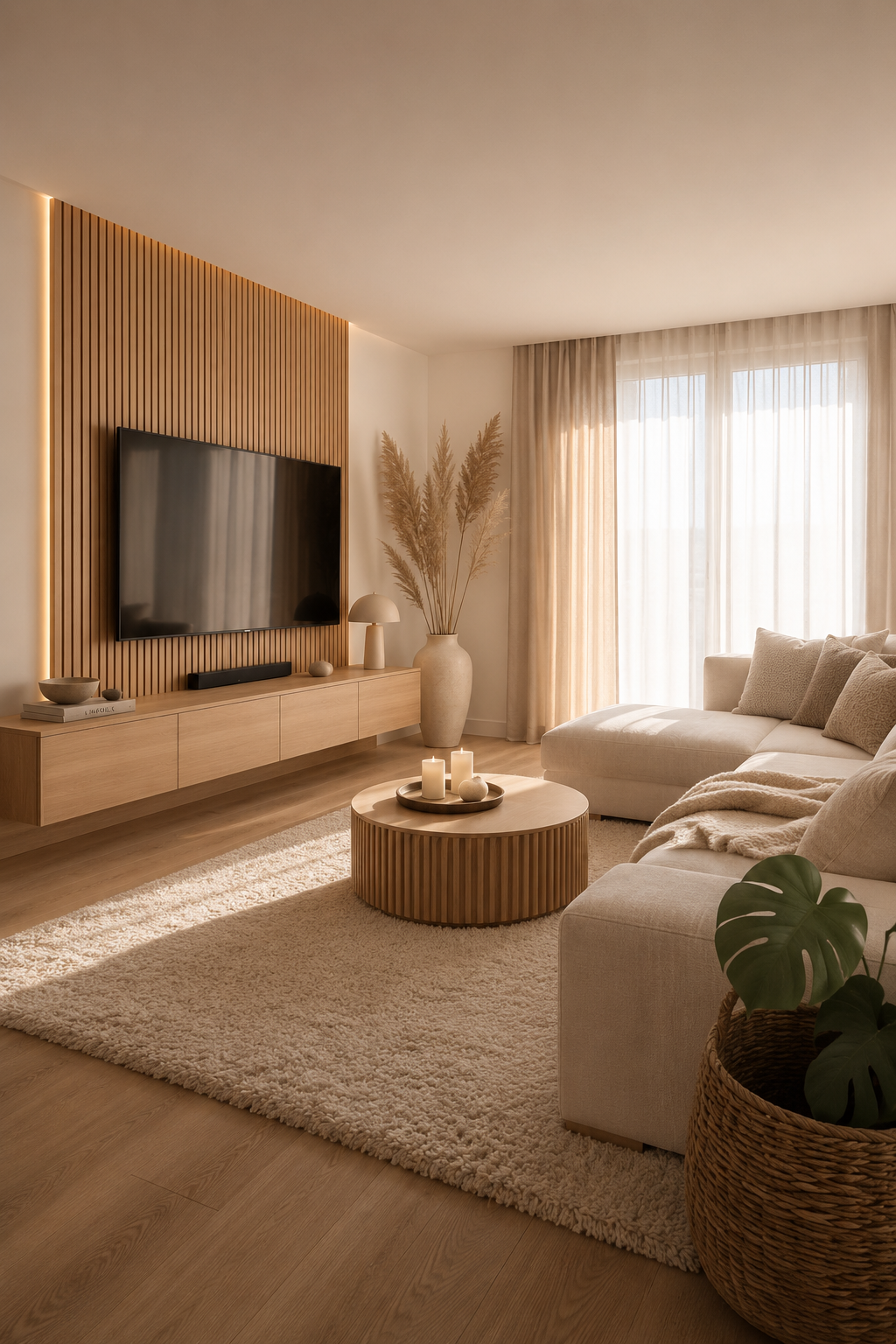
Shop the Look
Shop the look guides — bedroom, kitchen, and living room sets where every piece is named, sourced, and chosen to work as a coordinated whole. Start with Slow-Living Living Room Ideas to Shop With Restraint.
Shop the look is the archive for readers who want a finished room direction without being handed a brittle shopping list. Each guide starts with the feeling of the room, then works backward into the pieces that make it repeatable: the anchor furniture, the secondary texture, the lighting temperature, the storage rhythm, and the few accent objects that give the space a point of view.
We treat a look as a system rather than a bundle. A cream sofa may need a heavier coffee table so the room does not float away; a linen bedroom may need one darker timber note so it still feels grounded at night; a calm kitchen may need fewer objects on the counter, not another tray. The product list matters, but the relationship between the pieces matters more.
Use these pages when you are choosing several items at once and need the order of operations. Start with the non-negotiable measurement, usually sofa length, bed width, dining clearance, or pendant drop. Then choose the surface finish that appears most often in the room, followed by textiles, light, and smaller accessories. That sequence prevents the common problem where every individual item is attractive but the room still feels noisy.
For bedrooms, the look usually depends on softness and repetition: bedding texture, bedside scale, curtain weight, and the temperature of the first lamp switched on at night. For living rooms, the look depends more on proportion: sofa height, table mass, rug size, and whether the accent pieces help the room settle instead of adding more shapes. Kitchens need the strictest edit because counters collect visual noise quickly; the best look may be one tray, one timber note, and better light.
We also call out where a look is flexible. If the anchor item is sold out, the replacement needs the same size, tone, and visual weight, not the same brand name. If the budget changes, spend first on the piece people touch or see from the doorway, then use quieter substitutes for the supporting layer. A look should survive substitutions without collapsing into a catalogue copy.
Affiliate links may appear where an exact product is available, but the archive is not built as a storefront. Pieces are included only when they carry the look, solve a real room constraint, or offer a clear substitute for a higher-priced reference. If a product is decorative but not useful to the room plan, it stays out.
Before following any shopping list, measure the room twice: the largest opening, the walkway after furniture lands, and the height where the eye naturally stops. Those numbers decide whether the look will feel calm in your home or only in the article photo.