Furniture & Accessories
Home Decor · Interior Inspiration · Style Guides
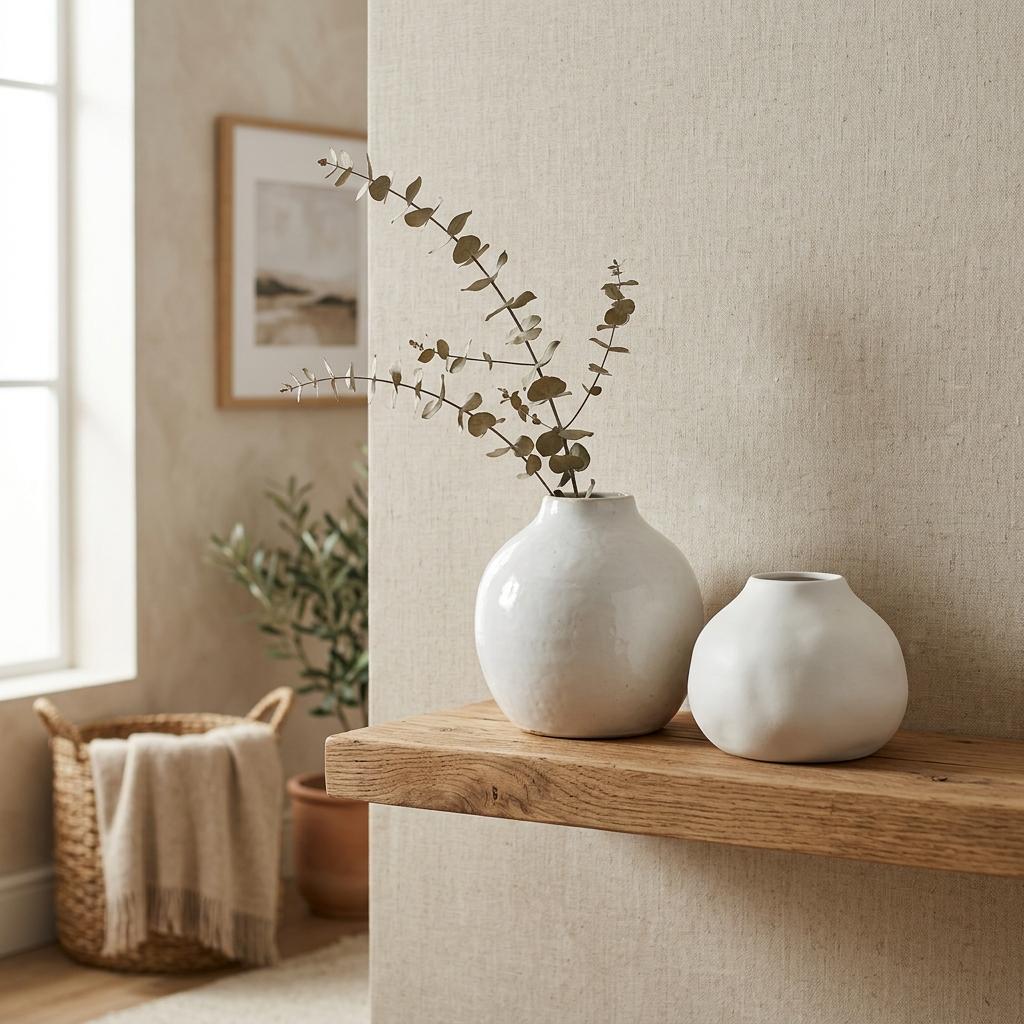
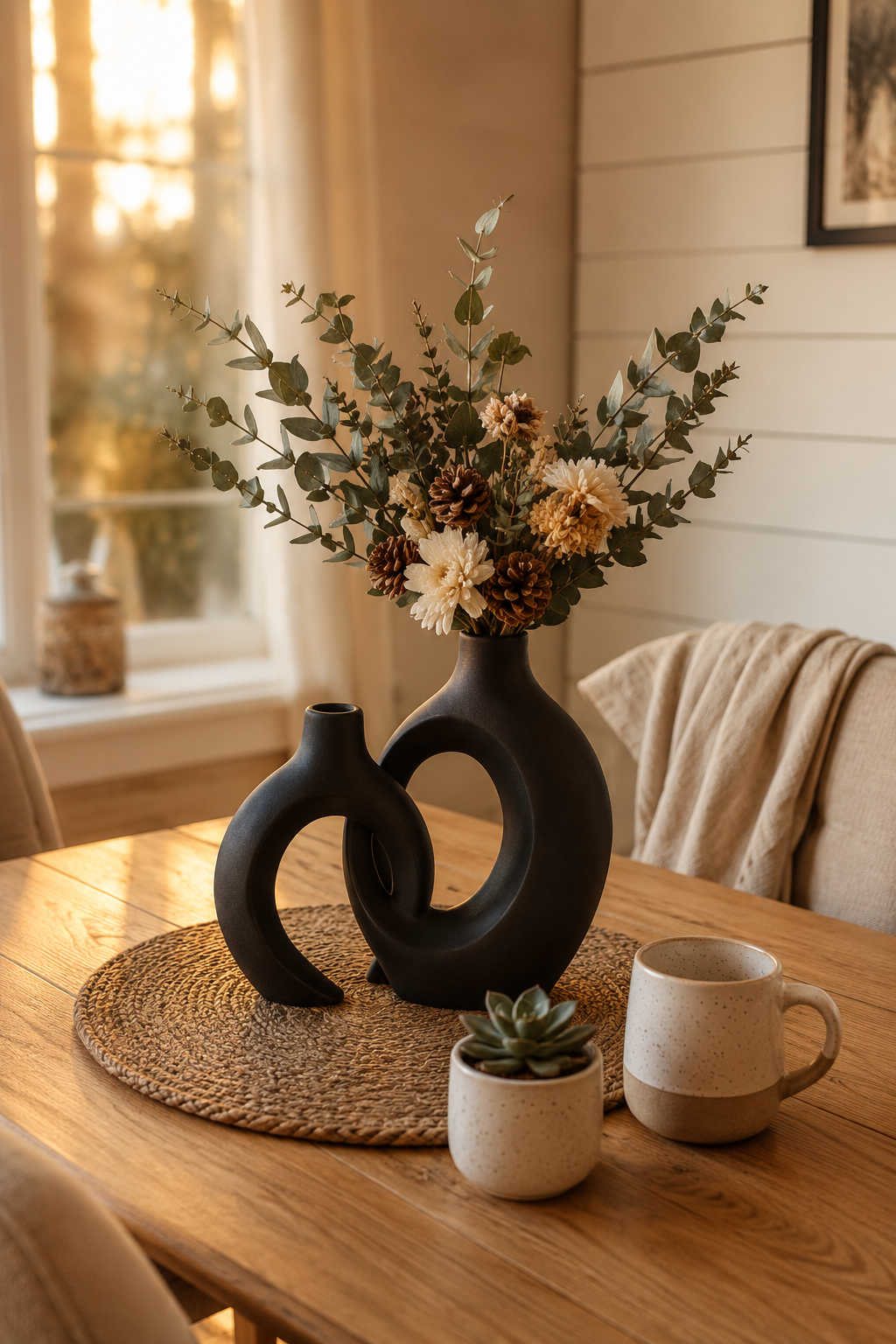
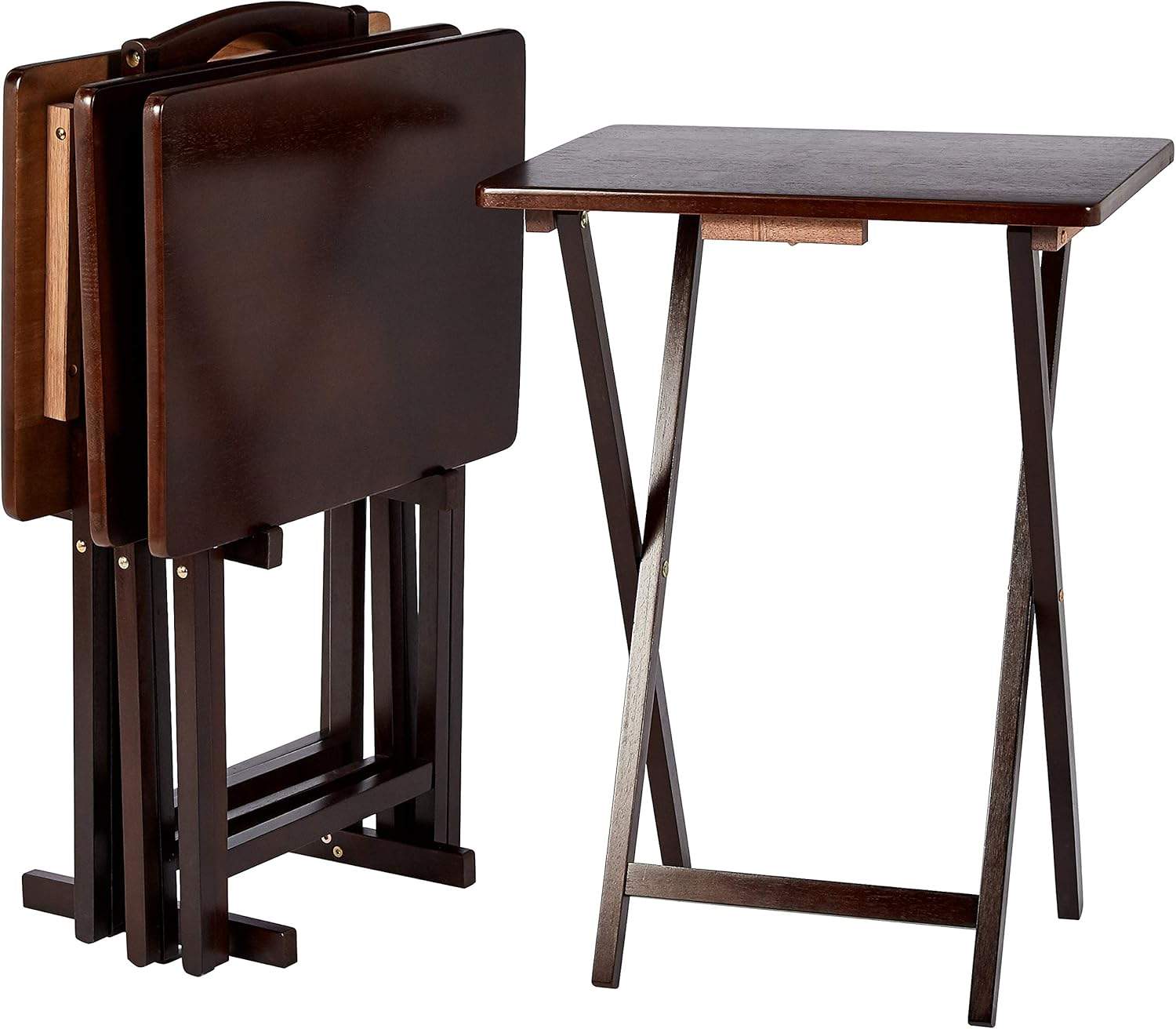
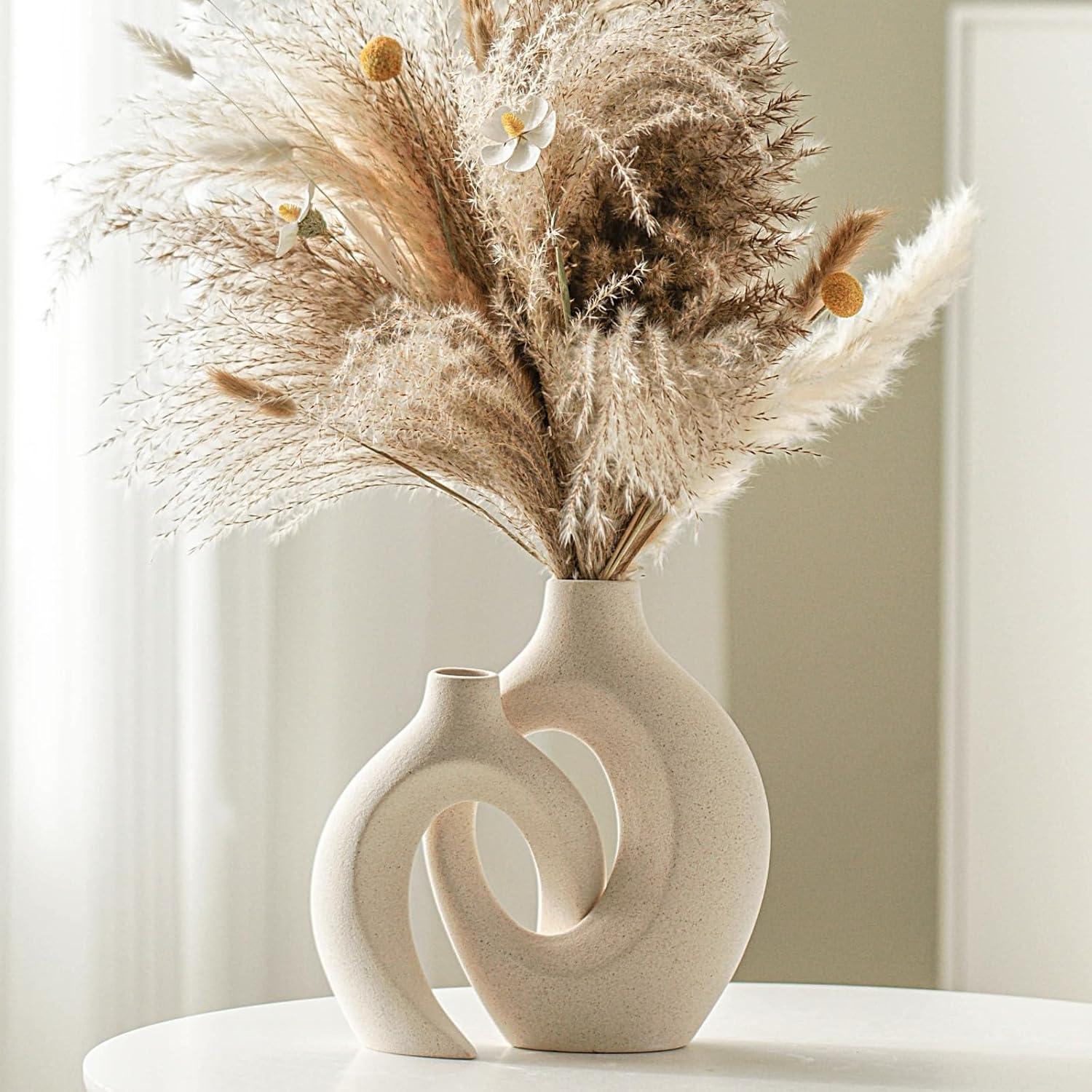
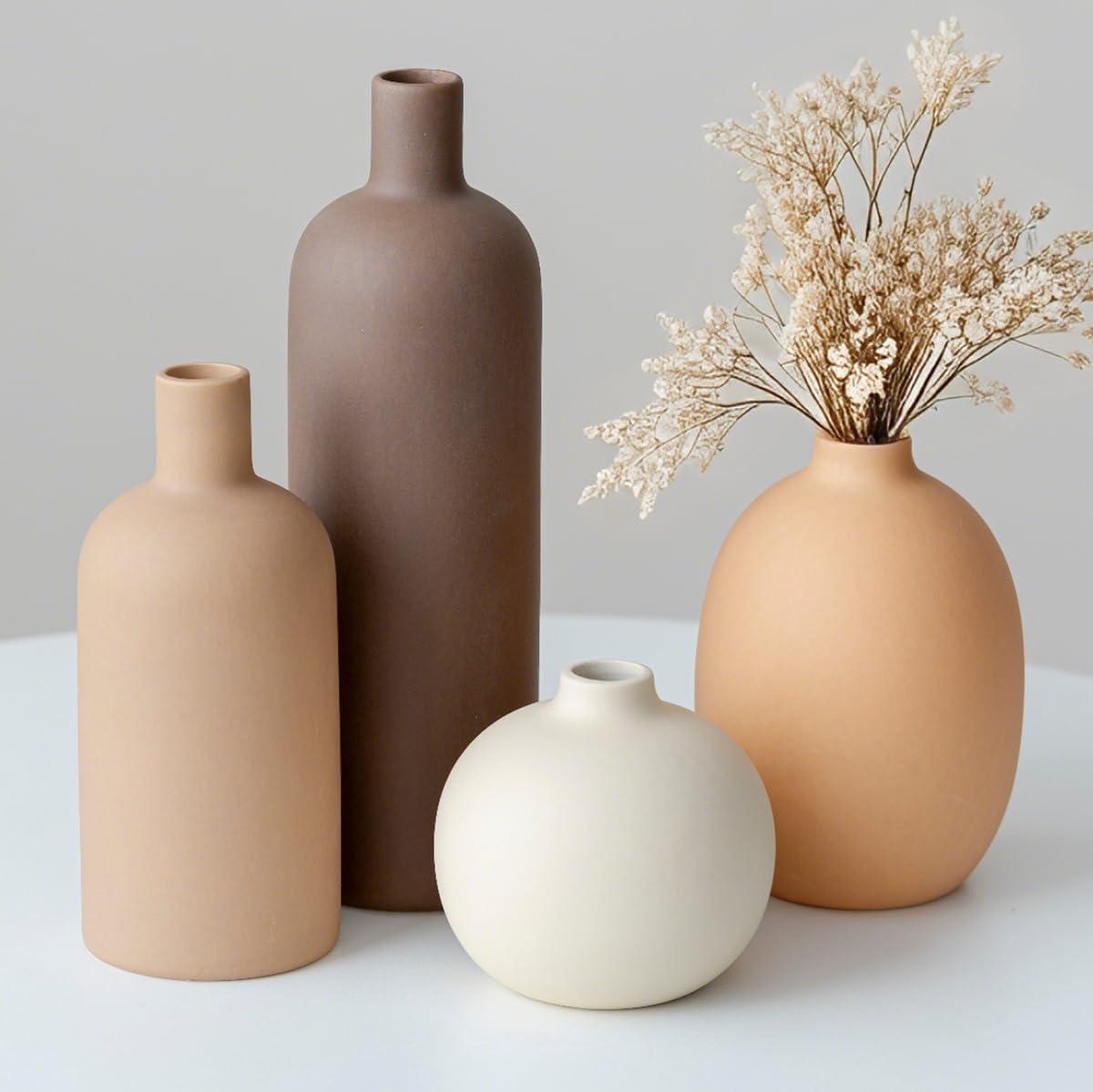
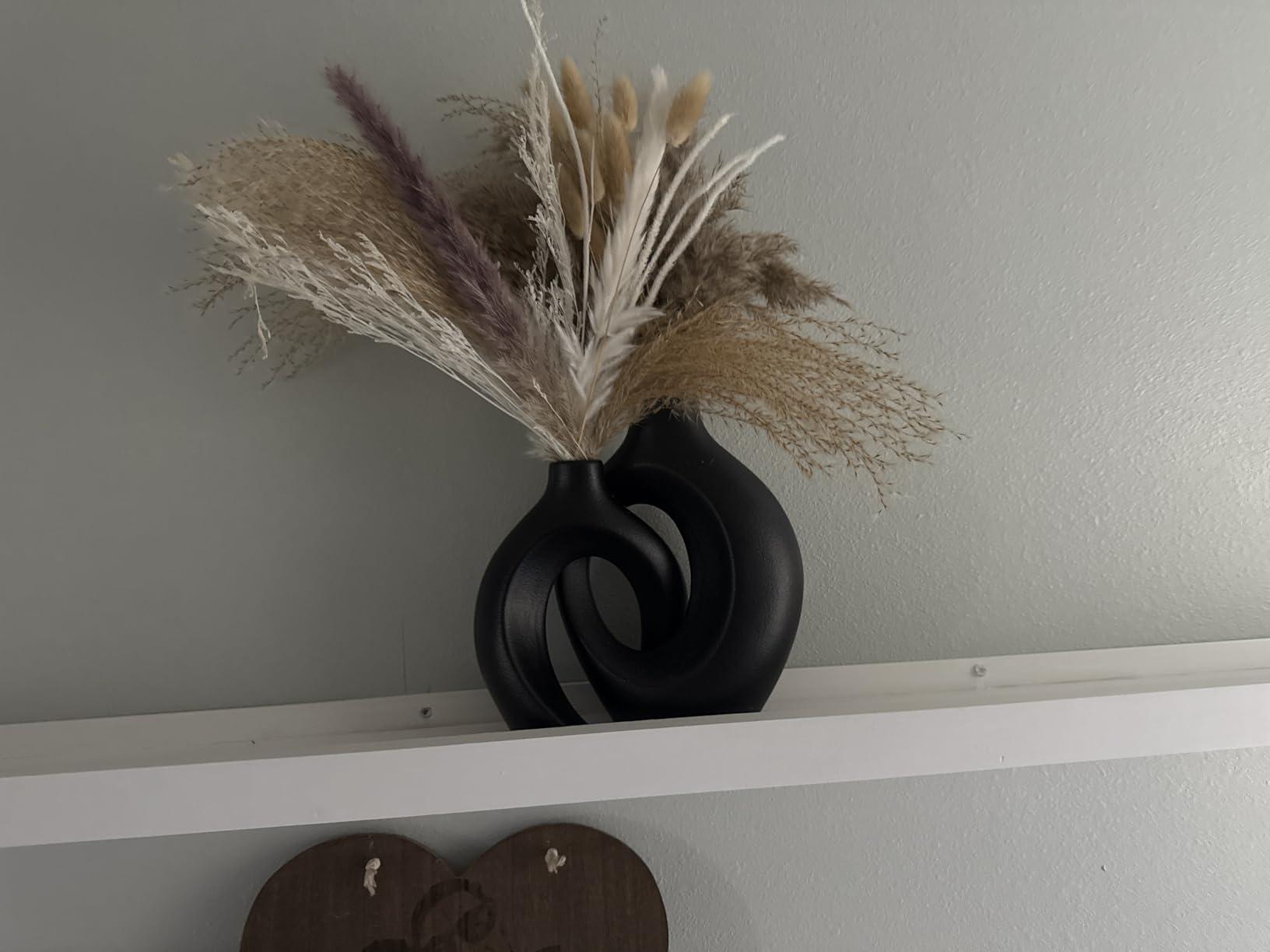
Home accessory guides for shelves, mirrors, trays, vases, frames, and small decor pieces that finish rooms without adding clutter. Start with Foldable TV Tray Table Ideas for Small Living Rooms and Aesthetic Ceramic Vases: Softening Rigid Room Layouts.
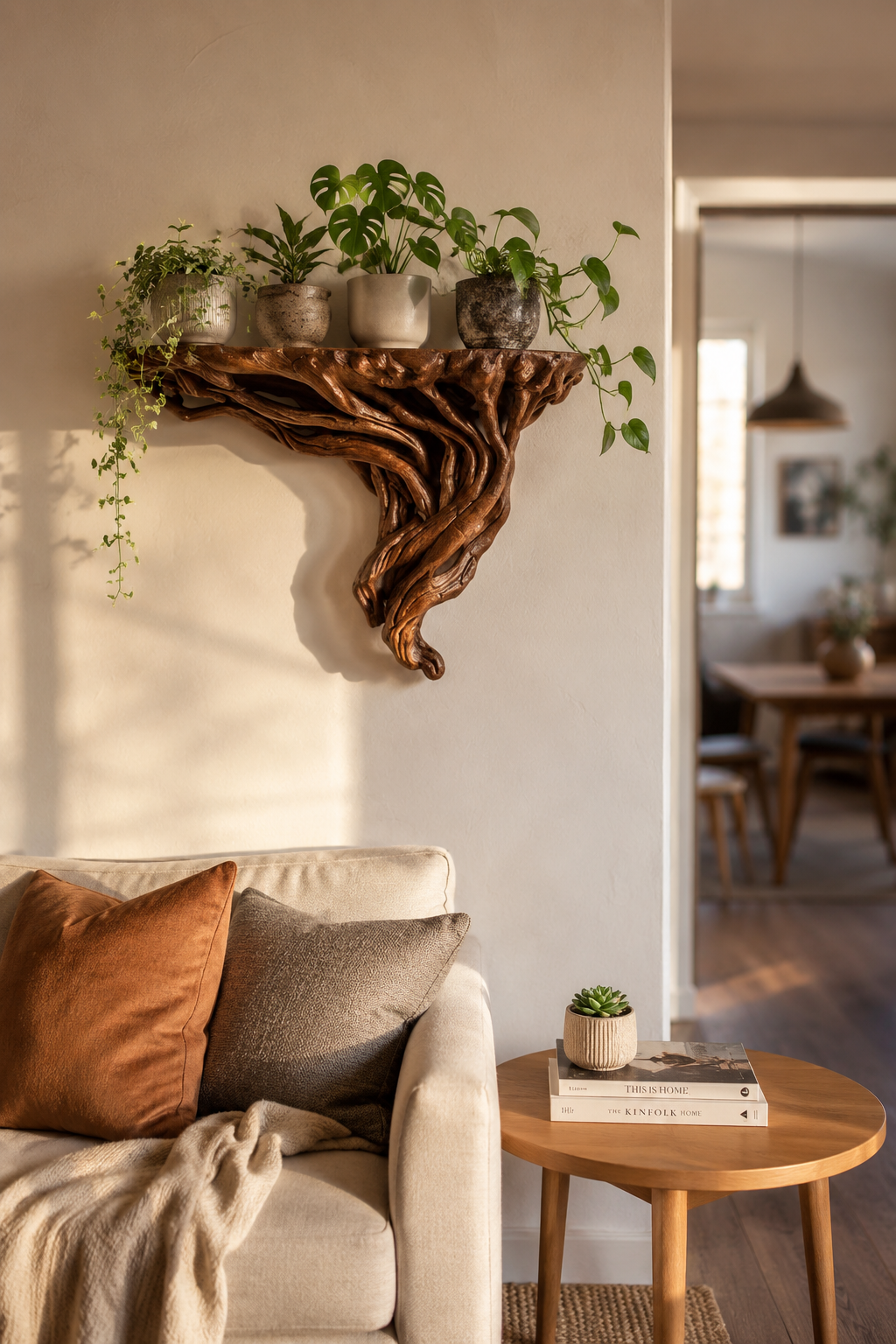
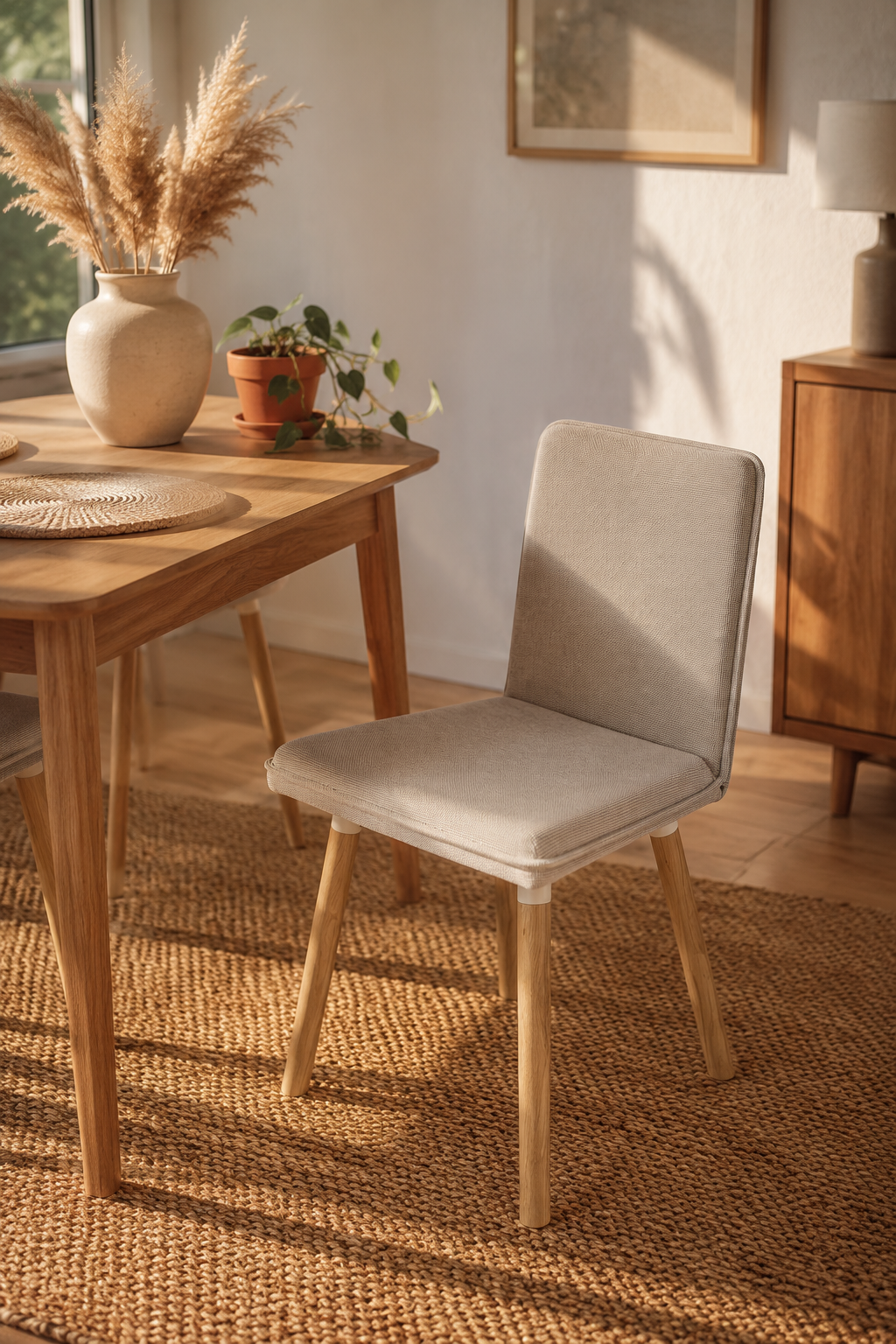
Home accessories are where a room can become personal, but they are also where it can become visually expensive without becoming better. This archive is for the finishing layer: shelves, mirrors, trays, vases, frames, plants, candles, and small objects that change the way a room reads without pretending to be the main event.
The useful question is not whether an accessory is pretty in isolation. It is what job it has in the room. A mirror may bounce light or correct an empty vertical plane. A tray may gather loose objects so a table feels edited. A vase may add height where every other surface is low. Shelves may solve display, storage, or architecture, but rarely all three at once.
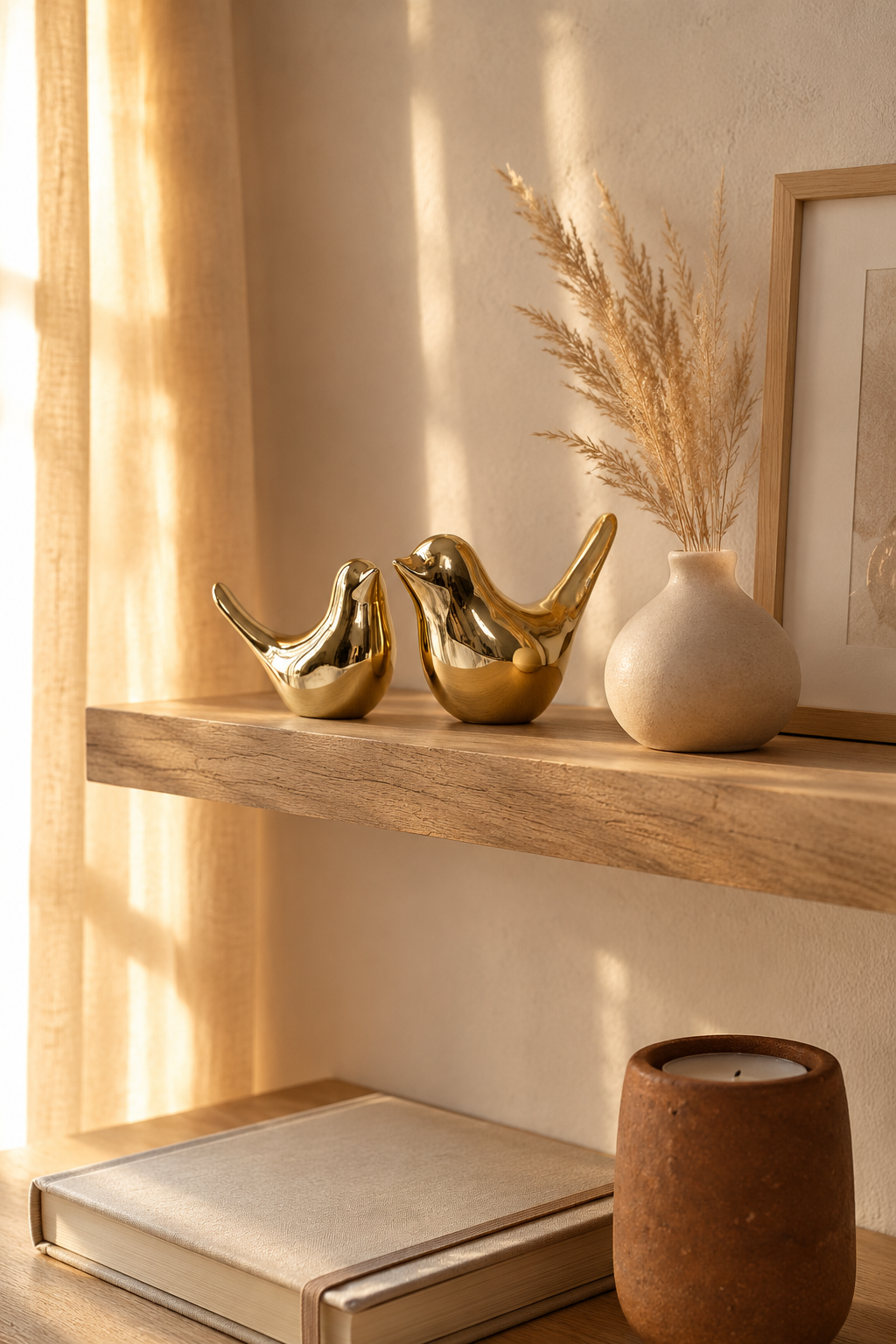
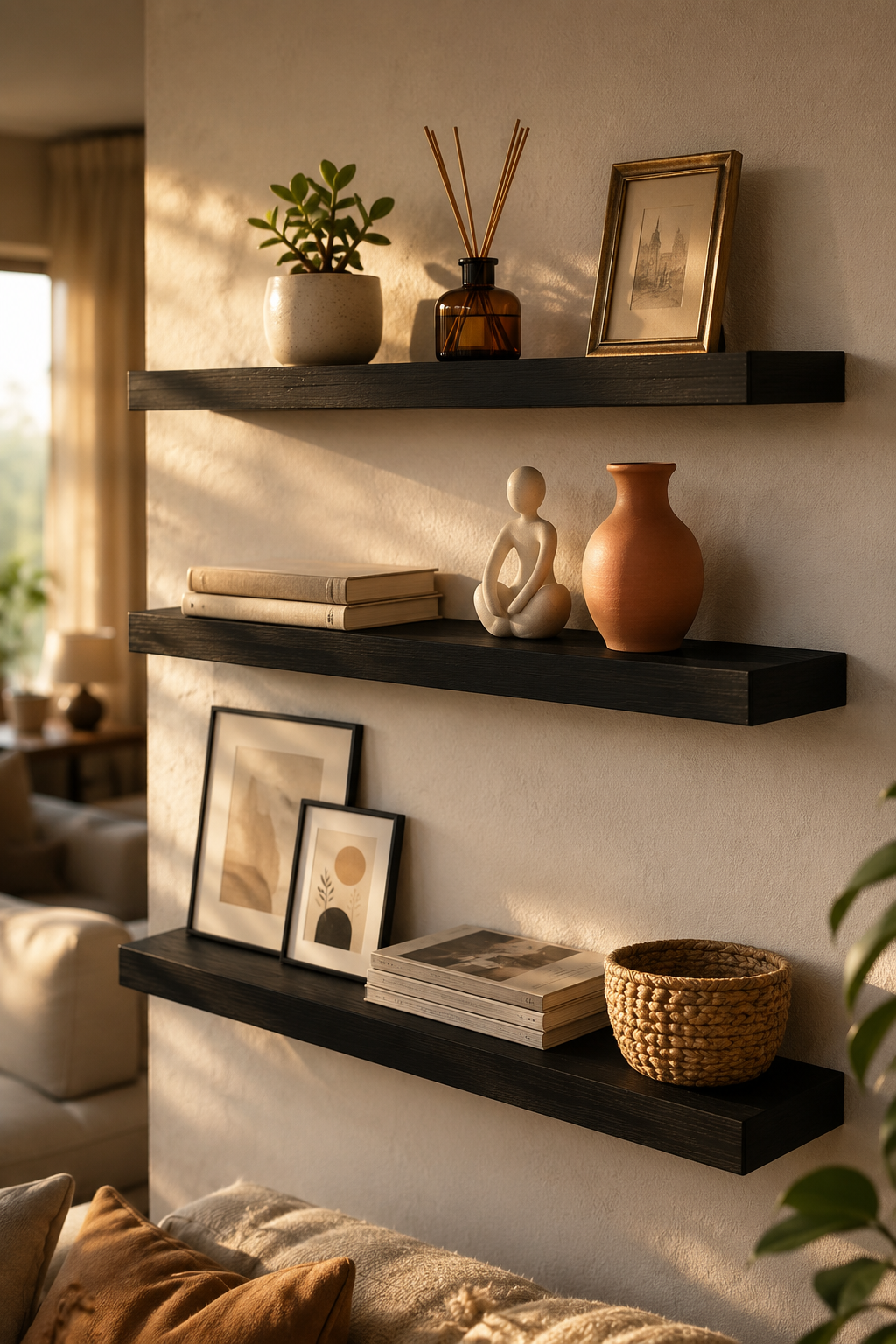
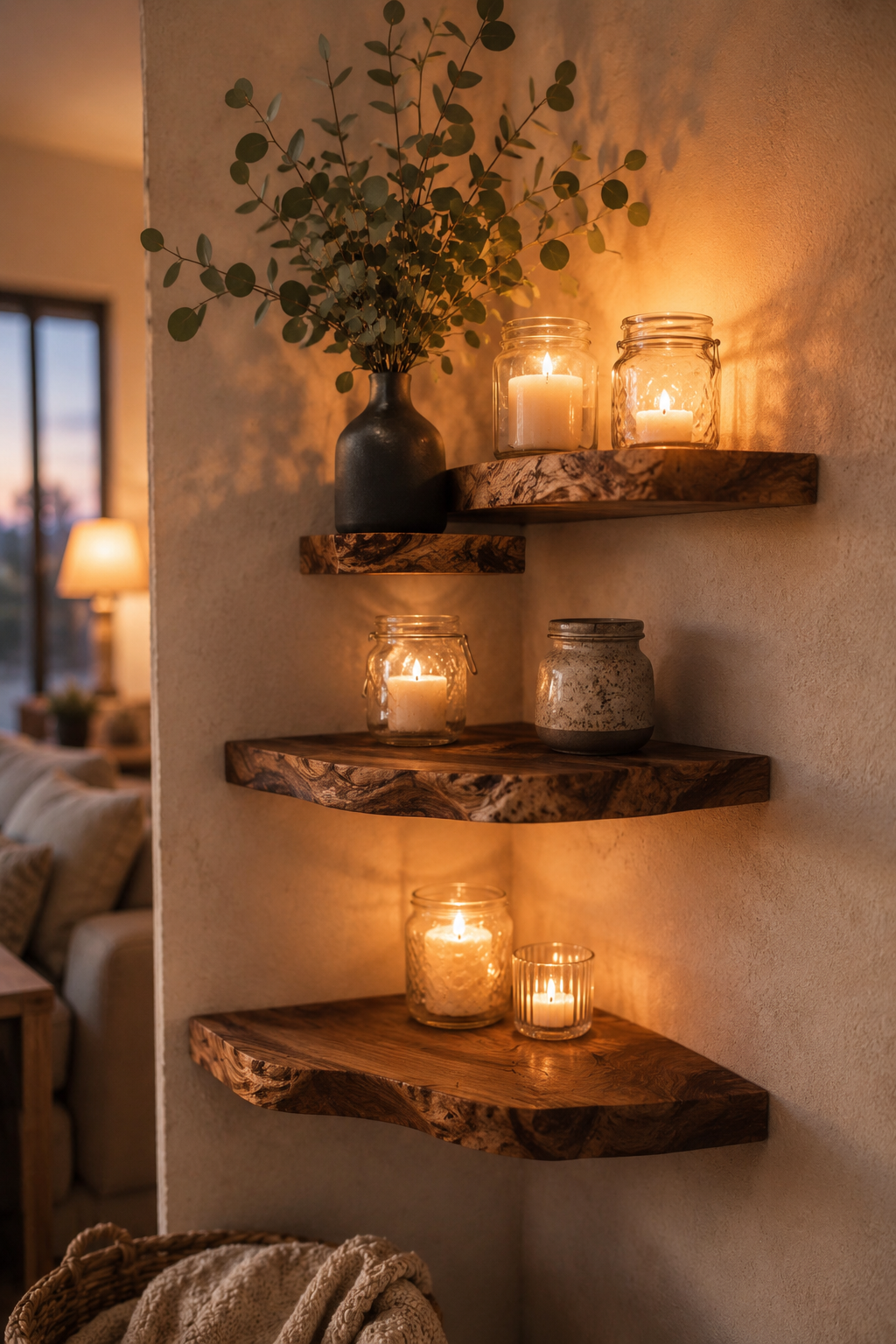
We judge accessories by scale, material, repetition, and maintenance. Small objects usually need grouping or breathing room; natural wood needs a reason to sit beside other woods; ceramics need enough contrast to avoid disappearing; open shelves need fewer pieces than the product photo suggests. The right accessory should make the existing room clearer, not require the rest of the room to justify it.
Scale is the mistake we see most often. Tiny frames vanish above a long sofa, a narrow tray looks nervous on a wide coffee table, and three small vases can make a shelf feel busier than one substantial piece. When an accessory looks wrong, the solution is often fewer, larger, better-spaced objects rather than a new color palette.
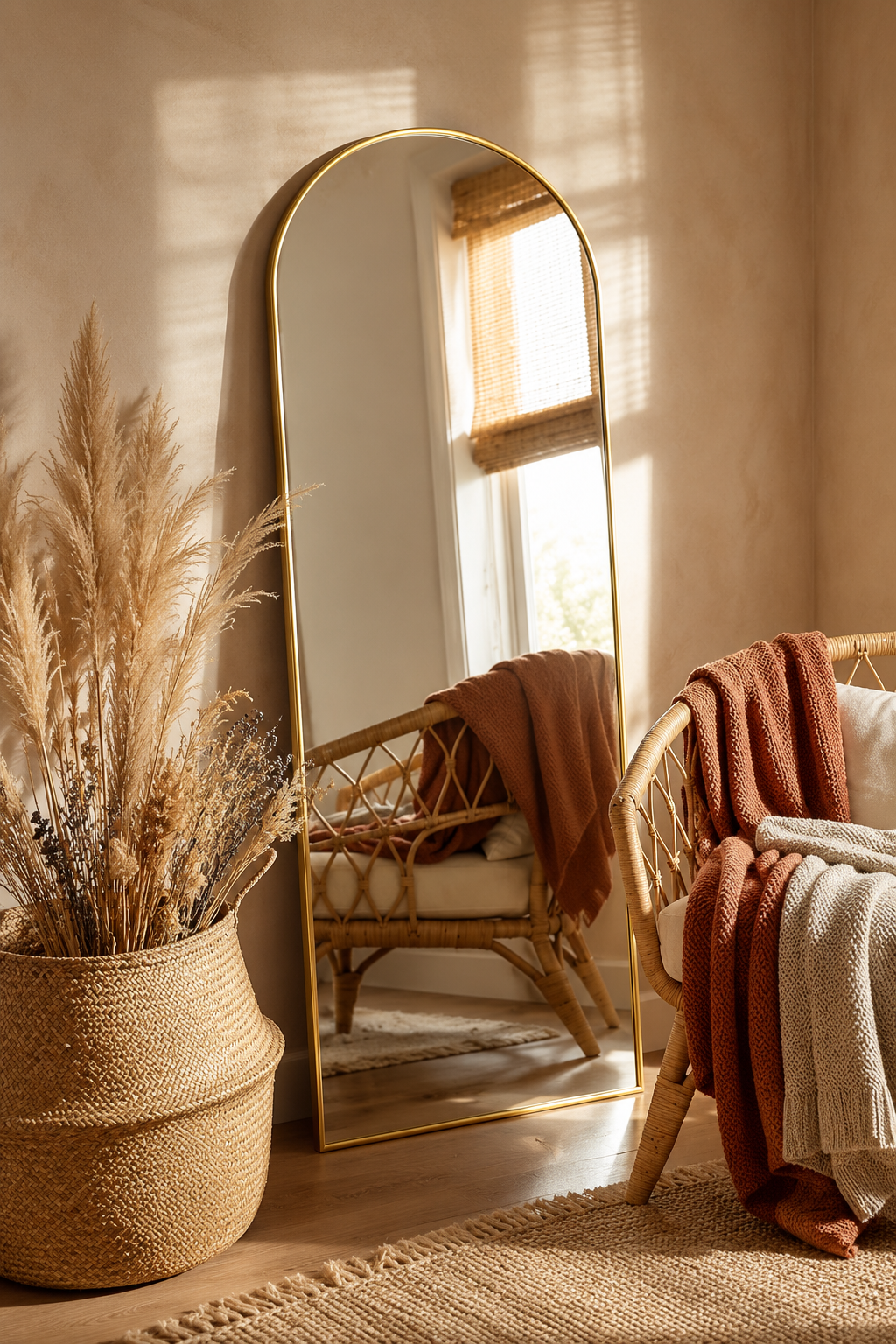
Material matters because accessories sit close to the eye and hand. A wood shelf with visible grain can warm a plain wall, but too many unrelated woods make the room feel accidental. A ceramic vase can break up fabric and upholstery, but it needs enough height or silhouette to justify the space it occupies. Mirrors are practical only when they reflect something worth doubling: daylight, artwork, a doorway view, or a quiet wall.
Use the guides below when a room feels unfinished but a full redesign would be wasteful. Start with the blankest wall, the lowest-contrast surface, or the clutter point you keep tidying. Then choose one accessory type that solves that specific issue before adding another decorative layer.
We keep the archive product-aware without turning it into a product dump. If an exact item appears, it should match the room problem in the surrounding article: a shelf for shelf styling, a tray for table organization, a mirror for light and scale, a frame for wall rhythm. Substitutions should preserve the same job, not just the same aesthetic label.