3 Ceramic Vase Decor Ideas for Neutral Shelf Styling | Modern Farmhouse
Style ceramic vase decor with soft sage, cream, and terracotta tones for a calm shelf or coffee table. Use these modern farmhouse home accents for Easy neutral decor. Click to shop the look on Amazon.
When tackling a living room refresh, the surfaces we tend to struggle with most are the open shelves and coffee tables. These flat, horizontal expanses demand styling that is both visually engaging and intentionally restrained. In my nine years of styling residential spaces, I have consistently found that incorporating ceramic vase decor is the most effective way to solve this design challenge. It brings organic shapes, tactile finishes, and subtle color into a room without introducing unnecessary clutter. Whether you are working with a wide-open built-in bookcase or a compact floating shelf, a carefully chosen set of ceramic vessels can transform the atmosphere of the entire space.
A well-styled shelf is not about cramming objects into every available inch; it is about establishing a rhythm. The straight, rigid lines of a wooden shelf or a metal frame need to be softened. The soft curvature and earthy presence of modern farmhouse ceramics provide exactly this type of visual relief. Below, I will outline three distinct ceramic vase decor ideas that perfectly capture the essence of neutral shelf styling, ensuring your home feels calm, curated, and effortlessly put together.
Idea 1: Mastering the Rule of Three with Varying Heights
The golden rule of interior styling—the rule of three—dictates that objects arranged in odd numbers are more appealing, memorable, and effective than even-numbered groupings. This principle is especially vital when arranging ceramic vase decor on a focal shelf. A symmetrical pair of identical vases can look overly formal or rigid, resembling a showroom rather than a lived-in home. However, when you introduce a third vase into the composition, the arrangement instantly feels more dynamic and relaxed.
When grouping three vases, varying their heights is non-negotiable. If you place three 8-inch vases in a row, they simply create a visual block that mimics the flat line of the shelf itself. Instead, aim for a staggered height distribution. For instance, start with an anchor piece that is 10 to 12 inches tall. Beside it, place a medium-sized vase measuring roughly 7 to 8 inches in height, and complete the trio with a smaller vessel or a wide, low bowl measuring 4 to 5 inches tall. This staggering creates a triangular visual flow that guides the eye naturally across the arrangement.
Furthermore, do not line them up shoulder-to-shoulder like soldiers. To build depth on a standard 10-inch deep floating shelf, position the tallest vase slightly toward the back corner. Pull the medium vase slightly forward and overlap it just a fraction in front of the tall one. Place the smallest piece in the foreground, perhaps nesting it slightly into the curve of the others. This overlapping technique is what separates amateur displays from professional styling, bringing three distinct objects together into a single, cohesive focal point.
Idea 2: Integrating Soft Earth Tones
While pure white and stark black have their place in ultra-contemporary design, modern farmhouse aesthetics thrive on warmth. If your room features heavy wooden furniture or crisp white walls, relying solely on white ceramics can leave the space feeling cold or overly sterile. This is where integrating soft earth tones becomes essential for effective neutral shelf styling.
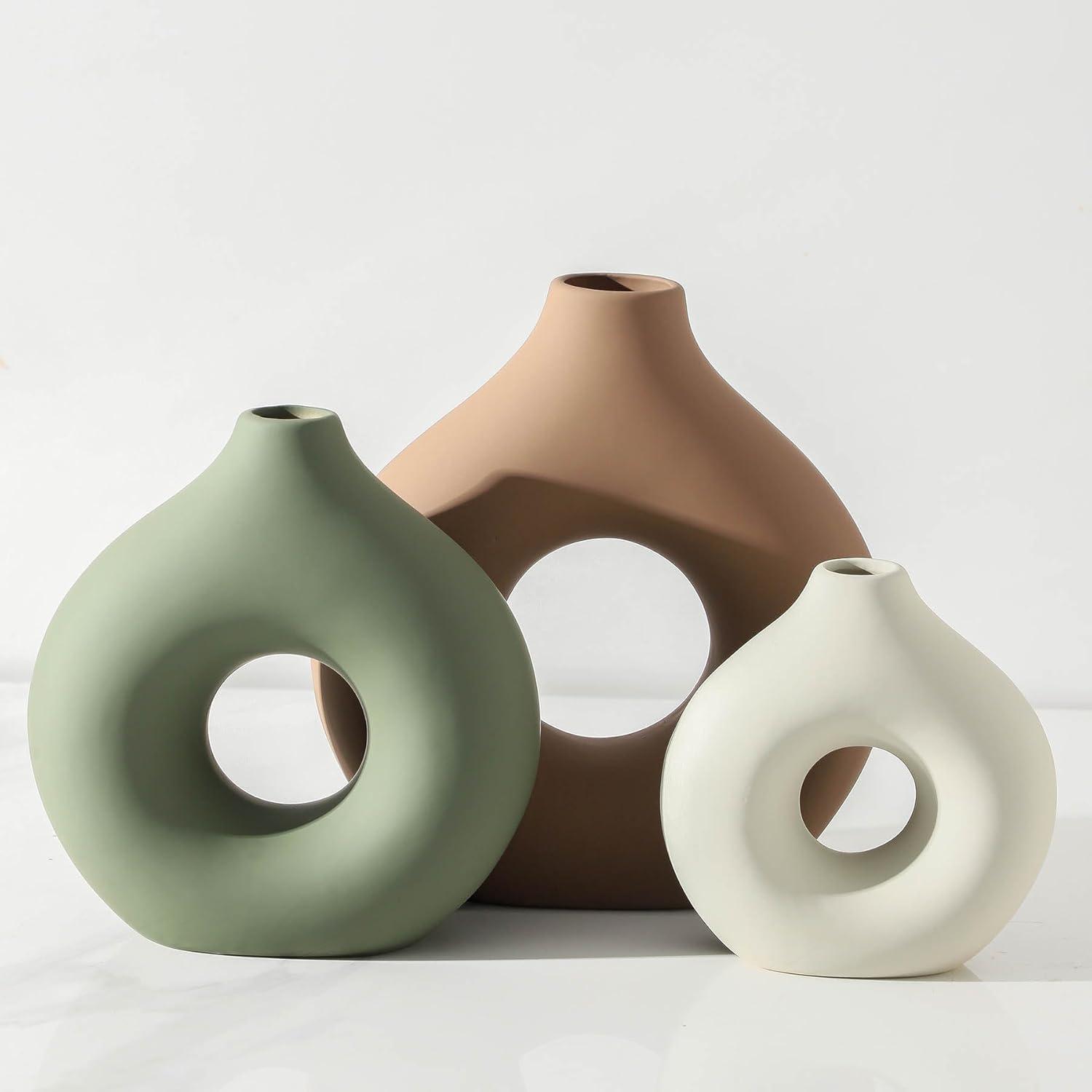
Consider bringing in hues that mirror the natural landscape. A soft sage green vase introduces a gentle hint of color that acts almost as a neutral itself, effortlessly bridging the gap between indoor and outdoor elements. Pairing it with a muted terracotta brown and a warm, creamy oatmeal tone creates a palette that feels rich and grounded without demanding overwhelming attention. These colors absorb light beautifully, especially when rendered in a matte or unglazed ceramic finish.
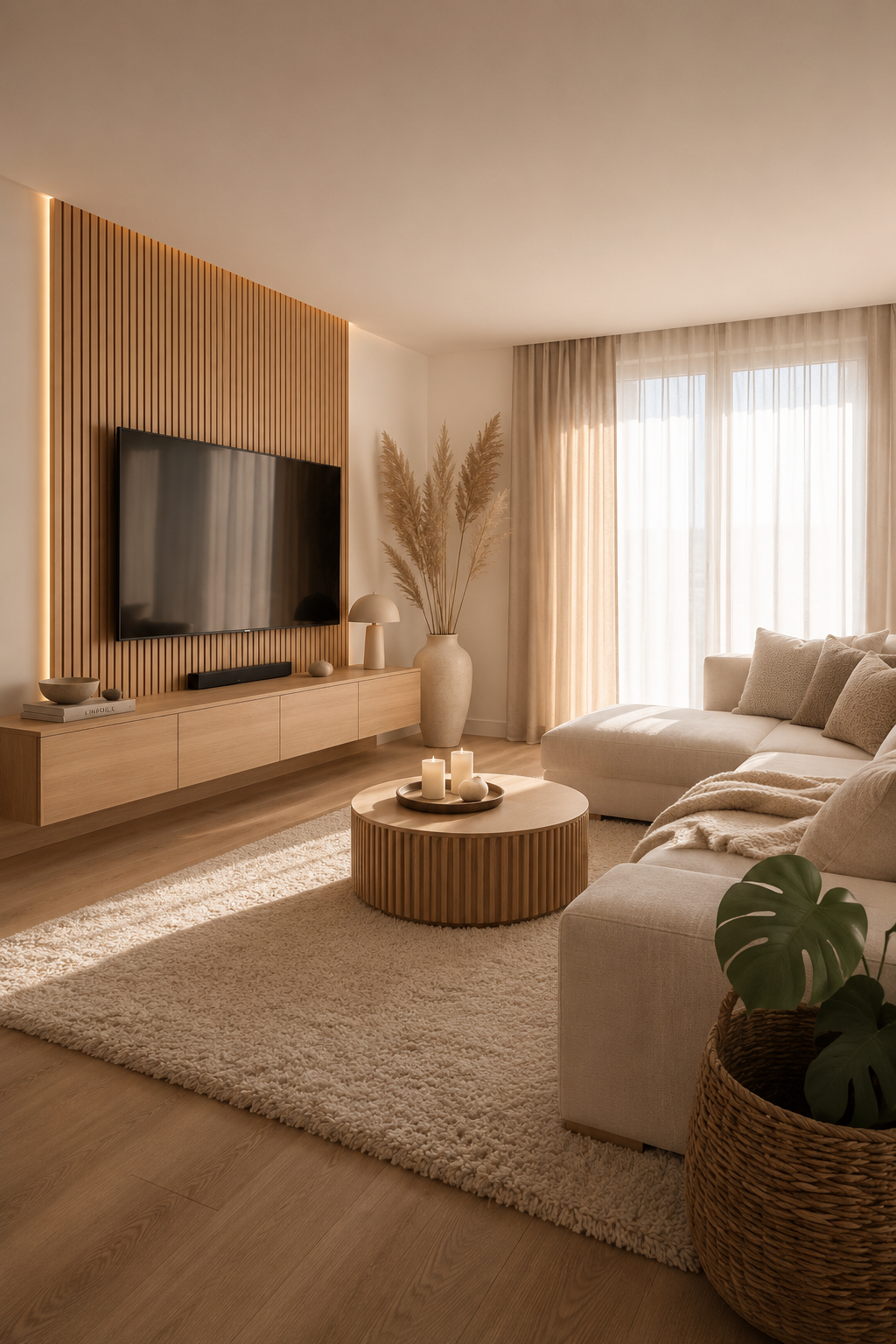
When light washes over these earth-toned vessels, it creates soft, gradient shadows that emphasize the curvature of the clay. This is a stark contrast to high-gloss glazes, which tend to reflect light harshly and can sometimes look inexpensive. By sticking to these muted, nature-inspired tones, you ensure that your ceramic vase decor harmonizes with other natural materials in the room, such as rustic tree root floating wall shelves or woven jute baskets.
If you are looking for an effortless way to implement this color strategy, investing in a curated set takes the guesswork out of color matching. The set featured below combines sage, cream, and terracotta perfectly, providing an instant foundation for your shelf display.
3 Ceramic Vase Decor Ideas for Neutral Shelf Styling | Modern Farmhouse
Style ceramic vase decor with soft sage, cream, and terracotta tones for a calm shelf or coffee table. Use these modern farmhouse home accents for Easy neutral decor. Click to shop the look on Amazon.
Neutral decor relies heavily on texture to prevent the space from feeling flat. When you eliminate bold, saturated colors from your design scheme, the tactile qualities of your objects must step up to provide interest. A shelf styled entirely with smooth, flat surfaces will ultimately look uninspired. To elevate your ceramic vase decor, you must mix and contrast textures intentionally.
Start with the vases themselves. Look for pieces that feature a porous, unglazed finish, ribbed detailing, or subtle speckling in the clay. These slight imperfections add character and make the pieces feel handcrafted. Once you have established your ceramic base, introduce contrasting materials into the immediate vicinity. For example, leaning a framed canvas or an arched full length mirror behind the vases adds a flat, structured backdrop that highlights the vases' curves.
You can also introduce texture through the surface the vases rest on. Placing a small, woven rattan tray or a slice of raw wood beneath your ceramic trio instantly elevates the arrangement, grounding the pieces and separating them from the flat plane of the shelf. The rough, organic texture of the wood or rattan contrasts beautifully with the smooth, cool surface of the ceramic, creating a rich, layered aesthetic.
Proportions and Clearances for Shelf Decor
A critical aspect of shelf styling that is frequently overlooked is the mathematics of proportion. A beautifully designed vase will look completely out of place if it is fundamentally the wrong scale for the shelf it sits on. Before purchasing any decor, measure both the depth of your shelf and the vertical clearance between shelves.
For a standard bookcase with 13 inches of vertical clearance between shelves, your tallest vase should not exceed 9 to 10 inches in height. Leaving 3 to 4 inches of negative space (often called "breathing room") above the tallest object is crucial. If the rim of the vase nearly touches the shelf above it, the arrangement will look cramped and claustrophobic.
Depth is equally important. Most floating shelves are between 8 and 10 inches deep. If you select a vase with a 7-inch diameter base, it will consume almost the entire depth of the shelf, leaving no room for the overlapping technique discussed earlier. Instead, opt for vases with narrower bases—around 3 to 4 inches in diameter—or those with slim, oval profiles. This allows you to comfortably layer objects without pushing anything dangerously close to the front edge.
Strategic Botanical Pairings
One of the most liberating realizations in modern decor is that a vase does not always need to hold flowers. In fact, an empty, sculptural vase often makes a stronger design statement than one stuffed with a generic bouquet. Leaving your ceramic vase decor empty allows the viewer to focus entirely on the silhouette and texture of the object itself.
When you do choose to add botanicals, exercise restraint. Modern farmhouse styling leans heavily into dried, textural elements rather than lush, colorful blooms. A single, sweeping branch of dried eucalyptus, a textured bunny tail grass, or a tall, feathery plume of pampas grass is usually all that is required. These dried elements require absolutely zero maintenance, will not wilt, and add a beautiful, architectural line that draws the eye upward.
If your vase arrangement includes three vessels, never fill all three. Place a single, dramatic branch in the tallest vase, and leave the other two completely empty. This asymmetry feels intentional and modern. If you prefer fresh greenery, consider a single olive branch or a leafy, trailing stem that can gently drape over the side of the medium-sized vase, adding a touch of vibrant, living color to the neutral grouping.
Maintenance and Care for Matte Finishes
The very trait that makes matte ceramic vase decor so appealing—its raw, unglazed texture—also means it requires a specific approach to cleaning. Unlike glossy porcelain, which repels water and dust easily, matte clay is porous and can hold onto natural oils from your hands or ambient dust from the room.
For routine maintenance, a dry microfiber cloth is your best defense. It gently lifts dust from the surface without grinding it into the microscopic pores of the ceramic. If the vase features deep ribs or a donut-style hollow that is difficult to reach with a cloth, a clean, dry, soft-bristled paintbrush works wonders for flicking away dust in tight crevices.
If you encounter smudges or light stains, avoid using harsh chemical sprays, soapy water, or abrasive scrubbing pads. Instead, lightly dampen a clean cloth with distilled water and gently dab—do not scrub—the affected area. Vigorous rubbing can permanently burnish the clay, smoothing down its natural texture and leaving behind an unwanted shiny spot that ruins the matte aesthetic. If you choose to use your vases for fresh floral arrangements, ensure the interior is glazed (or use a plastic liner) to prevent water from seeping through the porous clay and potentially leaving water rings on your wooden shelves or coffee tables. By treating these pieces with deliberate care, their sculptural beauty will remain a cornerstone of your living room decor for years.
FAQ
How do I group ceramic vases on a small shelf?
Group vases in odd numbers, like sets of three, varying their heights and textures. Place the tallest vase slightly off-center to create an anchor, then layer the medium and small vases slightly in front to build depth.
What colors work best for neutral modern farmhouse decor?
Stick to soft earth tones like sage green, terracotta, warm cream, and muted oatmeal. These colors add subtle warmth and visual interest without overwhelming a minimalist or neutral living room palette.
Should I put flowers in every ceramic vase?
No, you do not need to fill every vase. Leaving one or two vases empty highlights their sculptural shapes, especially if they have an aesthetic or organic design. Use dried stems like pampas grass sparingly to add height.
How do I maintain the matte finish on my ceramic vases?
Dust matte ceramic vases gently with a dry microfiber cloth or a soft brush. For light marks, dab carefully with a slightly damp cloth, but avoid rubbing, as friction can permanently polish the matte surface.