3 Ceramic Vase Decor Ideas for Neutral Shelf Styling | Modern Farmhouse
Style ceramic vase decor with soft sage, cream, and terracotta tones for a calm shelf or coffee table. Use these modern farmhouse home accents for Easy neutral decor. Click to shop the look on Amazon.
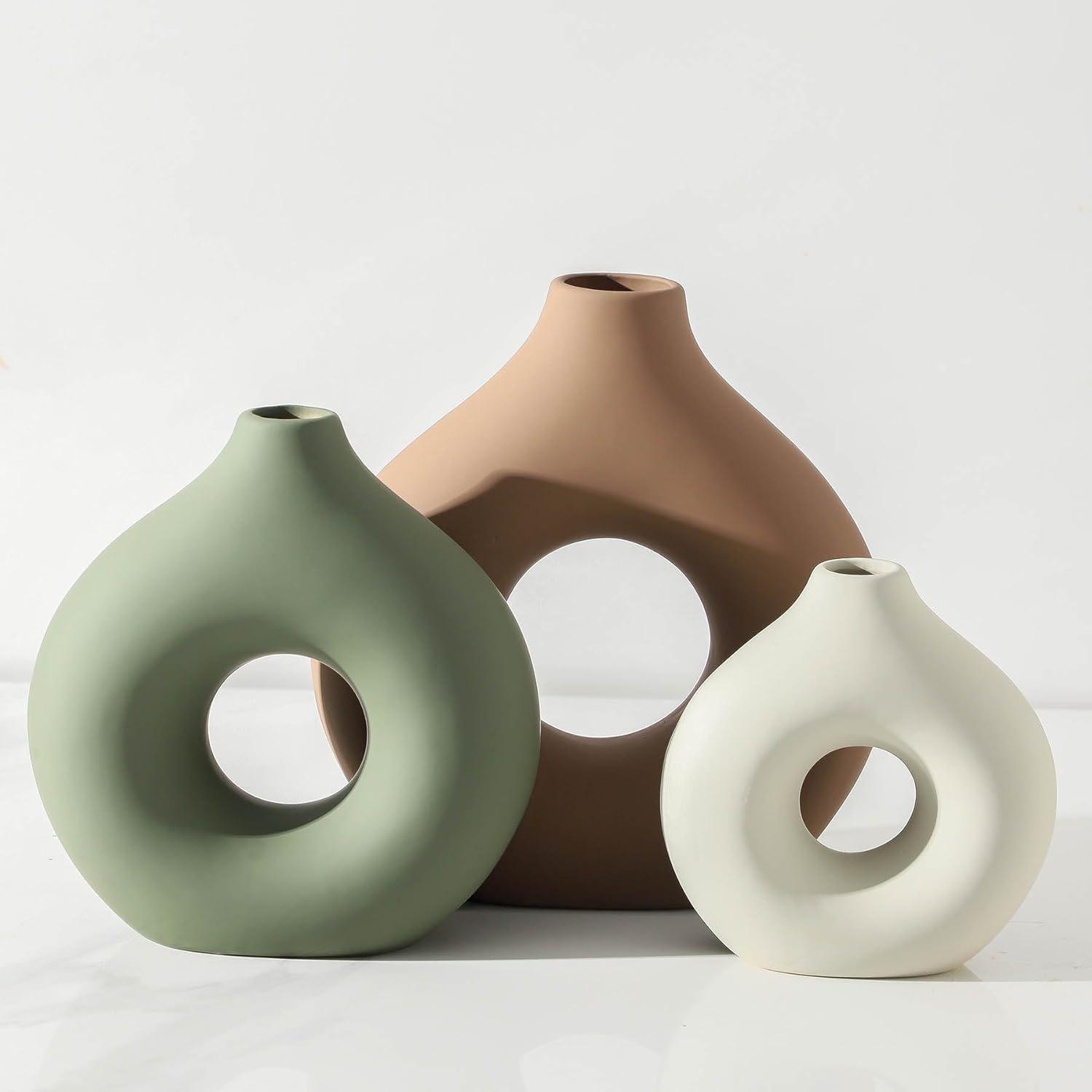
In my years of styling residential spaces, I have found that a modern farmhouse ceramic vase set is often the most effective tool for finishing a difficult room. When a shelf feels too empty or a coffee table lacks dimension, introducing three sculptural vases in earthy tones immediately resolves the visual gap. Rather than filling shelves with a chaotic mix of small trinkets, a cohesive set provides scale, color, and texture in one simple decision.
A modern farmhouse ceramic vase set brings a quiet confidence to neutral shelf styling. By relying on organic forms and grounded colors—such as sage green, terracotta brown, and soft cream—you establish a sophisticated focal point. This approach transforms a purely functional shelf into an intentional display that reflects a calm, collected home environment.
Why a Modern Farmhouse Ceramic Vase Set Works
The enduring appeal of a modern farmhouse ceramic vase set lies in its ability to bridge different design aesthetics. While traditional farmhouse decor can sometimes lean heavily on distressed wood and vintage signage, modern farmhouse styling emphasizes clean lines, intentional minimalism, and natural textures. A three-piece ceramic vase set perfectly encapsulates these principles by offering sculptural interest without unnecessary ornamentation.
When I plan a living room layout for clients, we often encounter the challenge of "dead space" on built-in bookcases or floating shelves. A solitary object rarely has the visual weight to anchor an entire shelf, and a sprawling collection of disparate items can quickly look cluttered. A matched yet varied ceramic vase set strikes the ideal balance. Because the vases share a material and finish but differ slightly in height and silhouette, they read as a unified collection rather than random clutter.
Furthermore, the tactile quality of matte ceramics adds crucial warmth to a room. In spaces dominated by flat drywall, reflective glass, and polished metals, unglazed or subtly textured pottery introduces an essential organic element. The slight imperfections and varied earthy tones of the clay prevent the styling from feeling overly sterile or manufactured, grounding the room in natural beauty.
Styling with Sage, Cream, and Terracotta Tones
Color selection is paramount when curating a calm, neutral living space. The specific combination of sage green, warm cream, and terracotta brown is remarkably effective for modern farmhouse interiors. These colors draw direct inspiration from nature, bringing the subtle hues of a desert landscape or a quiet garden indoors.
Sage green acts as a gentle, muted neutral rather than a loud accent color. It pairs seamlessly with light oak furniture, white walls, and linen upholstery, providing just enough contrast to be noticeable without overwhelming the eye. When a sculptural ceramic vase set incorporates a sage piece, it introduces a subtle coolness that balances warmer tones in the room.
Terracotta brown adds depth and a grounded, rustic quality. This rich, baked-earth color instantly warms up a stark white or cool gray palette. In a three-piece set, the terracotta vase often serves as the anchor, drawing the eye and providing visual weight. Its deep, saturated tone contrasts beautifully with the softer cream and sage components.
Cream, meanwhile, acts as the unifying bridge. A soft cream or oatmeal-colored vase reflects light and prevents the darker tones from feeling too heavy. When styling these three colors together, the varying shades create a natural gradient of light, medium, and dark tones. This built-in contrast ensures that the arrangement has depth and dimension, even on a flat, brightly lit shelf. For more inspiration on incorporating these earthy tones, you can explore our guide on earth-toned palettes.
Placement Strategies for Neutral Shelf Styling
Achieving the effortless look of neutral shelf styling requires deliberate placement. The rule of threes is a foundational principle in interior design for good reason: odd numbers of objects are inherently more dynamic and pleasing to the human eye. When arranging a three-piece ceramic vase set, the goal is to create a cohesive vignette rather than lining the vases up like soldiers on parade.
Start by placing the tallest vase, which is often the cream or terracotta piece, slightly off-center. This establishes your primary anchor point. Next, nestle the medium-height vase slightly in front and to one side, overlapping the silhouette of the tallest piece by just a fraction of an inch. Finally, place the smallest, roundest vase—perhaps the sage green one—on the opposite side, slightly forward. This triangular arrangement forces the eye to move smoothly across the grouping, creating a sense of movement and stability.
Consider the negative space around the vases just as carefully as the vases themselves. A shelf needs breathing room. If you crowd the ceramic vase set with picture frames, books, and trailing plants, the sculptural impact of the vases will be lost. Give the set at least 15 to 20 inches of clear space on either side. If you must add other elements to the same display area, check out our tips on arranging floating wall shelves for ideas on balancing contrasting objects.
If you are styling a coffee table or a dining room console rather than a wall shelf, the same principles apply. However, on a low surface, you must consider how the vases look from above. Ensure the grouping feels balanced from all angles, and avoid placing them perfectly parallel to the edge of the table.
Balancing Scale and Proportion on Your Shelves
One of the most common mistakes I see in DIY shelf styling is a mismatch in scale. A beautiful ceramic vase set will look insignificant if placed on a massive, heavy bookshelf with 18-inch clearance between shelves. Conversely, oversized vases on a delicate floating shelf will feel precarious and visually overwhelming.
To get the proportions right, measure your shelf height before selecting your decor. Ideally, the tallest vase in your set should fill approximately two-thirds to three-quarters of the vertical space between shelves. For example, if you have 15 inches of vertical clearance, look for a set where the tallest vase is between 10 and 11 inches high. This leaves 4 to 5 inches of breathing room above the piece, ensuring it looks intentional rather than crammed into the space.
The width of the vases also matters. A set of three extremely slender, bottleneck vases might lack the visual presence needed to anchor a wide console table. In that scenario, look for vases with wider, more substantial bases or distinct geometric profiles. The combination of a tall cylinder, a stout sphere, and an angular jug creates a much more robust visual footprint than three identical cylinders of varying heights.
If your existing vases feel slightly too small for their location, you can elevate them using a riser. A thin slab of travertine, a simple wooden pedestal, or a stack of neutral linen-bound books can add the necessary 2 to 3 inches of height to correct the proportions. This layering technique also adds a new texture to the vignette, enhancing the overall depth of the neutral shelf styling.
If you are struggling to find the right anchor pieces for your neutral shelving, a curated set of earthy, textural pottery is an excellent starting point.
3 Ceramic Vase Decor Ideas for Neutral Shelf Styling | Modern Farmhouse
Style ceramic vase decor with soft sage, cream, and terracotta tones for a calm shelf or coffee table. Use these modern farmhouse home accents for Easy neutral decor. Click to shop the look on Amazon.
Part of the appeal of this ceramic vase set is its low-maintenance nature, but proper care is still required to keep the matte finishes looking pristine. Unlike high-gloss glazed pottery, unglazed or matte ceramics have a porous surface that can easily hold onto dust, oils, and moisture.
For routine cleaning, avoid using wet cloths or liquid chemical cleaners. Instead, use a dry, soft-bristled brush—such as a clean makeup brush or a high-quality dusting brush—to gently sweep dust out of the textured surfaces and crevices. If you must remove a smudge, use a slightly damp microfiber cloth and dab the area gently; do not rub, as this can polish the matte finish and leave a permanent shiny spot.
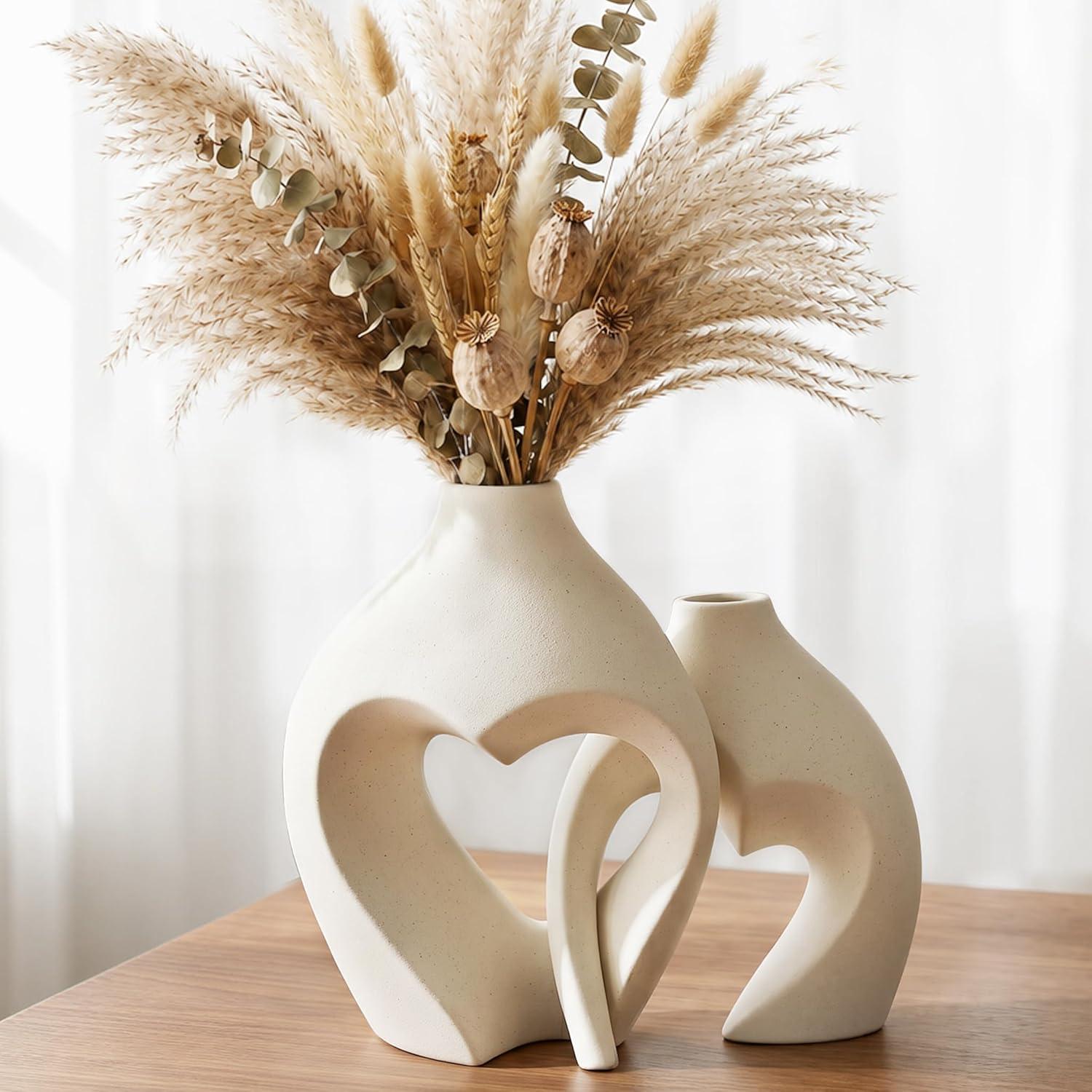
If you plan to use your ceramic vases for fresh flowers, proceed with caution. Many matte or unglazed vases are not entirely watertight and can slowly seep moisture, potentially damaging wooden shelves or tabletops underneath. Always insert a hidden glass or plastic liner—such as a recycled jar or a simple water glass—inside the ceramic vessel to hold the water and stems safely. When the vases are not holding active blooms, they stand perfectly well on their own as architectural home accents.
Frequently Asked Questions
How do I arrange a modern farmhouse ceramic vase set on a small shelf?
Group the vases in a triangle formation, placing the tallest piece in the back or slightly off-center. Keep the smaller terracotta or sage vases in front to build depth without crowding the shelf. Overlapping their silhouettes slightly makes them read as a single, cohesive unit.
Should I always put flowers or stems in my ceramic vases?
No, a curated ceramic vase set often looks best empty. The sculptural shapes and matte finishes stand on their own as art. If you prefer botanicals, add one or two dried pampas stems or eucalyptus branches to a single vase rather than filling all three, which can look cluttered.
What colors work best with sage green and terracotta brown decor?
Warm neutrals like cream, oatmeal, and soft beige complement sage green and terracotta brown perfectly. These tones ground the earthy colors while maintaining a light, airy modern farmhouse aesthetic. Avoid stark, cool whites, which can clash with the warm, baked undertones of terracotta.
How do I clean unglazed or matte ceramic vases?
Dust matte ceramic surfaces weekly using a dry microfiber cloth or a soft-bristled brush. Avoid soaking unglazed ceramics in water, as they can absorb moisture and develop water spots. If you need to remove a smudge, dab it gently with a barely damp cloth rather than rubbing.