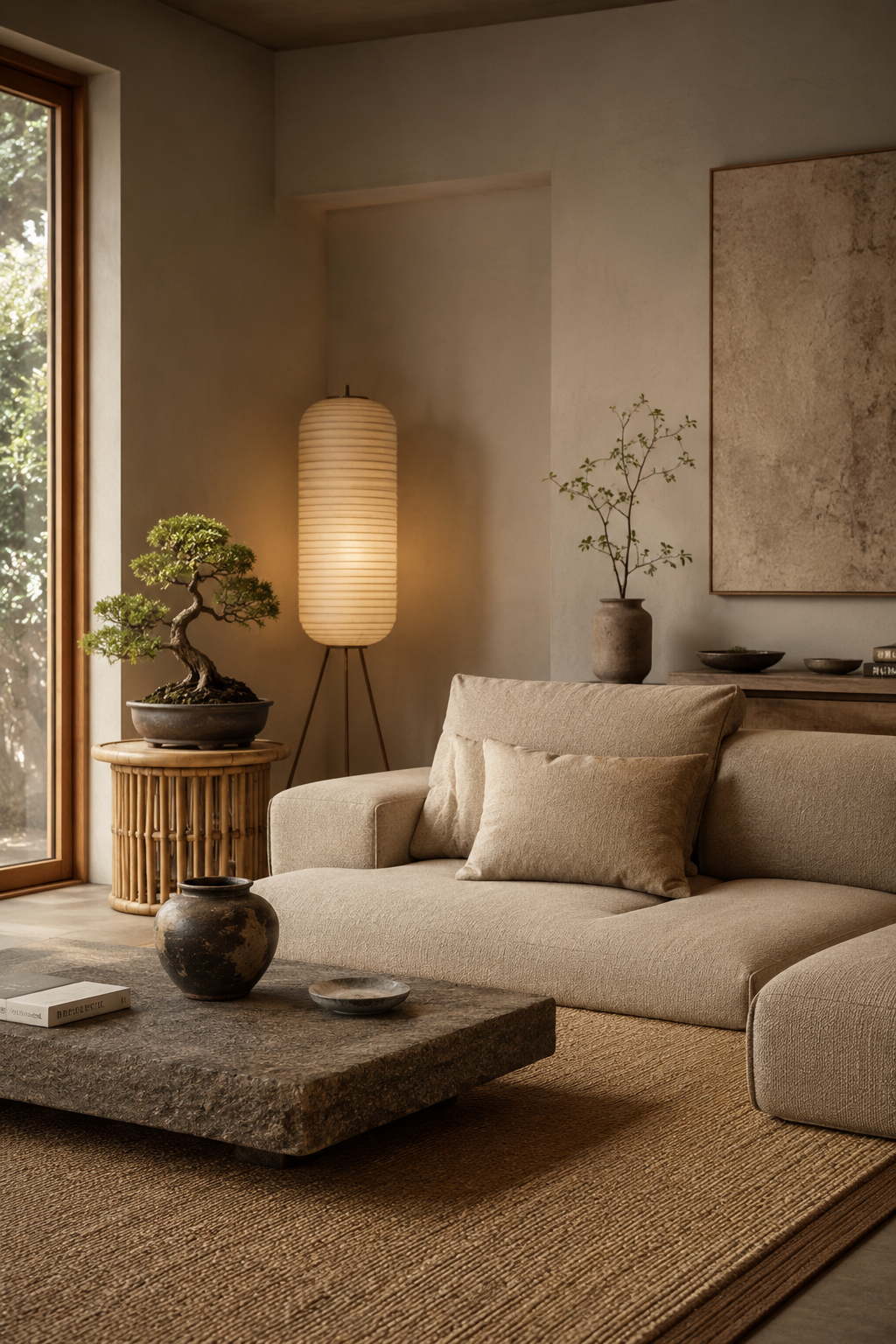
Featured in this article
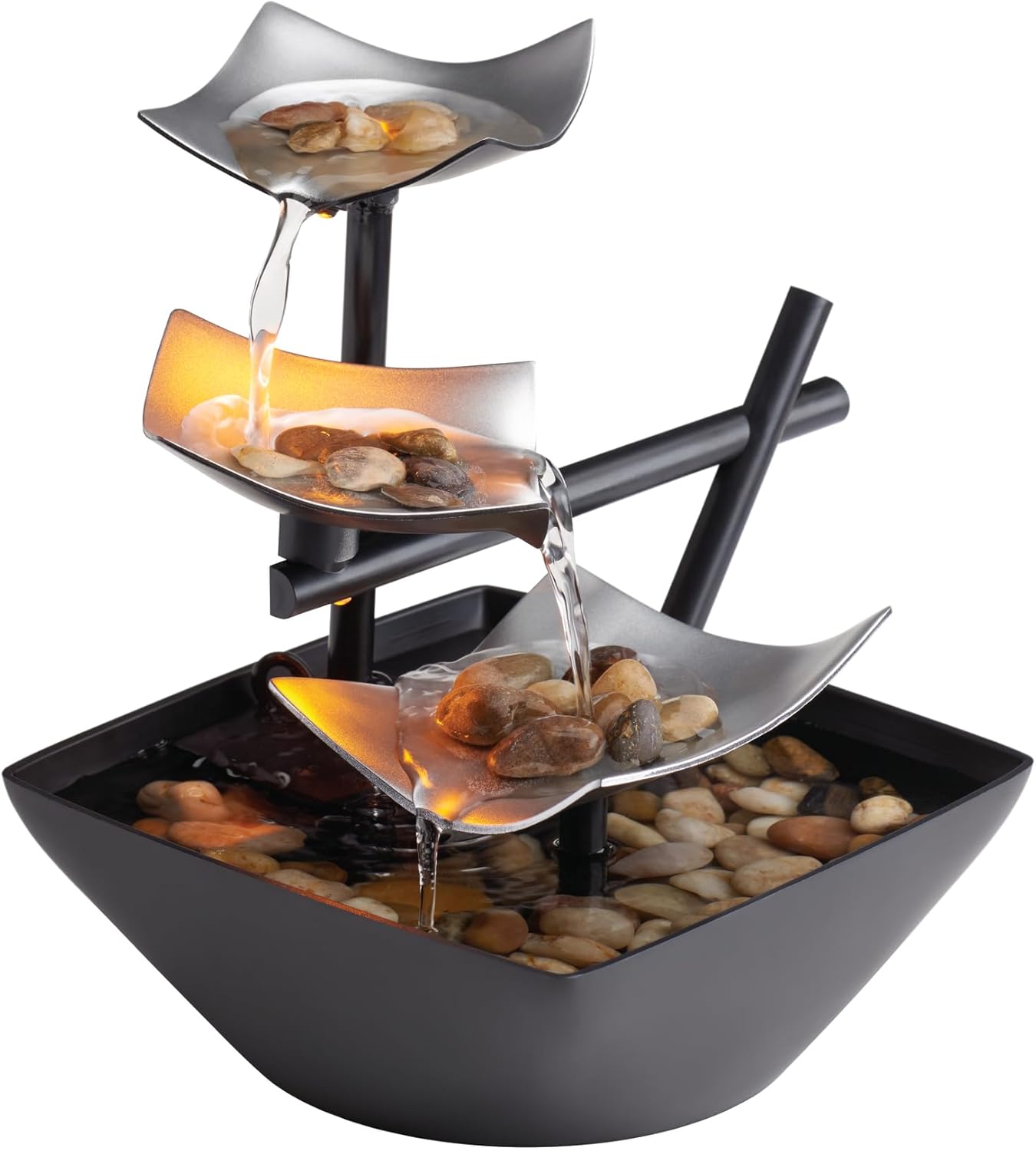
Tabletop Water Fountain Decor for Calm Minimalist Rooms
Create a peaceful tabletop water fountain moment for your bedroom, office, or living room. Add indoor zen decor to small spaces with soft lighting and neutral accents.
Home Decor · Interior Inspiration · Style Guides
Create a peaceful tabletop water fountain moment for your bedroom or living room. Add indoor zen decor to small spaces with soft lighting.
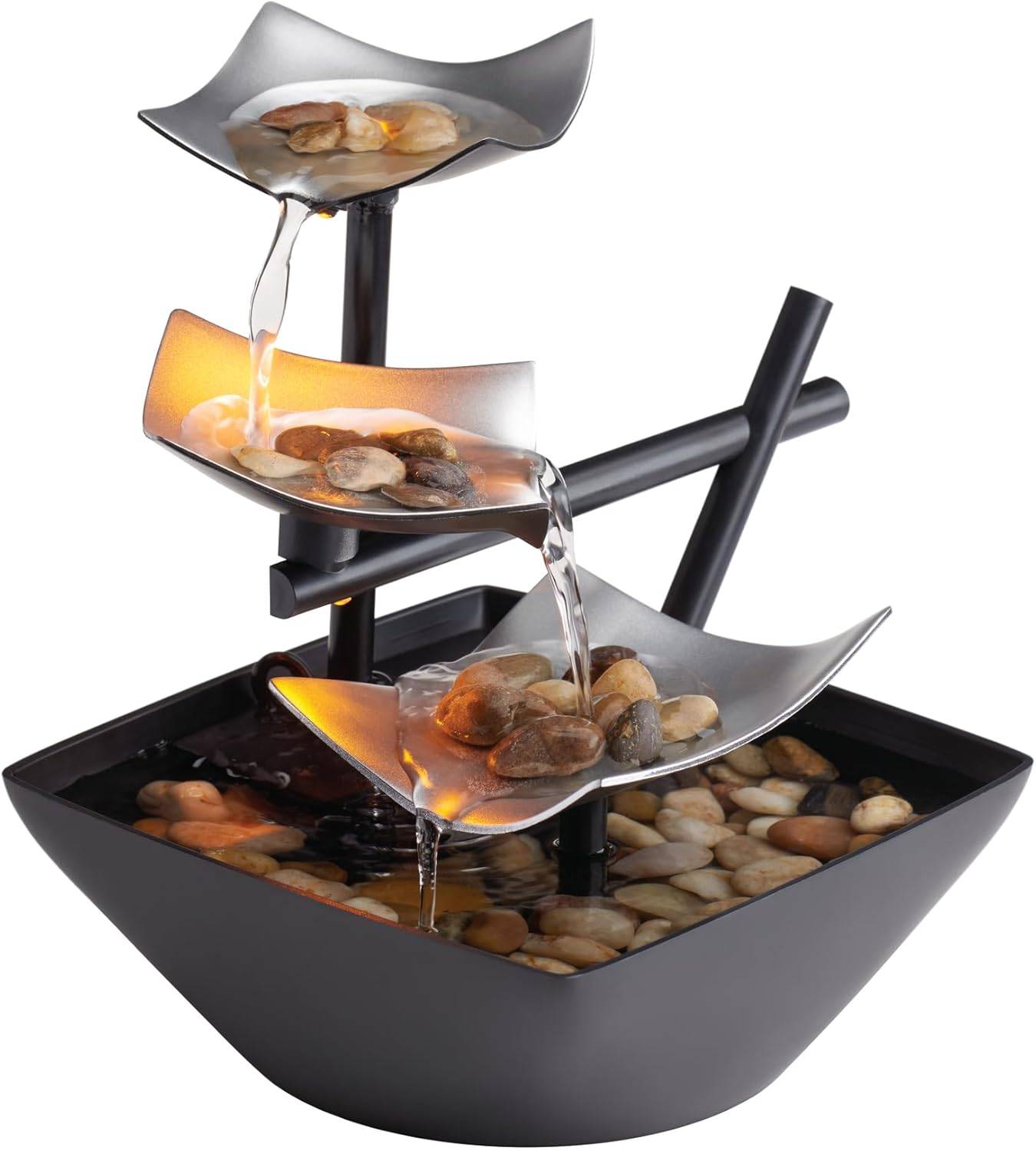
Create a peaceful tabletop water fountain moment for your bedroom, office, or living room. Add indoor zen decor to small spaces with soft lighting and neutral accents.
Integrating tabletop water fountain decor into your home is one of the most effective ways to introduce movement and tranquility to a static space. Whether you are working with a spacious open-concept living area or navigating the constraints of a studio apartment, the gentle sound of flowing water fundamentally shifts the atmosphere of the room. It creates a subtle, persistent background noise that masks harsh street sounds while establishing a focal point that is inherently relaxing.
In my nine years of styling residential bathrooms, kitchens, and living spaces, I have consistently noticed that rooms often feel "finished" not when every corner is filled, but when the sensory experience is balanced. Sight and touch are usually addressed through furniture and textiles, but sound is frequently neglected. A small indoor fountain solves this sensory gap without requiring structural changes or major investments.
When we discuss minimalist design, the conversation often circles around reducing visual clutter. However, true minimalism is about keeping only what serves a purpose, and sensory engagement is a highly functional purpose. A room that is visually quiet can sometimes feel sterile or uninviting if it lacks movement. A water feature brings life into the environment, acting as a dynamic piece of art that changes subtly from day to day as the water flow and lighting interact.
The soft trickle of water works as a natural white noise generator. In a busy urban environment, this steady acoustic layer helps obscure the unpredictable, jarring noises of traffic or neighbors, replacing them with a rhythm that signals the brain to relax. It bridges the gap between the chaotic outside world and the calm sanctuary of your interior space.
Not all fountains belong on every surface. To prevent your water feature from looking like an afterthought, proportion is paramount. A fountain that is too large will dominate a delicate side table, while one that is too small will look like a misplaced trinket on a massive dining surface.
When selecting tabletop water fountain decor, look for dimensions that allow the piece to command its own zone without overwhelming the surface. A footprint of approximately 20 to 25 cm in width and depth is incredibly versatile. This size is substantial enough to hold a decent volume of water—usually around 1.5 to 2 liters—which means the pump remains fully submerged and operates quietly. It is also compact enough to sit comfortably on a standard 40 cm deep console table while leaving 15 cm of clearance for other functional items like a dish for keys or a small stack of books.
You must also consider the vertical height. A fountain that stands 25 to 30 cm tall naturally bridges the visual gap between the flat tabletop and the wall behind it. This prevents the "floating island" effect, where small objects look lost in the vast vertical space of a room.
Styling a fountain requires restraint. Because the water itself is constantly moving, the surrounding objects should be exceptionally still and grounded. Avoid pairing a fountain with highly patterned wallpaper or a cluster of intricate, brightly colored ornaments. The goal is a cohesive, restful vignette.
Start with a solid foundation. If your table is made of glass or high-gloss acrylic, consider placing the fountain on a matte ceramic tray or a slab of honed stone. This not only protects the table surface from accidental splashing during refills but also anchors the fountain visually.
Introduce organic elements to soften the hard edges of the fountain's basin. A small potted plant with trailing leaves, such as a pothos or a string of hearts, placed adjacent to the water feature creates a miniature indoor garden effect. Ensure the plant is in a simple, neutral pot—perhaps raw terracotta or matte black ceramic—so it does not compete with the water for attention. For more guidance on proportion in small environments, review our small living room ideas guide, which details how to balance multiple decorative elements without crowding.
Create a peaceful tabletop water fountain moment for your bedroom, office, or living room. Add indoor zen decor to small spaces with soft lighting and neutral accents.
The placement of the fountain must make logical sense. Do not stick it in a forgotten corner simply because there is an open outlet. Treat the fountain with the same compositional respect you would give a valuable sculpture or a striking piece of art. The fountain should have room to breathe, and its lighting—if it includes an LED glow—should contribute to the room's overall evening ambiance.
Placement dictates performance. For the best acoustic experience, position the fountain against a solid wall rather than in the dead center of an open room. The wall acts as a subtle acoustic reflector, bouncing the soft sound of the water back into the seating area.
If you are incorporating the fountain into a bedroom, place it on a dresser across from the bed rather than directly on the nightstand. The nightstand is often too close to the sleeper's ear, making the sound of the pump more noticeable during the quietest hours of the night. Across the room, the mechanical hum fades entirely, leaving only the organic sound of water cascading over the tiers.
In a kitchen or dining area, a fountain can bring incredible calm to a space normally associated with chaotic prep work. As noted in our principles for a calm kitchen in three decisions, assigning a clear, singular purpose to a decorative element prevents the room from feeling busy. A water feature placed on a deep windowsill or an unused corner of a peninsula can serve as that necessary focal point, drawing the eye away from functional appliances.
The reality of living with indoor water features is that they require consistent maintenance to remain beautiful and functional. Stagnant or dirty water will quickly ruin the calming effect you are trying to achieve, introducing unpleasant odors or visible algae into your pristine room.
Always use distilled water rather than tap water. Tap water contains minerals like calcium and magnesium that will rapidly build up on the surfaces of your fountain, creating a chalky white residue known as scale. This scale is notoriously difficult to remove from textured resin or natural river rocks, and it will eventually clog the internal mechanisms of the pump, leading to premature failure.
Establish a firm routine of checking the water level every three to four days. As water evaporates—especially in dry winter months or in air-conditioned rooms—the water level will drop below the intake valve of the pump. When a pump runs dry, it overheats and burns out quickly. Keeping the reservoir topped up ensures the pump runs smoothly and quietly.
Every two to three weeks, perform a full cleaning. Unplug the fountain, empty the water completely, and wipe down the basin with a soft cloth and a solution of warm water and a few drops of mild dish soap. If your fountain includes decorative river rocks, place them in a colander and rinse them thoroughly under hot water. Use a small, soft-bristled brush (like a dedicated toothbrush) to gently scrub the intake grate of the pump, removing any accumulated dust or pet hair that may have found its way into the water.
Many modern tabletop fountains include integrated LED lighting. This warm glow serves a dual purpose: it highlights the movement of the water, catching the ripples and creating shifting shadows on the adjacent walls, and it acts as a low-level ambient light source for the room.
To maximize this effect, allow the fountain to stand as the primary light source in its specific zone during the evening. Turn off harsh overhead lights and let the soft, undulating glow of the fountain set the tone. If the integrated light is too bright, you can often soften it by carefully repositioning the river rocks over the LED bulb, diffusing the light and creating a warmer, more subtle ambiance.
Ultimately, tabletop water fountain decor is about intentionality. By choosing a design that aligns with your aesthetic, placing it thoughtfully, and committing to its minimal upkeep, you introduce a powerful tool for calm and focus into your daily life. It transforms a static room into a living, breathing space.
The best place is a stable side table or deep windowsill, at least 40 cm away from electronics. Ensure it is accessible for weekly water refills and near an outlet. Avoid placing it on delicate wood surfaces without a protective tray.
You should clean the fountain every two weeks to prevent algae buildup. Use a soft brush and mild soap, and rinse the pump thoroughly before reassembling. Regular maintenance ensures quiet operation.
No, most small fountain pumps use very little electricity, typically around 2 to 5 watts. They are designed to run continuously without a significant impact on your energy bill.
Adjust the pump flow setting to a lower level, or add more smooth river rocks to the basin to break the water stream and soften the splashing sound. Also, check that the pump is fully submerged, as a low water level can cause a loud humming noise.