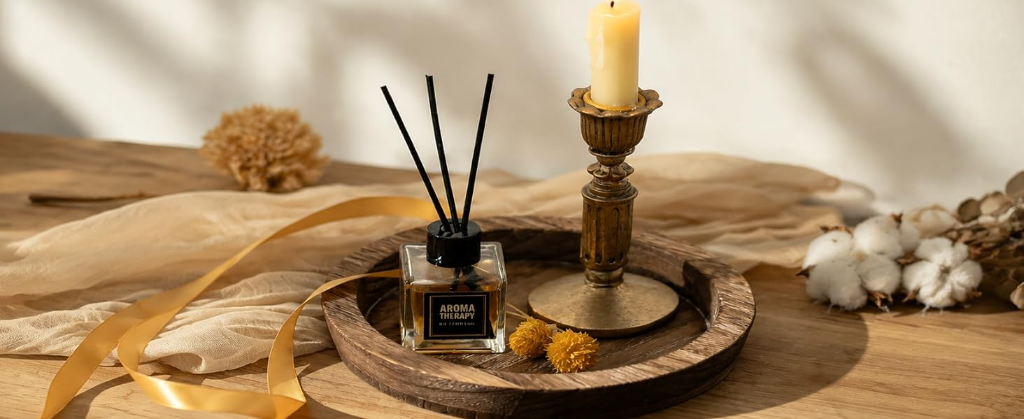
A well-styled farmhouse coffee table decor tray brings natural warmth and quiet order to your living room while keeping daily essentials neatly arranged.
Style a rustic coffee table decor tray with candles, greenery, and warm wood texture. Perfect for farmhouse living room decor, neutral decor, and cozy table styling. Click to shop the look on Amazon.
A bare living room table often becomes a magnet for misplaced remotes, loose mail, and scattered coasters. By introducing a farmhouse coffee table decor tray, you establish a dedicated zone that instantly transforms this chaotic surface into a curated focal point. In my nine years of styling residential spaces, I have consistently relied on this simple addition to bring both warmth and functional order to the center of a room. When you frame your daily objects within a defined boundary, the entire seating area feels intentionally designed rather than casually abandoned. The distressed wood tones and soft styling elements typical of this aesthetic invite you to sit down and relax.
Creating this specific look requires more than just gathering random items and dropping them onto a wooden platter. It demands a thoughtful approach to texture, height, and scale. A successful arrangement balances the rugged nature of rustic materials with the softness of organic elements, ensuring that your table remains both beautiful and highly practical for everyday living.
The Anatomy of Farmhouse Styling
The foundation of any rustic display begins with the vessel itself. For a true farmhouse aesthetic, you want materials that tell a story of age and use. Heavily grained oak, reclaimed barn wood, or distressed pine provide the perfect grounding element. These materials bring a sense of history into the room, offsetting the pristine finishes of modern sofas and flat-screen televisions. You should look for trays that feature subtle imperfections, such as natural knots or slightly weathered edges, because these details prevent the setup from looking overly manufactured.
Beyond the wood itself, the hardware plays a crucial role in the overall feel. Wrought iron handles or dark bronze accents introduce an industrial contrast that keeps the arrangement grounded. This combination of warm timber and dark metal is a hallmark of the farmhouse style. In my own styling projects, I often recommend a tray with a rim height of around 4 to 6 cm. This dimension is tall enough to physically contain loose items but low enough that it does not obscure the decorative pieces you place inside.
Choosing the Right Tray Size and Shape
Scale is arguably the most critical factor when styling your centerpiece. A tray that is too small will look like a forgotten coaster, while one that is excessively large will monopolize the surface and leave no room for resting a coffee mug or a book. If you have a standard rectangular table measuring roughly 120 cm in length, a round tray with a 35 to 40 cm diameter creates the ideal proportion. The circular shape breaks up the grid of a rectangular room, encouraging the eye to move smoothly around the space.
For square coffee tables, a square tray can work beautifully, provided you offset it slightly from the center. Placing it dead center can feel rigid and formal, which contradicts the relaxed nature of farmhouse design. Instead, position the tray toward one corner, leaving the opposite side open. This asymmetrical approach mimics the natural, unstructured feel of a comfortable country home. It also ensures that the table retains its primary function as a resting place for drinks and reading materials.
Essential Objects for a Cozy Arrangement
Once you have selected your base, it is time to build the composition. I always follow the rule of varying heights: you need a tall element, a medium element, and a low element. For the tall piece, glowing pillar candles or a rustic ceramic vase filled with eucalyptus branches are excellent choices. A vase reaching 20 to 25 cm in height draws the eye upward and adds necessary volume to the display. If you opt for candles, LED versions with a 2700K color temperature provide a safe, warm ambiance without the risk of dripping wax onto your wooden surface.
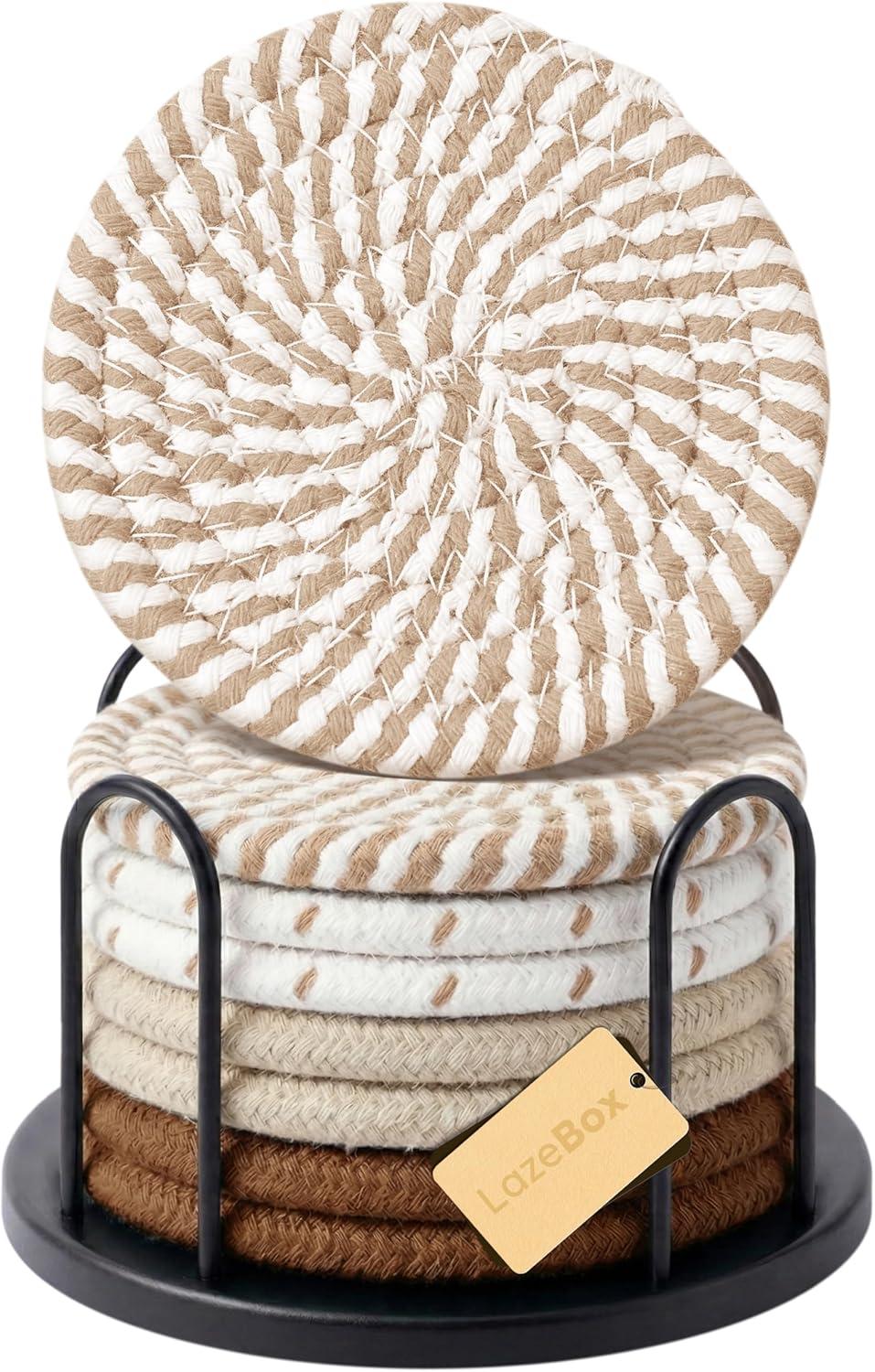
For the medium and low elements, consider incorporating objects with distinct tactile qualities. A stack of two small, cloth-bound books serves as a perfect medium-height pedestal, while a string of oversized wooden beads draped across the books adds an undeniably cozy, handmade touch. To ground the arrangement, place a small, weathered ceramic bowl or a set of distressed coasters in the remaining space. This careful layering ensures that the eye has multiple points of interest to explore.
If you are looking for a foundational piece that perfectly captures this balance of rustic charm and practical design, the tray below is an excellent starting point.
Style a rustic coffee table decor tray with candles, greenery, and warm wood texture. Perfect for farmhouse living room decor, neutral decor, and cozy table styling. Click to shop the look on Amazon.
The farmhouse palette relies heavily on warm, muted neutrals that evoke the outdoors. Think of soft ivory, deep terracotta, faded sage, and natural timber. When styling your display, try to incorporate at least three different textures to prevent the arrangement from falling flat. A smooth ceramic vase paired with rough-hewn wood and soft, dried florals creates a rich, multi-dimensional look. For inspiration on pairing ceramics with natural elements, our guide on ceramic vase decor ideas explores how to balance these surfaces effectively.
Greenery is the final, non-negotiable layer in this aesthetic. Even if you lack a green thumb, incorporating a few sprigs of preserved eucalyptus, dried wheat, or faux olive branches breathes life into the composition. The organic shapes of the leaves break up the hard geometries of the tray and books. To tie the whole room together, consider echoing this natural texture elsewhere, perhaps by adding a woven element like the one featured in our living room blanket basket styling article.
Seasonal Transitions for Your Display
One of the greatest advantages of this styling approach is its versatility throughout the year. The wooden base remains constant, serving as an anchor, while the smaller objects inside can be swapped out to reflect the changing seasons. In the crisp days of autumn, replace the green eucalyptus with dried amber wheat and swap your ivory candles for ones in a deep, spiced pumpkin hue. Adding a few small pinecones or a bundle of cinnamon sticks tied with twine instantly warms the arrangement.
When spring arrives, the transition is just as effortless. Bring in a small glass bud vase featuring a single, fresh-cut peony or a sprig of blooming lilac. Lighten the visual weight by removing the heavy wooden beads and replacing them with a delicate, light-colored linen coaster. By making these minor, inexpensive adjustments every few months, your living space remains dynamic and connected to the rhythms of the natural world outside.
Frequently Asked Questions
What is the best material for a farmhouse coffee table decor tray?
Natural distressed wood or woven rattan works best because these materials add organic texture. Metal trays can feel too cold, but a matte black iron handle on a wooden base provides the perfect balance.
How many items should I place inside my coffee table tray?
Aim for three to five distinct objects to maintain visual balance without overcrowding the surface. Grouping items in odd numbers feels more relaxed and prevents the arrangement from looking overly rigid.
Can I use a round tray on a rectangular coffee table?
Yes, a round tray softens the harsh angles of a rectangular table and encourages better visual flow. Just ensure the tray diameter is no more than half the width of your table to leave room for practical use.
How do I add height to my tray arrangement?
Use tall pillar candles, a slender ceramic vase with dried stems, or stacked books to create vertical interest. A flat arrangement lacks dimension, so always include at least one item that reaches upward.