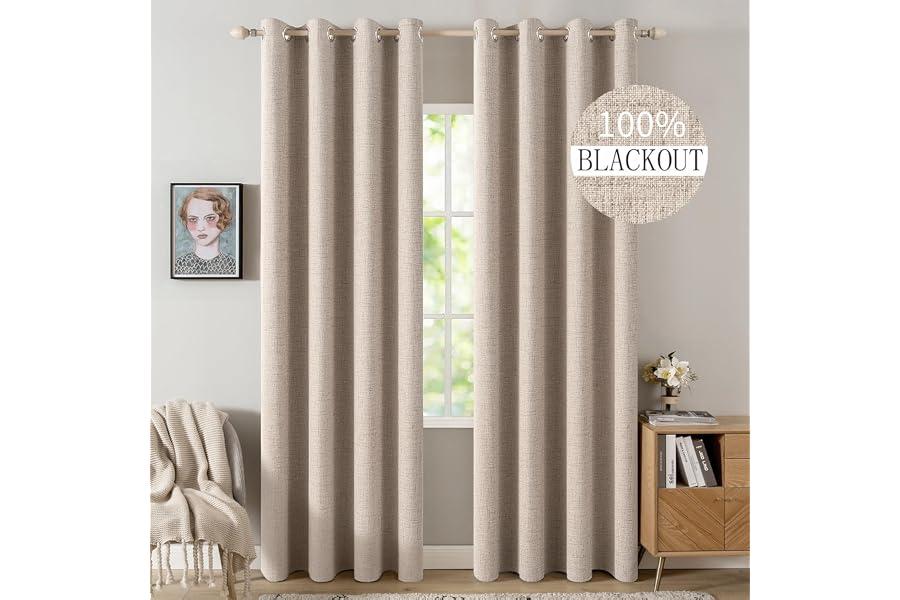
Featured in this article
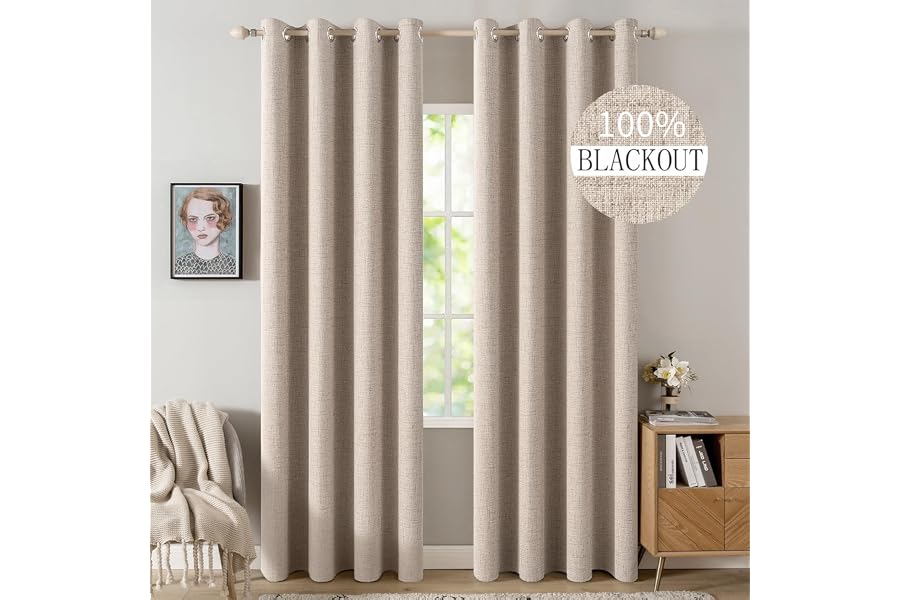
Cream Blackout Curtains | Cozy Neutral Bedroom Window Ideas
Style cream blackout curtains for a calm neutral bedroom with soft linen texture, thermal privacy, and polished back tab drapes. Click to shop the look on Amazon.
Home Decor · Interior Inspiration · Style Guides
Style cream blackout curtains for a calm neutral bedroom with soft linen texture, thermal privacy, and polished back tab drapes for optimal sleep.
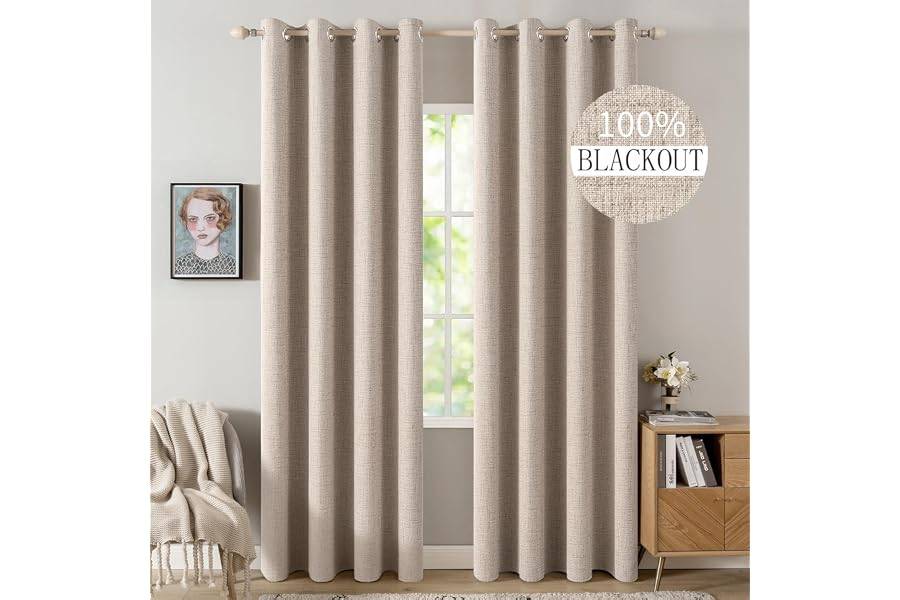
Style cream blackout curtains for a calm neutral bedroom with soft linen texture, thermal privacy, and polished back tab drapes. Click to shop the look on Amazon.
Creating a bedroom that feels like a true sanctuary often hinges on one critical design choice: window treatments. For years, the pursuit of total darkness for optimal sleep meant compromising on aesthetics. People assumed that blocking out streetlights and early morning sun required heavy, dark fabrics that absorbed all the visual lightness in a room. However, the design landscape has shifted significantly. Cream blackout curtains have become the ultimate solution for achieving both restorative sleep and a bright, airy aesthetic.
Through my extensive work helping clients optimize their residential spaces for better rest, I have seen firsthand how transformative the right window treatments can be. Incorporating soft, light-colored textiles with hidden room-darkening capabilities instantly elevates a space. It allows you to maintain a cohesive, neutral palette while honoring the biological need for a dark sleeping environment. Let's explore how to select, size, and style these essential pieces to craft a perfectly balanced bedroom.
The primary objective of any bedroom design is to foster rest. Standard unlined drapes or sheer linen panels look beautiful in a magazine, but they fail dramatically when a passing car's headlights sweep across your ceiling at two in the morning. Light pollution is a major disruptor of the circadian rhythm, actively suppressing the production of melatonin and leading to fragmented sleep cycles.
Historically, the alternative was a stiff, rubber-backed curtain panel that hung rigidly and looked distinctly institutional. Older blackout curtains relied on a solid layer of dark acrylic foam that often degraded, cracked, or melted if exposed to too much heat or improper washing. Furthermore, if you wanted a cream or ivory curtain, that dark lining would often bleed through visually, making the fabric look muddy or grey.
Modern manufacturing has completely resolved this issue. Today's high-quality cream blackout curtains utilize advanced triple-weave technology. This process involves weaving high-density black yarns tightly between a beautiful, light-colored face fabric and a neutral backing. The result is a soft, pliable textile that drapes exactly like traditional linen or cotton but blocks up to 99 percent of visible light. You no longer have to choose between the serene, organic look of light neutrals and the functional necessity of a pitch-black sleeping environment.
The benefits of heavy, lined curtains extend far beyond light control. The dense structure of the triple-weave fabric acts as a formidable insulating barrier between your bedroom interior and the exterior window glass.
During the winter months, windows are a significant source of heat loss. A properly fitted set of heavy drapes traps cold drafts, keeping the ambient room temperature stable. Conversely, in the peak of summer, closing these curtains during the hottest part of the afternoon reflects intense solar radiation, preventing your bedroom from turning into a greenhouse. Maintaining a consistent temperature—sleep experts generally recommend a cool 60 to 67 degrees Fahrenheit—is crucial for falling and staying asleep.
Additionally, the sheer mass of the fabric provides noticeable acoustic dampening. While no curtain will completely soundproof a room, the thick layers of woven fibers excel at absorbing high-frequency noises. If you live in an urban environment or near a busy road, the muffling effect on traffic hums and neighborhood chatter creates a significantly quieter, more isolated retreat.
When working with a monochromatic or neutral color palette, texture becomes your primary tool for adding depth and interest. A flat, synthetic-looking cream fabric will immediately cheapen the look of the entire room. Instead, look for natural textures that catch the light and create subtle shadows.
Linen and linen-blends are exceptionally popular for this reason. The organic, slightly irregular weave of linen brings an unpretentious luxury to the space. It feels relaxed but intentional. When the curtains are drawn open, the natural folds of the fabric add vertical movement to the room, preventing the walls from feeling flat.
A cream linen finish specifically introduces a gentle, warm tone that harmonizes beautifully with other natural materials like white oak, matte ceramic, and natural wool. It acts as a visual palate cleanser, providing a soft background that allows your eyes to rest. To achieve this look without sacrificing the required light-blocking performance, I always recommend seeking out pieces that explicitly combine a textured linen-blend face with a dedicated thermal blackout lining.
Style cream blackout curtains for a calm neutral bedroom with soft linen texture, thermal privacy, and polished back tab drapes. Click to shop the look on Amazon.
Even the most luxurious fabric will look underwhelming if it is improperly scaled or poorly hung. The most frequent mistake I see in residential bedrooms is "skimpy" window treatments—panels that are too narrow and rods that are mounted too low. To achieve a high-end, custom look, you must be generous with your dimensions.
First, calculate the necessary width. A curtain should never be pulled completely flat when closed. To maintain beautiful, undulating folds even when drawn shut, the total combined width of your curtain panels should equal 1.5 to 2 times the width of the window frame. For a 50-inch wide window, you should be looking for at least 100 inches of total fabric width. This fullness ensures the curtains look rich and substantial, and it guarantees sufficient overlap in the center to prevent annoying slivers of light from piercing through.
Second, consider the mounting height of the curtain rod. To visually elevate the ceiling and make the window appear grander, mount the rod at least 4 to 6 inches above the top window trim. If you have the space, mounting it just two inches below the ceiling line or crown molding creates a striking, floor-to-ceiling effect.
You must also extend the rod horizontally past the window frame. Aim for 6 to 10 inches of extension on either side. This allows the curtains to stack completely off the glass when open, maximizing natural daylight during the morning and making the window itself feel significantly wider.
Regarding length, the panels should either lightly kiss the floor or hover no more than half an inch above it for a clean, modern aesthetic. If you prefer a slightly more romantic, relaxed European look, allow the fabric to puddle on the floor by one to two inches. However, avoid excessive puddling in high-traffic bedrooms, as it collects dust and requires constant readjustment.
Cream blackout curtains are highly versatile, but they shine brightest when integrated into a thoughtfully layered, minimalist environment. Because the curtains provide a quiet, soft backdrop, you can afford to introduce richer textures in your furnishings.
Start by anchoring the room with warm woods. An olive or walnut bed frame, or a vintage oak dresser, grounds the light walls and fabrics. Layering the bed is the next step. Pair crisp percale cotton sheets with a chunky knit wool throw blanket and perhaps a subtle, textured lumbar pillow. For more ideas on creating this atmosphere, see our slow-living bedroom guide. The goal is to build visual interest through touch rather than loud patterns.
Lighting is also critical. Harsh, cool-toned overhead bulbs will cast a gray, clinical hue over your cream curtains, completely neutralizing their warmth. Opt for soft white or warm white LED bulbs (around 2700K) in your bedside lamps and sconces. This warm illumination will enhance the ivory tones of the fabric, making the entire room glow invitingly in the evening.
For the ultimate hotel-suite experience, consider a double curtain rod setup. Hang a layer of ultra-sheer, gauzy curtains closest to the window, and place your heavy cream blackout drapes on the outer rod. During the day, the sheers provide soft light filtration and privacy without darkening the room. At night, pulling the heavy panels closed creates an impenetrable, cozy cocoon. This is also an excellent renter-friendly bedroom update because it dramatically changes the room's architecture without permanent modifications.
To ensure your investment lasts, proper maintenance is required. Dust accumulation is inevitable and will slowly dull the brightness of the cream fabric. Incorporate your curtains into your monthly cleaning routine by gently vacuuming them from top to bottom using a clean upholstery brush attachment. Pay special attention to the top pleats or grommets, where dust tends to settle.
When it comes to deeper cleaning, you must exercise caution. The thermal blackout lining is sensitive to high heat and harsh chemicals. Many high-quality drapes require professional dry cleaning to prevent shrinkage or damage to the light-blocking layer. If the manufacturer's care tag indicates they are machine washable, use a delicate cycle with cold water and a gentle detergent.
Never place blackout curtains in a hot dryer. The heat can cause the thermal backing to melt, stick together, or peel away from the face fabric. Instead, either tumble dry on a strictly no-heat air setting or, better yet, hang them back on the rod while they are still slightly damp. The natural weight of the water will pull out most wrinkles as they air dry, leaving them smooth and ready to serve you for years to come.
Yes, modern cream blackout curtains use an interwoven thermal lining that blocks up to 99 percent of external light without requiring a dark face fabric, allowing you to enjoy a bright aesthetic during the day and total darkness at night.
For optimal light blocking and a luxurious draped look, your blackout panels should measure at least 1.5 to 2 times the total width of your window frame to ensure they overlap and prevent edge light seepage.
Most textured linen blackout drapes should be dry cleaned or spot cleaned to protect the blackout lining from melting or shrinking, but always check the specific care tag for machine washability instructions.
Absolutely. The dense foam or triple-weave lining in high-quality blackout curtains creates a significant insulating barrier that traps heat during winter and reflects harsh sunlight during summer, reducing energy costs.