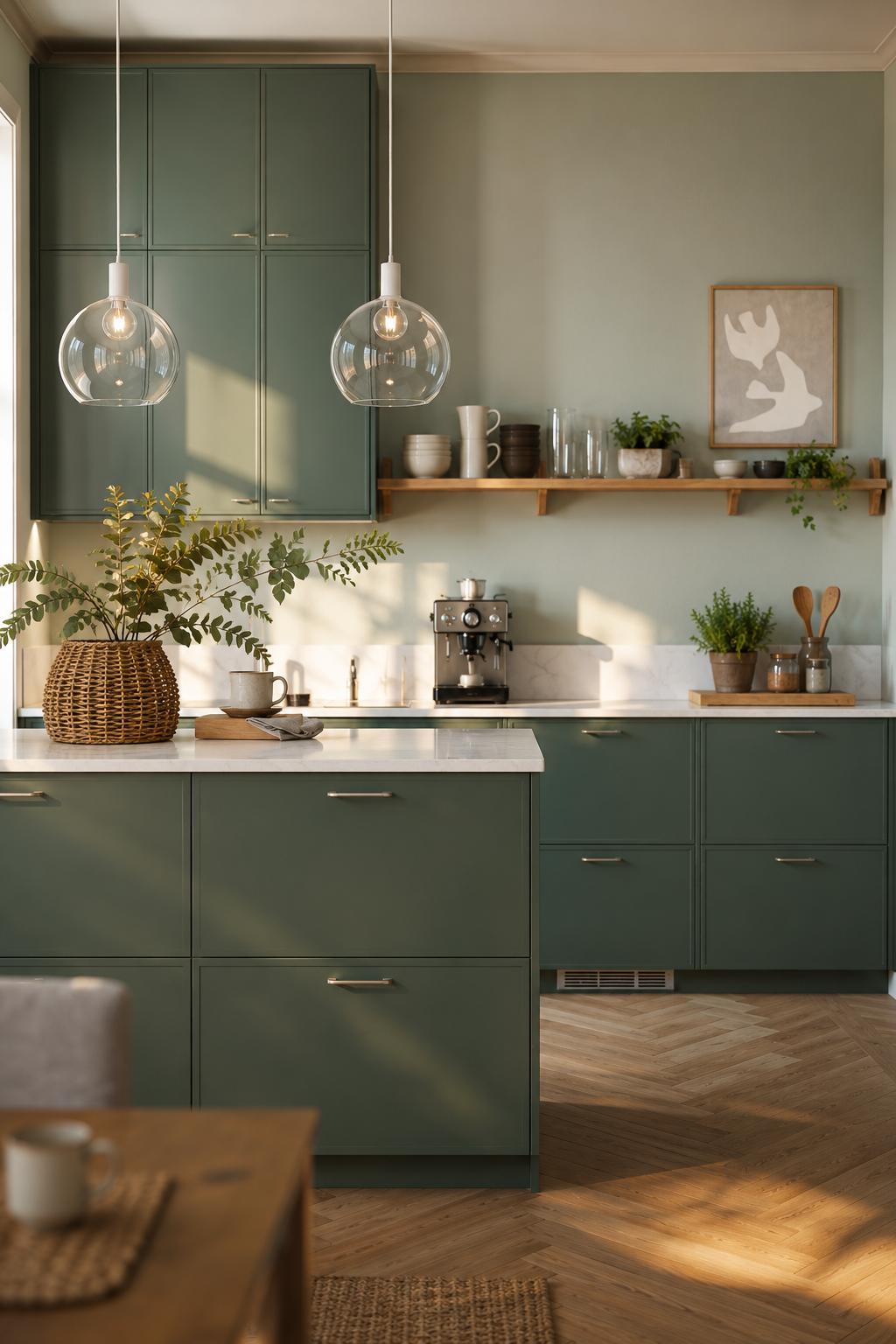
Rechargeable Under Cabinet Lighting | Cozy Kitchen Glow
Create a warm, functional kitchen with rechargeable under cabinet lights that install in seconds — no outlet, no wiring needed. Perfect for small apartment kitchens, pantry shelves, closets, and stairways.
When I first moved into my current apartment, the kitchen was functional but entirely devoid of character. The single overhead fixture cast harsh, unflattering shadows over the countertops, making meal prep feel more like a chore in a sterile laboratory than a relaxing evening ritual. I knew I needed to introduce layered lighting, but as a renter, hardwiring permanent fixtures was out of the question. This dilemma led me down the rabbit hole of wireless cabinet lighting ideas, a journey that completely transformed the way I experience my kitchen space.
By strategically placing rechargeable, battery-operated lights beneath my upper cabinets, I discovered that achieving a cozy kitchen glow doesn't require an electrician or a massive renovation budget. Today, the technology behind wireless lighting has advanced to the point where you can install sleek, dimmable, and motion-activated fixtures in a matter of minutes.
In this comprehensive guide, we will explore the practical applications, design benefits, and installation strategies for wireless cabinet lighting. Whether you are dealing with a dark apartment galley or simply want to elevate the ambiance of your home, these solutions offer a renter-friendly way to achieve professional-looking results.
The Evolution of Wireless Kitchen Lighting
If your previous experience with battery-operated lights involves bulky plastic pucks that require constant battery replacements, you are in for a pleasant surprise. The lighting industry has made significant strides in recent years, replacing disposable batteries with high-capacity, rechargeable lithium-ion cells. Modern wireless under cabinet lights are incredibly slim—often less than half an inch thick—allowing them to disappear entirely behind the cabinet lip.
These contemporary fixtures utilize advanced LED technology, which not only consumes a fraction of the power of traditional incandescent bulbs but also produces very little heat. This is a critical factor when installing lights in the confined space beneath kitchen cabinets, where you often store food items or delicate dishes. Furthermore, modern LEDs offer a beautiful range of color temperatures, meaning you are no longer stuck with the harsh, bluish-white light of older models. You can easily find fixtures that emit a warm, 3000K glow, perfectly mimicking the cozy ambiance of high-end, hardwired lighting systems.
Why Layered Lighting Matters in the Kitchen
To truly understand the impact of wireless cabinet lighting, we must first discuss the concept of layered lighting. Interior designers universally agree that a single overhead light source is insufficient for any room, but it is particularly problematic in a kitchen. When you stand at a counter to chop vegetables, your body naturally blocks the light coming from the ceiling, casting a shadow exactly where you need illumination the most.
Layered lighting solves this problem by introducing multiple light sources at different heights.
Ambient Lighting: This is your general overhead illumination, typically provided by recessed ceiling lights or a central fixture.
Task Lighting: This is focused, direct light intended to illuminate specific work zones. Under cabinet lighting is the quintessential example of task lighting in a kitchen.
Accent Lighting: This is decorative lighting used to highlight architectural features, artwork, or open shelving.
By integrating wireless under cabinet lights, you are simultaneously adding both task and accent lighting to your kitchen. During the day, they serve as brilliant task lights, illuminating your cutting boards and mixing bowls. In the evening, you can turn off the harsh overhead lights and rely solely on the soft, diffused glow of your under cabinet fixtures to create a relaxing, sophisticated atmosphere. It is one of those no-drill bathroom organization ideas but applied to the kitchen's lighting scheme—a complete game-changer for renters and homeowners alike.
Selecting the Right Wireless Fixtures
When shopping for wireless cabinet lighting ideas, the sheer volume of options can be overwhelming. To narrow down your choices and ensure you invest in a quality product, focus on these key specifications:
Battery Life and Charging Mechanisms
The biggest drawback of wireless lighting is the need to recharge the batteries. To minimize this inconvenience, look for light bars with high-capacity batteries (at least 1500mAh to 2500mAh). Many modern fixtures feature magnetic mounting brackets; the light itself snaps onto the bracket magnetically, making it incredibly easy to detach the bar and plug it into a USB charger.
If you opt for lights with motion sensors, your battery life will extend significantly, as the lights will only activate when you are actively moving in the kitchen.
Brightness and Dimmability
Kitchen task lighting needs to be bright enough to be functional. Look for fixtures that offer at least 150 to 200 lumens per foot. However, you don't always need maximum brightness. The ability to dim the lights is crucial for transitioning from task lighting during meal prep to ambient accent lighting during a dinner party. Many wireless lights offer step-dimming (e.g., 30%, 60%, 100%) or continuous, stepless dimming via a touch-and-hold sensor.
Color Temperature
As mentioned earlier, color temperature plays a massive role in the overall feel of your kitchen. For a warm, inviting environment, aim for a color temperature between 2700K (very warm, similar to incandescent bulbs) and 3000K (warm white, the standard for residential interiors). Anything above 4000K will start to look cool and clinical, which is rarely desirable in a cozy kitchen setting.
After testing several models in my own home, I consistently recommend fixtures that prioritize a slim profile and a warm, diffused light. They completely eliminate the "spotted" look common with cheap LEDs, providing a smooth, continuous wash of illumination across the backsplash.
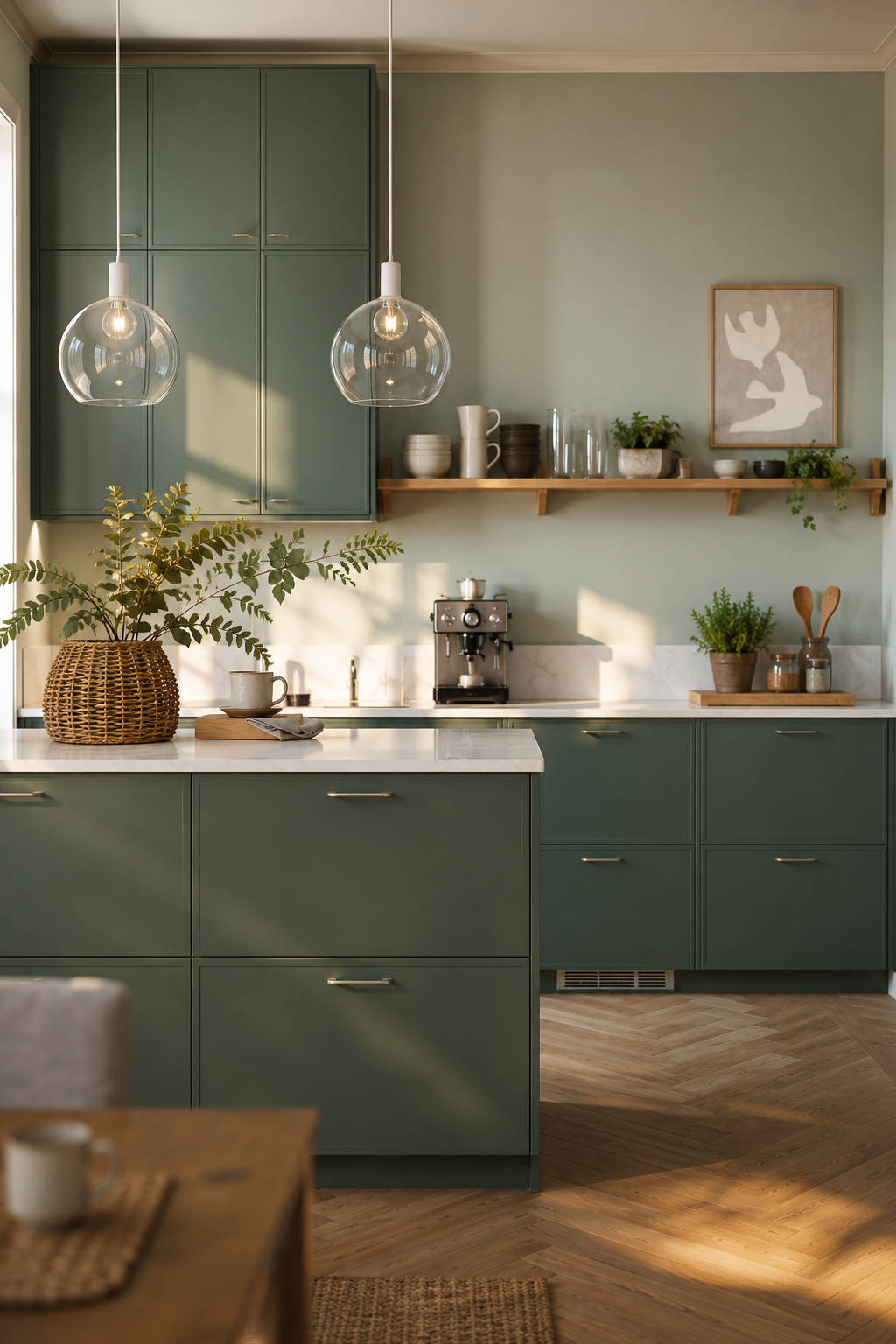
Rechargeable Under Cabinet Lighting | Cozy Kitchen Glow
Create a warm, functional kitchen with rechargeable under cabinet lights that install in seconds — no outlet, no wiring needed. Perfect for small apartment kitchens, pantry shelves, closets, and stairways.
One of the greatest appeals of wireless cabinet lighting is the foolproof installation process. However, a little strategic planning will ensure your lights look intentional and provide optimal illumination.
Placement and Positioning
The most common mistake people make when installing under cabinet lights is placing them too far back against the wall. If you mount the lights directly against the backsplash, you will create a harsh scalloped effect on the wall and leave the front half of your countertops in shadow.
Instead, position the light bars as close to the front edge of the cabinet as possible, just behind the decorative lip (or face frame). This placement directs the light down onto the center of the countertop—exactly where you need it for food prep—and minimizes glare when sitting at an adjacent dining table or kitchen island.
Managing Gaps and Seams
If your upper cabinets are divided by a sink window or a range hood, you will need to treat each bank of cabinets as a separate lighting zone. This is actually an advantage of wireless lighting; you don't need to worry about fishing wires through walls to bridge the gaps. Simply install independent, motion-activated bars on either side.
For long, continuous runs of cabinetry, try to center the light bars beneath each cabinet box. If you are using multiple smaller fixtures, space them evenly to avoid dark spots. The goal is to create a seamless, uniform glow across the entire length of the counter.
Exploring Accent Lighting Possibilities
While task illumination is the primary function of under cabinet lighting, wireless fixtures offer incredible versatility for other accent lighting applications throughout the kitchen and beyond.
Illuminating Open Shelving
Open shelving has become a staple of modern kitchen design, but without proper lighting, the items displayed on those shelves can easily disappear into the shadows. Attaching a slim, wireless light bar to the underside of a floating shelf instantly highlights your favorite ceramic mugs, cookbooks, or trailing plants. If you enjoy neutral vanity organization aesthetics, applying similar lighting strategies to your kitchen displays will elevate the entire room's design.
Pantry and Deep Drawer Lighting
There is nothing more frustrating than digging through a dark pantry or a cavernous lower drawer looking for a specific spice or utensil. Motion-activated wireless lights are the perfect solution for these deep, dark spaces. Mount a small puck light or a short light bar on the interior frame of your pantry door or the sidewall of a deep drawer. The moment you open the door or pull the drawer, the light turns on automatically, illuminating the contents perfectly.
Toe-Kick Lighting
For a truly high-end, custom look, consider installing wireless lights along the toe-kick (the recessed area at the base of your lower cabinets). This technique, often referred to as "nightlight mode," provides a soft, low-level wash of light across the floor. It is incredibly practical for late-night trips to the kitchen for a glass of water, allowing you to navigate the space safely without turning on the blinding overhead lights.
Maintenance and Long-Term Care
Maintaining your wireless cabinet lighting system is relatively straightforward. The most frequent task will be recharging the units. To avoid having all your lights die simultaneously, consider staggering their charging schedule. For example, if you have four light bars, charge two of them on a Sunday evening and the other two on a Wednesday.
Cleaning the fixtures is also important, as the underside of kitchen cabinets can accumulate grease and dust over time. Wipe the light bars down with a slightly damp microfiber cloth every few weeks to ensure the LED covers remain clear and the light output isn't diminished. Avoid using harsh chemical cleaners, as they can degrade the plastic covers and damage the sensors.
Transforming Your Space
Integrating wireless cabinet lighting ideas into your home is one of the highest-impact, lowest-effort design upgrades you can make. The ability to control the mood and functionality of your kitchen with the simple tap of a finger—or the wave of a hand—elevates the daily experience of living in the space.
By carefully selecting fixtures with the right color temperature, prioritizing strategic placement, and utilizing motion sensors for convenience, you can achieve the sophisticated, layered lighting scheme typical of high-end renovations. It is a testament to the power of thoughtful design: sometimes, the most profound transformations don't require knocking down walls, but simply illuminating the beauty that is already there.