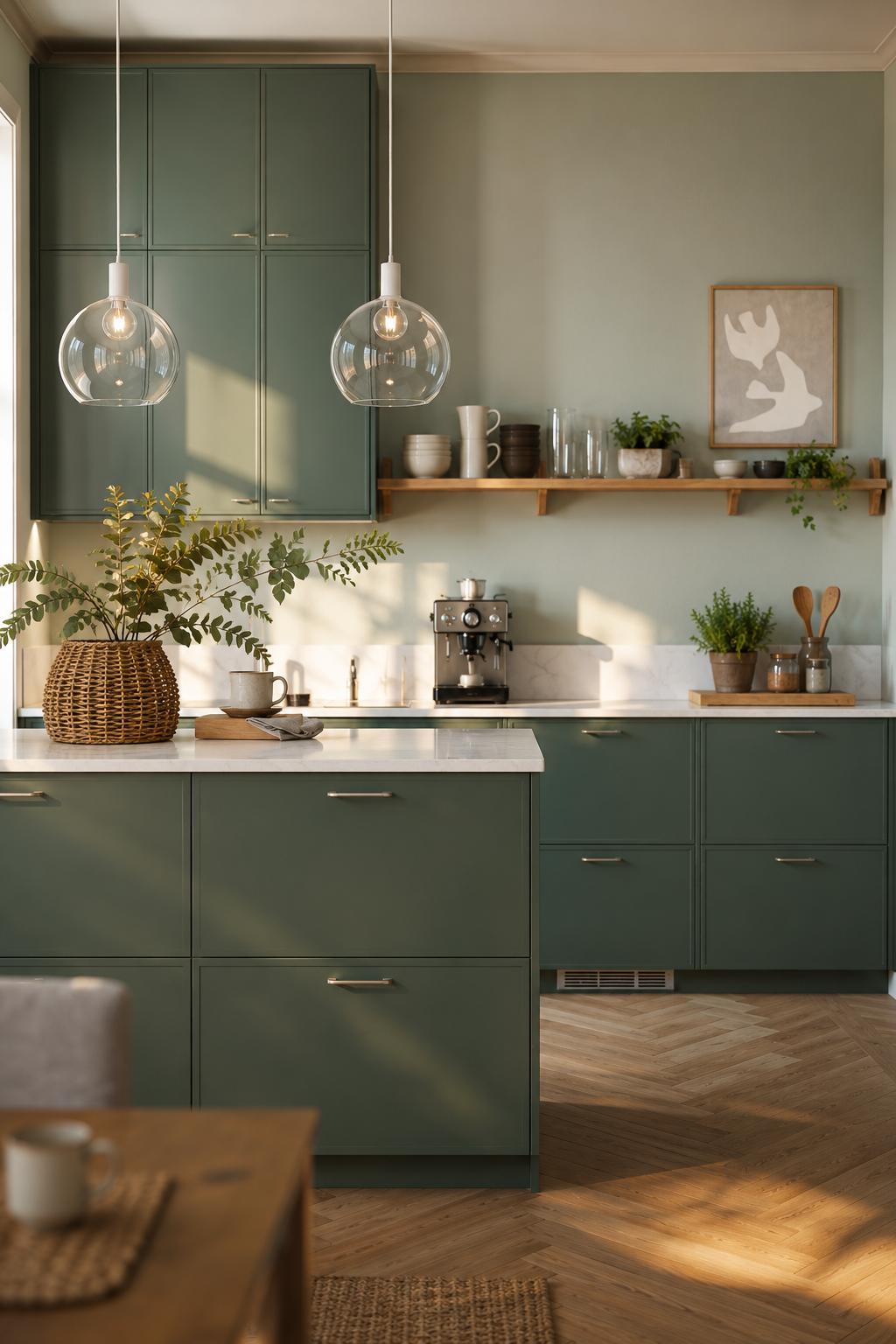
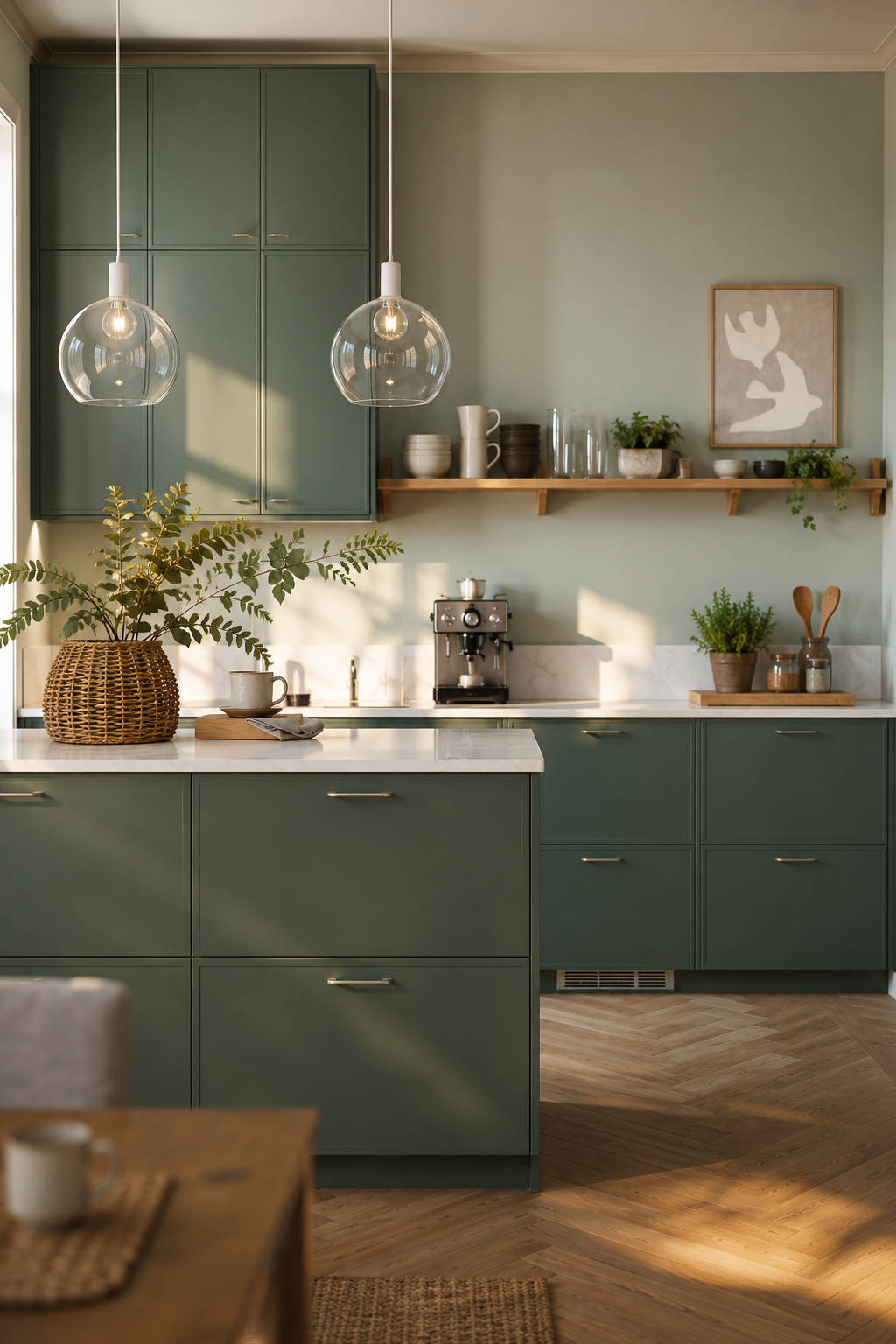
A stainless steel sink caddy is the perfect addition for a clutter-free space. Discover how to style your sink for a calm minimalist kitchen aesthetic.
Create a calm, clutter-free kitchen sink with a sleek stainless steel caddy that holds your sponge, brush, and soap dispenser in one tidy spot. Perfect for small kitchens, renter-friendly setups, and anyone chasing that warm minimalist counter aesthetic.
When designing a calming and functional home, the kitchen often demands the most attention to detail. We frequently invest heavily in broad strokes—like repainting cabinetry or installing high-end lighting fixtures—but the true secret to daily serenity is found in how we manage our smallest, most frequently used spaces. The area surrounding your faucet is arguably the hardest working zone in the entire house, serving as a hub for meal preparation, hand washing, and post-dinner cleanup. Introducing a stainless steel sink caddy to this high-traffic area is one of the most effective micro-projects you can tackle to restore visual order. By corralling scattered cleaning supplies into a single, cohesive unit, you immediately elevate the overall aesthetic of your countertops.
The journey to a minimalist kitchen does not require eliminating all of your tools; it requires giving those tools a deliberate home. In my experience styling residential kitchens over the last nine years, I have seen firsthand how a cluttered counter can induce subtle, persistent stress. When you replace a chaotic pile of damp sponges and mismatched soap bottles with a dedicated organizer, the entire room feels more intentional, instantly elevating your clean kitchen counter aesthetic.
Stainless Steel Kitchen Sink Caddy
Create a calm, clutter-free kitchen sink with a sleek stainless steel caddy that holds your sponge, brush, and soap dispenser in one tidy spot. Perfect for small kitchens, renter-friendly setups, and anyone chasing that warm minimalist counter aesthetic.
Why a stainless steel sink caddy elevates your aesthetic
The concept of visual noise is critical in interior styling. Every distinct object sitting on a countertop demands a fraction of your attention. When a sponge, a plastic scrub brush, a drain stopper, and a garishly colored dish soap bottle are scattered indiscriminately around the faucet, the eye perceives them as individual points of clutter. This visual fragmentation disrupts the smooth, continuous lines that characterize modern, minimalist design.
A high-quality organizer acts as an anchor, grouping these disparate items into what designers refer to as a singular "chunk." When you place your cleaning essentials inside a designated caddy, the eye no longer sees four messy objects; it sees one organized station. This principle of containment is incredibly powerful. Furthermore, the material choice matters significantly. Plastic organizers can feel flimsy and temporary, while silicone trays often look utilitarian and hold stagnant water. By contrast, 304-grade steel brings an architectural, polished element to the counter. It reflects light beautifully, adding a subtle gleam that complements high-end appliances and fixtures.
Beyond its visual appeal, this type of organizer is fundamentally more hygienic. Sponges left flat on a stone or laminate counter will remain damp for hours, fostering bacteria and developing an unpleasant odor. A well-designed caddy elevates the sponge, allowing a full 360 degrees of air circulation. This drastically reduces drying time and prevents moisture from becoming trapped against your valuable countertop surfaces, which can lead to degraded caulking or stubborn hard water rings.
Measuring and placement for your counter organizer
Before committing to a specific organizational tool, it is crucial to understand the dimensions of your available workspace. Counter depth behind a sink can vary wildly depending on whether you have an under-mount or drop-in basin, and whether your backsplash is thick tile or standard drywall. Generally, most modern kitchens offer between 3.5 and 5 inches of clearance between the faucet base and the wall.
You must measure this gap accurately. A caddy that is too wide will overhang the sink basin, becoming a frustrating obstacle when washing large pots, while one that presses tightly against the backsplash can trap moisture and make cleaning nearly impossible. Ideally, you want a footprint that measures roughly 8 to 9 inches in length and no more than 4 inches in depth. This compact size provides enough horizontal real estate to house an 8-ounce soap pump, a vertical brush, and a standard cellulose sponge, without dominating the area.
Placement is equally important for establishing an ergonomic and visually balanced setup. If the primary user of the kitchen is right-handed, situating the organizer on the right side of the faucet is usually the most functional choice, preventing the need to reach across the stream of water. However, if your sink is positioned asymmetrically or if you have specific under-cabinet lighting that highlights one side of the counter, let the visual balance dictate the placement. The goal is for the station to look purposefully integrated into the architecture of the kitchen.
Pairing natural accessories with your sink caddy
The inherent risk of incorporating metal accessories into a kitchen is that the space can quickly begin to feel cold or overly industrial. To counteract this, it is essential to introduce warmth through the thoughtful pairing of natural materials and organic textures. The contrast between the sleek, reflective surface of the organizer and the tactile qualities of natural accessories creates a rich, layered aesthetic.
Start by upgrading your soap dispensers. The easiest way to ruin a minimalist aesthetic is to display branded, neon-colored plastic bottles. Decant your dish soap and hand wash into glass bottles. Amber glass pumps offer a beautiful, vintage-inspired warmth that pairs exceptionally well with silver tones, while matte ceramic dispensers in a soft oat or charcoal color provide a more contemporary, muted contrast.
Next, reevaluate your scrubbing tools. Swap out synthetic, brightly colored dish brushes for alternatives made from natural materials. A bamboo or beechwood brush with tampico fiber bristles adds an immediate touch of rustic warmth, similar to the natural feel of an acacia wood kitchen utensil set. When resting in the organizer, the wooden handle breaks up the metallic lines and connects the styling to other natural elements in the room, such as a butcher block island or hardwood floors. Consider adding a small, low-light houseplant, like a pothos in a terracotta pot, a few inches away to introduce vibrant, living color and soften the hard right angles of the counter space.
Maintenance and preventing hard water stains
Even the most elegantly styled kitchen will feel chaotic if the organizational tools themselves become dirty. Metal organizers are subjected to a punishing environment of constant moisture, soap scum, and food debris. Establishing a realistic, low-effort maintenance routine is the key to ensuring your sink station remains a beautiful focal point rather than a chore you actively avoid.
The biggest threat to this type of setup is standing water. When water pools in the bottom of an organizer, it rapidly accelerates the buildup of mineral deposits and can even compromise rust-resistant finishes over time. Look for a design that incorporates a heavily sloped drip tray. A 15-degree angle is usually sufficient to ensure that excess water immediately drains back into the basin, keeping the interior dry and sanitary.
Daily maintenance should take no more than five seconds. When you are wiping down your counters in the evening, run a dry microfiber cloth over the exterior of the caddy. This simple action removes the day's water splashes before they can evaporate and leave behind chalky white calcium rings. Once a week, dismantle the organizer and clean it thoroughly with warm water and a mild dish soap. Avoid bleach or abrasive scouring pads, as these will permanently scratch the finish and strip away the protective chromium oxide layer that prevents the metal from rusting.
Renter-friendly benefits of a sink organizer
For those living in apartments or rental homes, achieving a personalized aesthetic can feel like an insurmountable challenge. You are often stuck with dated laminate countertops, shallow basins, and restrictive leases that prohibit permanent alterations. However, the sink station is one micro-zone where you retain complete control, making it an ideal candidate for a renter-friendly upgrade.
Because you cannot simply replace an unattractive faucet or install a deeper, more functional sink, your organizational tools must work twice as hard to distract the eye and introduce a sense of modern design. A high-quality organizer is a brilliant investment for renters because it requires zero installation, causes no damage to the property, and can easily be packed up and taken to your next home. It acts as a visual anchor that instantly modernizes the space.
In smaller apartment kitchens, counter real estate is the most valuable commodity. By utilizing an organizer that stores items vertically—such as holding a dish brush upright rather than laying it flat—you reclaim crucial square inches. This vertical orientation not only saves space but also draws the eye upward, making the area feel slightly more expansive. By curating this one specific zone with intention, you can effectively shift the focus away from the apartment's less desirable features and create a pocket of genuine calm and beauty.
Frequently Asked Questions
What is the best way to clean a stainless steel sink caddy?
The best way to clean a stainless steel sink caddy is to use warm soapy water and a soft microfiber cloth, completely avoiding abrasive scrubbers that might scratch the metal. Ensure you empty and rinse the drip tray weekly to prevent any hard water buildup.
Will a stainless steel sink caddy rust on a wet counter?
A high-quality stainless steel sink caddy made from 304-grade steel is highly rust-resistant, but constant exposure to pooling water can lead to spotting or minor surface oxidation. Using a model with an angled drip tray keeps water away from the base and protects your counter.
How do you style a metal sink caddy in a warm kitchen?
To style a metal sink caddy in a warm kitchen, introduce contrasting natural materials like an amber glass soap dispenser or a wooden dish brush. Adding a small potted plant near the sink station also helps soften the industrial look of the metal.
Is a metal caddy better than a silicone tray?
A metal caddy offers superior drainage and airflow compared to a silicone tray, which tends to collect pooling water and can quickly grow odors. The structured design also looks significantly more polished and intentional in a minimalist kitchen space.