Featured in this article
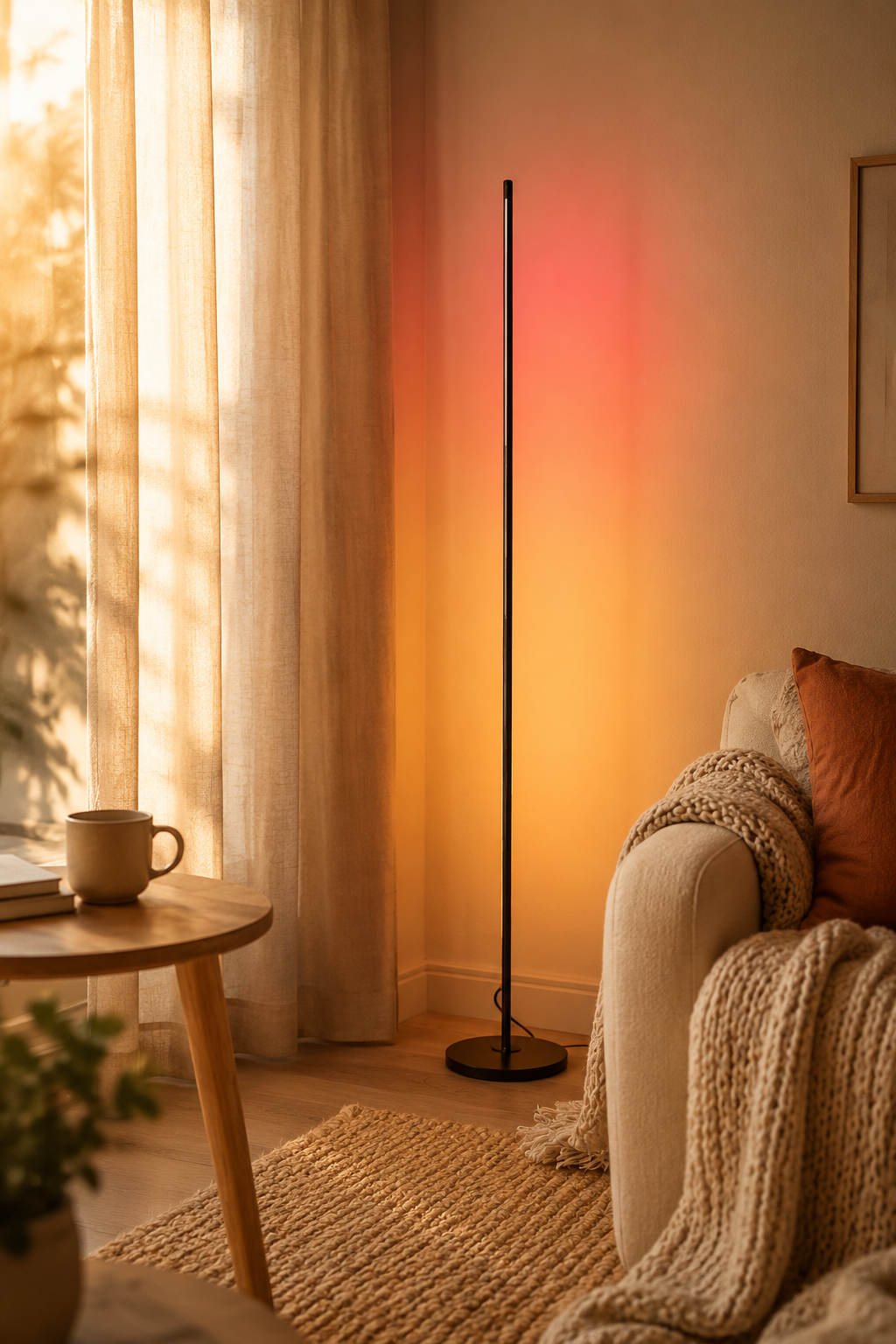
Govee RGBIC Floor Lamp Basic
Govee RGBIC Floor Lamp Basic, LED Corner Lamp Works with Alexa, 1000lm Modern Floor Lamp with Music Sync and 16 Million DIY Colors
Home Decor · Interior Inspiration · Style Guides
Discover the definitive list of home decor trends for 2026. We surveyed top interior designers to uncover the shifts toward biophilic design, warm earth tones, and heavily textured organic spaces.
Govee RGBIC Floor Lamp Basic, LED Corner Lamp Works with Alexa, 1000lm Modern Floor Lamp with Music Sync and 16 Million DIY Colors
As we move deeper into the decade, the aesthetic landscape of our homes is shifting dramatically. The stark, sterile minimalism of the past has been completely replaced. If you are planning a room refresh or a full home renovation, understanding the overarching home decor trends for 2026 is essential for creating a space that feels both current and timeless.
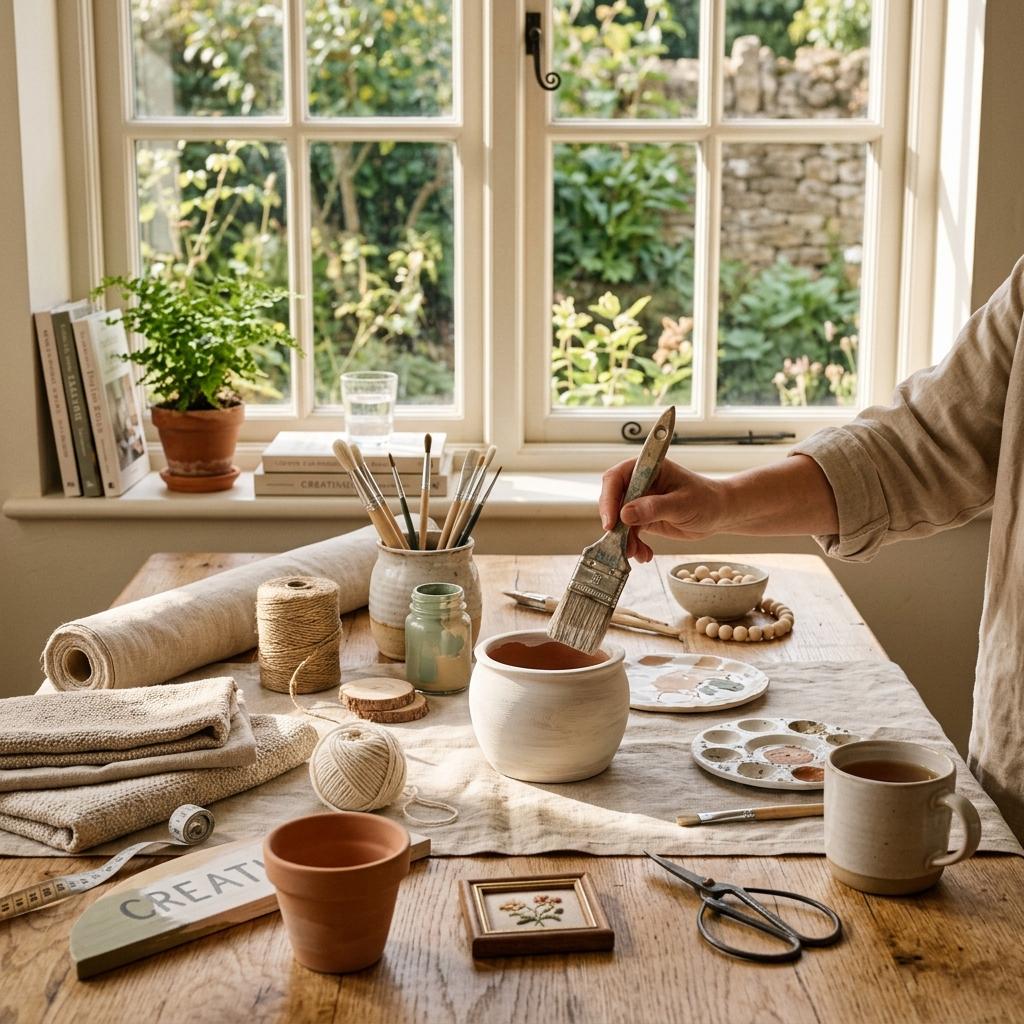
We surveyed dozens of residential interior designers and combed through industry data to compile this definitive guide. The consensus is clear: homes in 2026 are about warmth, heavy texture, and a deep, intrinsic connection to nature. Whether you are looking for simple budget-friendly DIY home decor ideas to update your space or planning a major structural change, these are the trends you need to know.
For nearly a decade, cool "builder gray" was the default neutral for walls, floors, and upholstery. In 2026, that era is officially over. The most significant shift in color palettes is the aggressive return to warm earth tones.
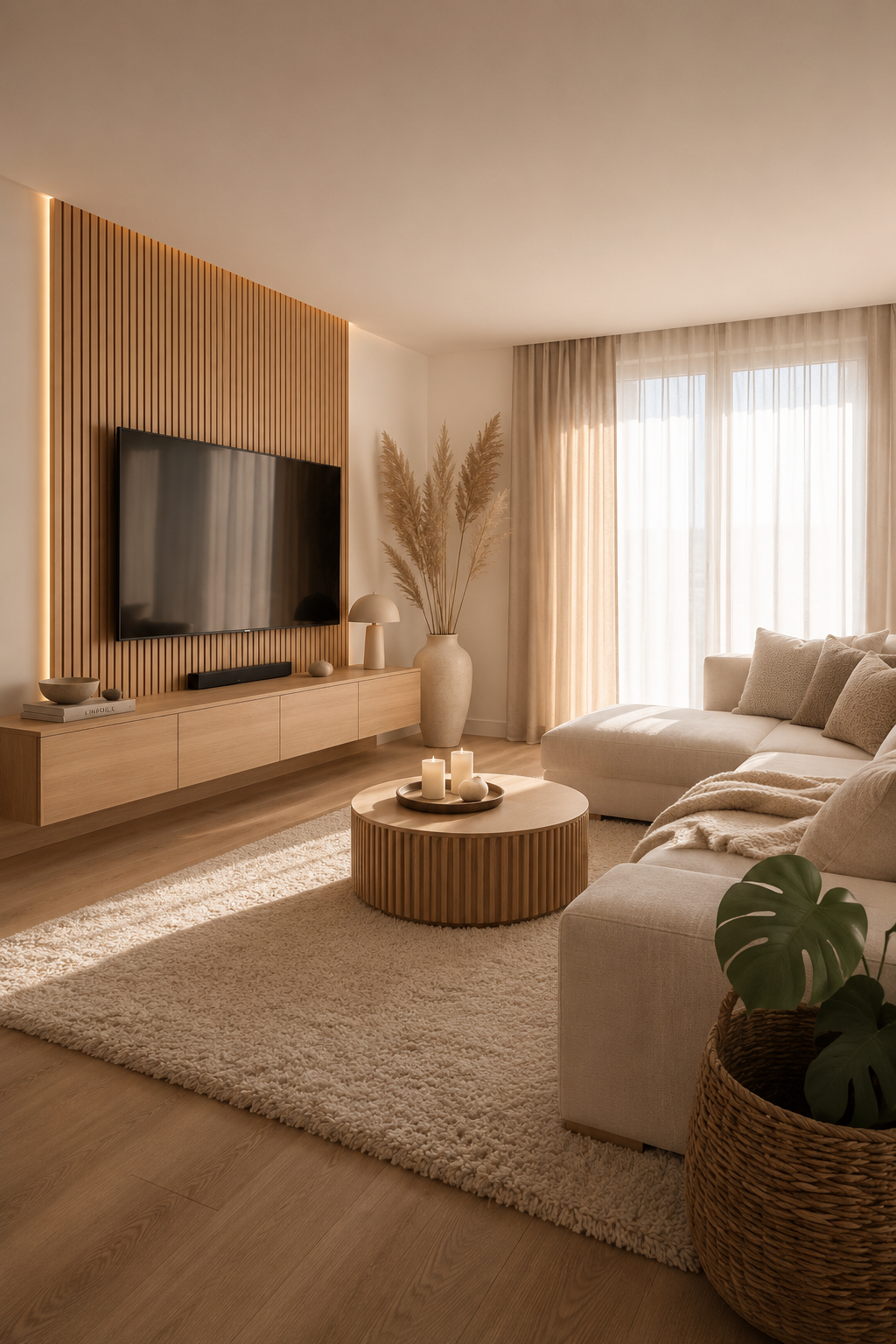
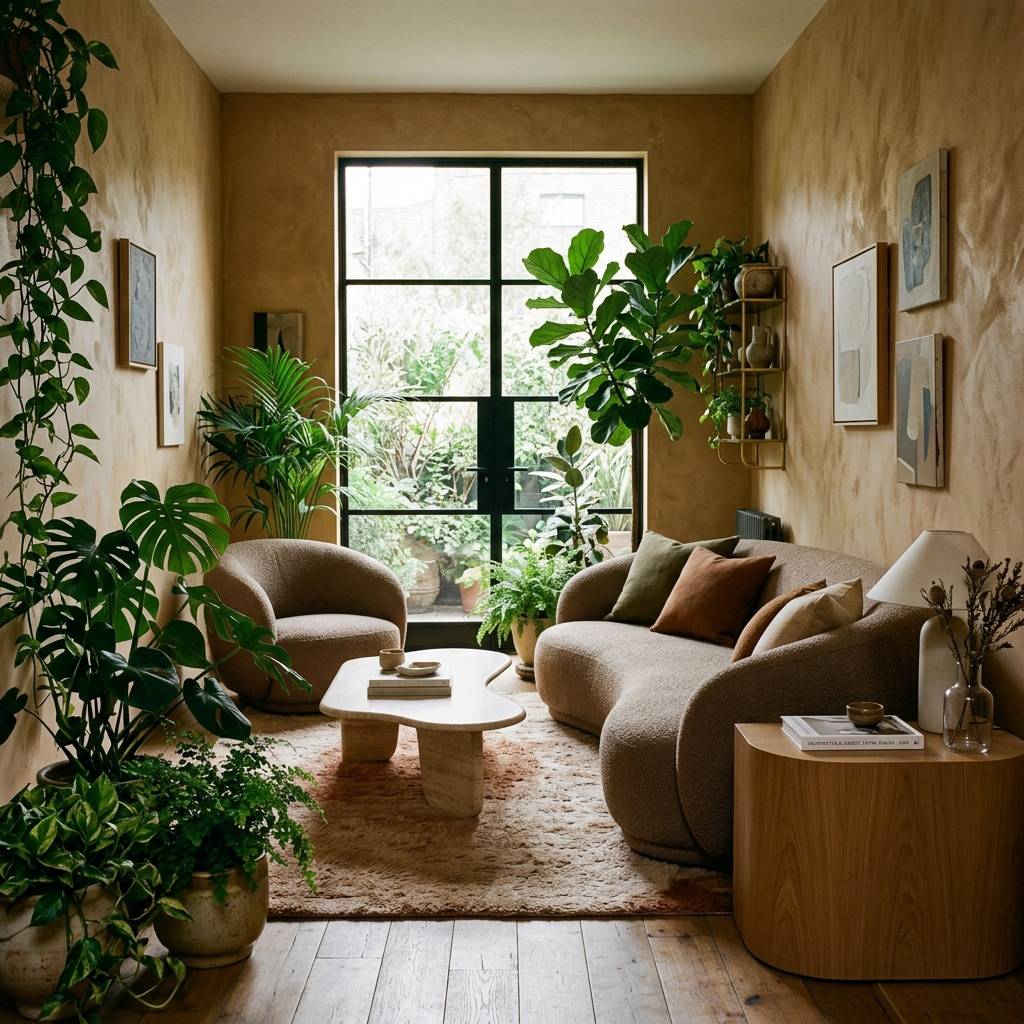
What to Look For: Instead of crisp whites and cool grays, designers are opting for complex, muddy neutrals. Think mushroom, soft taupe, camel, and warm beige. These colors reflect light beautifully and instantly make a room feel cozier. Accent colors have also deepened; we are seeing a surge in terracotta, olive green, and deep rust. If you are doing a seasonal rug refresh, swapping a gray rug for a warm beige or olive option is the fastest way to update your living room.
Flat, matte drywall is being replaced by walls that have tactile depth. Texture is arguably the most critical element of 2026 interior design, compensating for the lack of loud, chaotic patterns in modern minimalist homes.
How to Apply It: Venetian plaster, Roman clay, and limewash paints are dominating high-end interiors. These finishes provide a mottled, suede-like appearance that catches the light differently throughout the day. It makes large, blank walls look intentional and luxurious without requiring a gallery wall of art. You can achieve this look yourself with specialty paints, or even by using the DIY joint-compound canvas trick if you are on a strict budget.
Biophilic design—the concept of connecting indoor environments to the natural world—has transitioned from a niche architectural concept to a mainstream necessity.
Bringing the Outside In: In 2026, a single potted pothos on a shelf is no longer enough. We are seeing a massive increase in dedicated "plant rooms," indoor trees (like large Ficus Audrey or Olive trees), and even living green walls in residential bathrooms and kitchens. This trend also heavily influences material choices: expect to see a lot more raw, unvarnished wood, heavy stone coffee tables, and natural fiber textiles like jute and pure linen. Speaking of linen, incorporating long, puddle-length linen curtains is a perfect way to add organic softness to your windows.
The harsh, rigid geometry of mid-century modern replica furniture is softening. The 2026 silhouette is curved, chubby, and relentlessly comfortable.
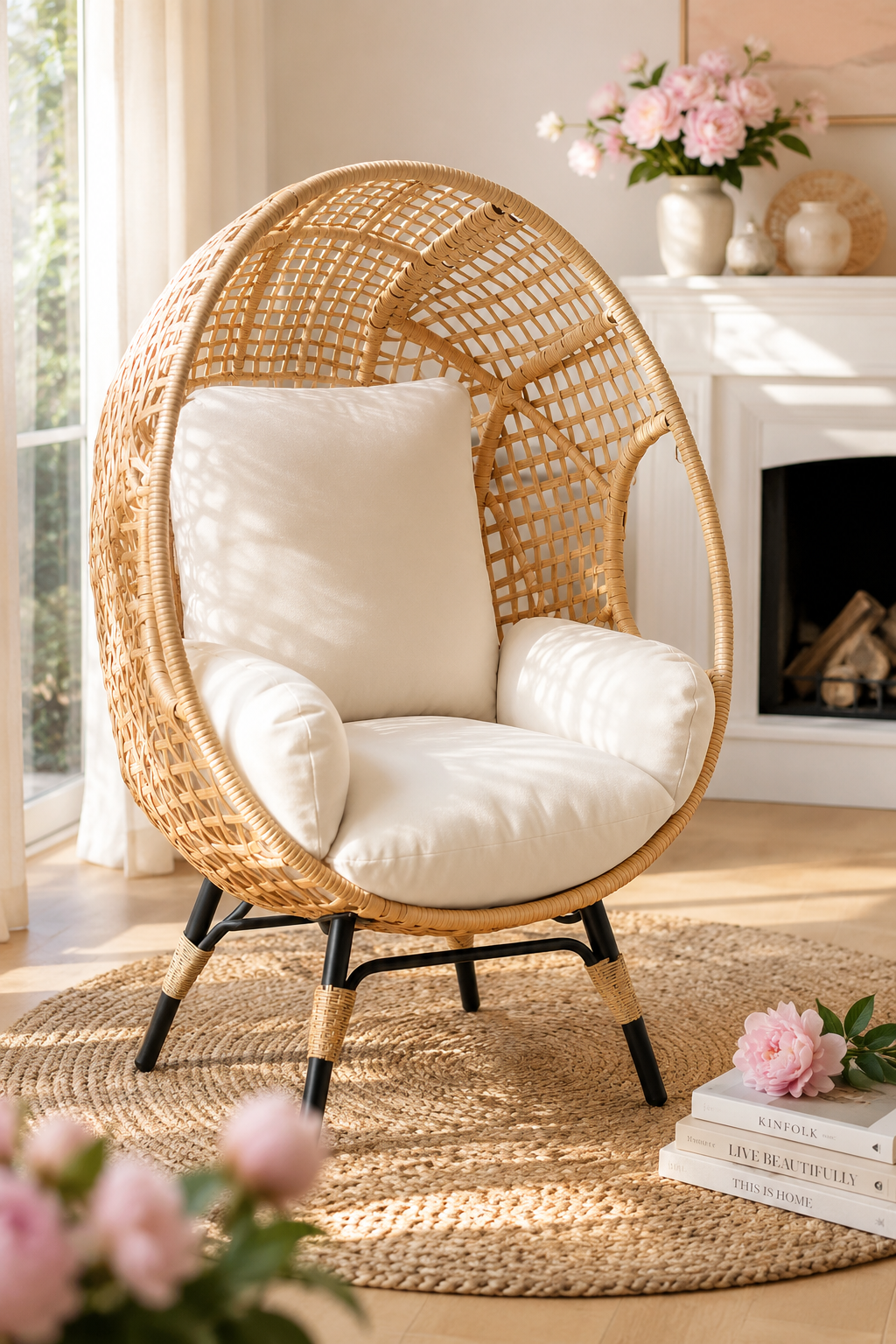
Furniture Shapes: Couches, armchairs, and even kitchen islands are featuring rounded corners and sweeping curves. This trend toward "organic modernism" helps to soften the often boxy, architectural shell of modern homes. A curved boucle sofa or a round, heavily veined marble coffee table forces the eye to move smoothly around the room, creating a calmer, more serene psychological environment.
The era of buying a matching bedroom set or a complete living room catalog page is dead. Homes in 2026 need to look collected over time, rather than decorated in a single weekend.
Mixing Eras: Designers are purposely mixing vintage and antique pieces with ultra-modern fixtures. You might see a sleek, modern Italian sofa paired with a 100-year-old heavily distressed wooden stool and a highly modern chrome floor lamp. This juxtaposition creates tension and interest. It allows you to integrate family heirlooms or thrifted finds seamlessly into a modern layout.
Govee RGBIC Floor Lamp Basic, LED Corner Lamp Works with Alexa, 1000lm Modern Floor Lamp with Music Sync and 16 Million DIY Colors
While main living areas are skewing toward warm neutrals, designers are using small, enclosed spaces to experiment with deep, dark, saturated colors.
Where to Use It: Powder rooms, small home offices, and formal dining rooms are being treated as "jewel boxes." These rooms are often painted—ceiling and doors included—in dark, moody shades like aubergine, forest green, or navy blue. This technique, known as color drenching, makes small rooms feel infinitely larger by blurring the lines where the walls meet the ceiling.
The underlying theme of all home decor trends for 2026 is comfort and authenticity. As the outside world becomes increasingly digital and fast-paced, our homes are shifting to become grounding, tactile, and deeply relaxing sanctuaries. By leaning into warm palettes, natural materials, and organic shapes, you can create a home that not only looks beautifully styled but actually feels good to live in.
The biggest interior design trend for 2026 is the total shift away from stark white minimal spaces toward warm, heavily textured organic modernism. This includes using warm earth tones, textured plaster walls, and natural materials like raw wood and stone.
No, cool gray walls are definitively out of style for 2026. Designers are replacing them with warm, earthy neutrals like mushroom, beige, terracotta, and soft taupe to create cozier, more inviting spaces.
Biophilic design is an approach that connects indoor spaces with the natural world. In 2026, this means incorporating large indoor trees, living plant walls, natural sunlight, and organic materials like rattan and raw timber into your home decor.
Curved sofas and organic, soft-edge furniture have proven to be more than a passing trend. They are a staple of the 2026 design language because they soften the harsh, architectural lines of modern homes and encourage conversational seating.