Gold Bathroom Vanity Light Ideas | Modern Warm Neutral Decor
Style a gold bathroom vanity light for warm, polished bathroom decor. Pair bubbled glass shades with neutral decor, arched mirrors, and soft towels. Click to shop the look on Amazon.
When it comes to updating a tired bathroom, selecting the right lighting is arguably the most transformative step you can take. While tile patterns and vanity styles dictate the broader architecture of the room, lighting dictates how the room feels. Finding the perfect gold bathroom vanity light ideas can shift a space from sterile and basic to warm, polished, and inviting. The right gold fixture introduces an element of quiet luxury that immediately softens hard tile lines, reflecting a warm glow that makes early mornings infinitely more pleasant.
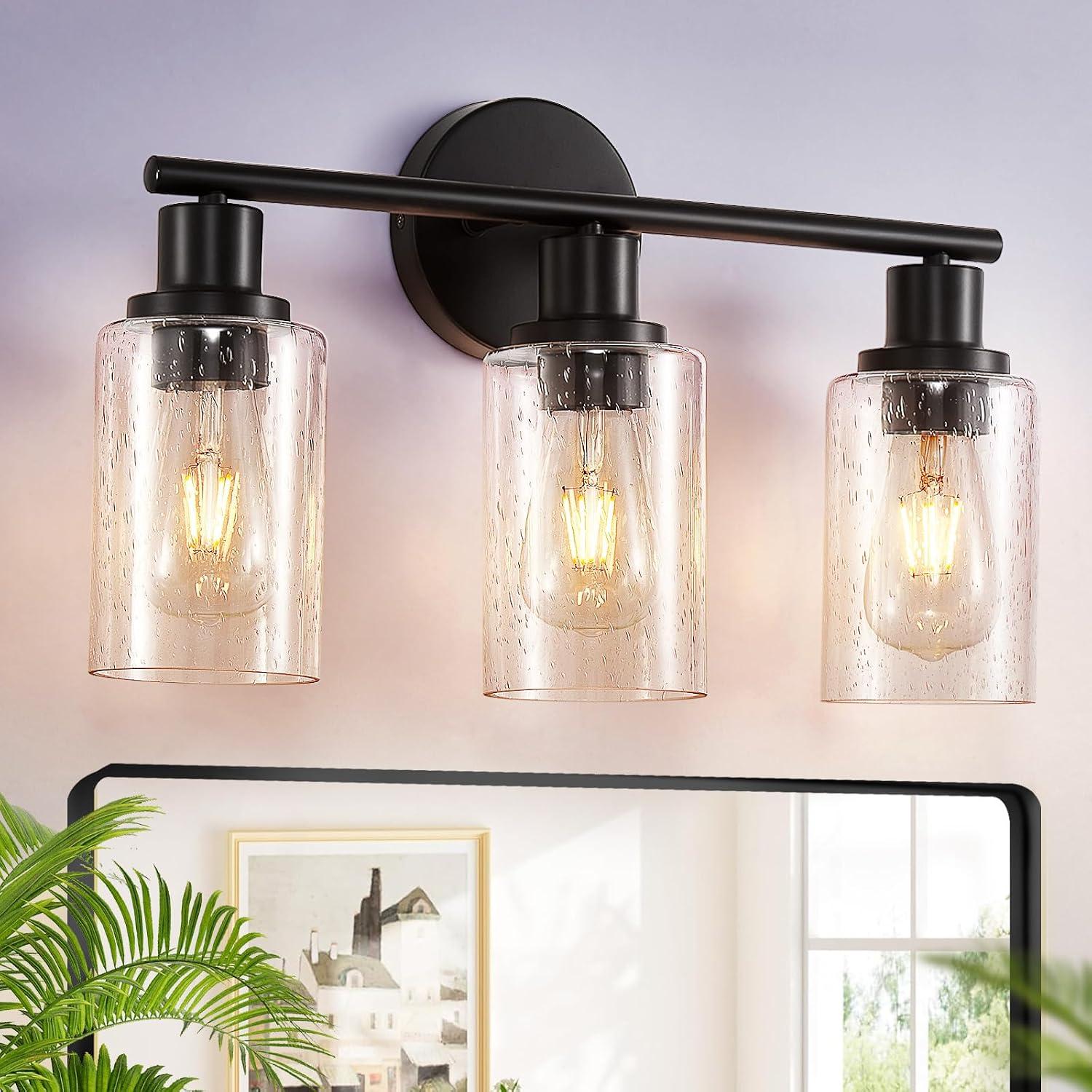
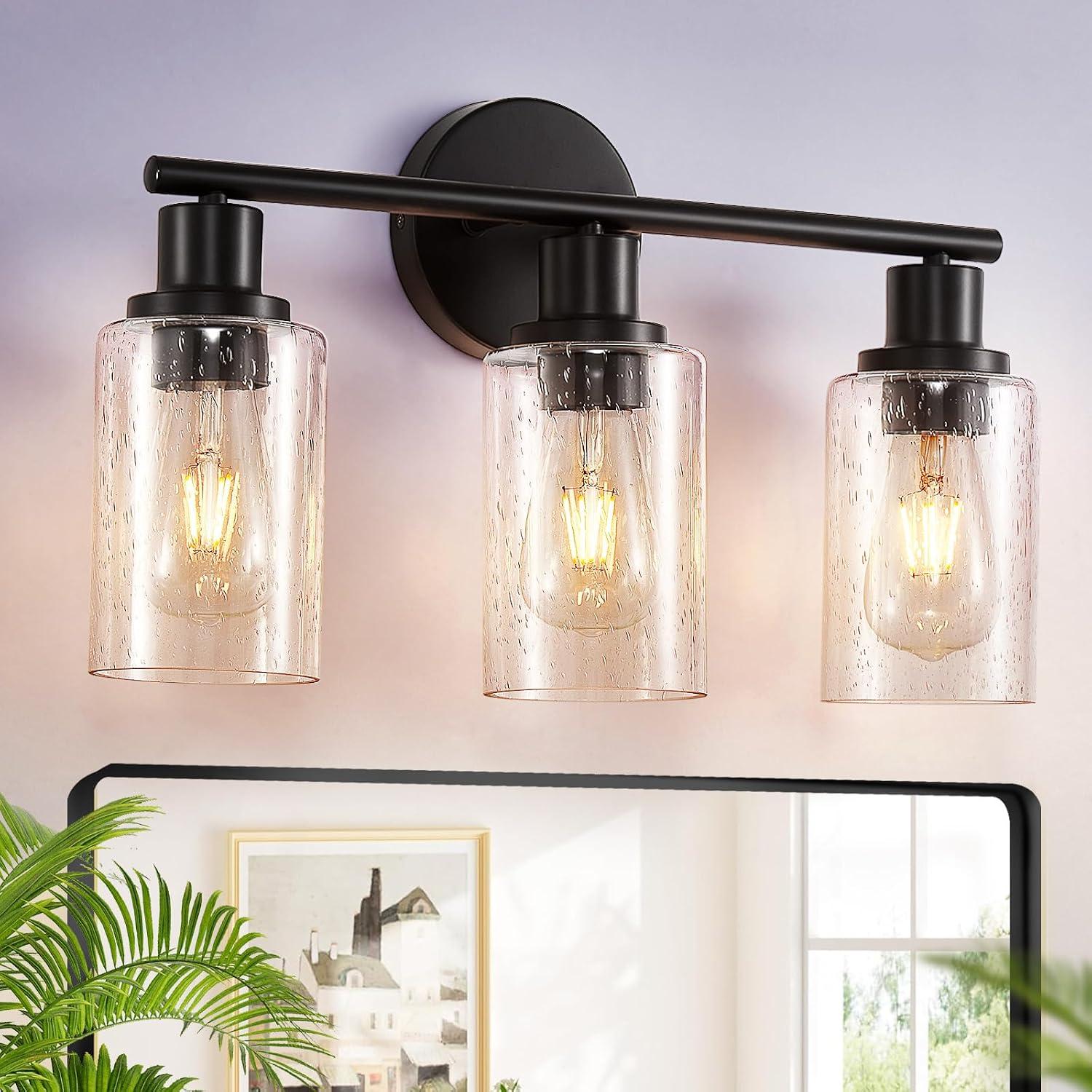
The appeal of gold hardware lies in its innate ability to balance the cooler elements found in most bathrooms. Crisp white quartz counters, pale grey grout, and expansive mirrors can easily render a room clinical. In my years of styling residential bathrooms, I have found that a three-light gold bathroom vanity light with beautiful bubbled glass shades serves as an essential counterweight, providing both targeted illumination and decorative warmth.
Gold Bathroom Vanity Light Ideas | Modern Warm Neutral Decor
Style a gold bathroom vanity light for warm, polished bathroom decor. Pair bubbled glass shades with neutral decor, arched mirrors, and soft towels. Click to shop the look on Amazon.
Why gold bathroom vanity lighting transforms a space
For decades, polished chrome and brushed nickel dominated bathroom design because they were safe, unassuming, and easy to source. However, as interior styling has shifted toward creating spaces that feel like living rooms rather than utilitarian washrooms, warm metals have reclaimed their rightful place. Gold bathroom vanity lighting transforms a space by acting as the room's jewelry. It provides a focal point that catches the eye immediately upon entering.
Unlike matte black, which provides stark, crisp architectural contrast, gold brings a subtle, glowing warmth that feels deeply comforting. A gold fixture with bubbled glass shades diffuses the light, casting soft, rippled reflections across the ceiling and upper walls. This textural light play makes a small bathroom feel infinitely more dynamic and considered. When you layer this warm metal over neutral wall paint, the result is a serene, spa-like environment that feels both grounded and elegant.
Sizing your gold bathroom vanity light correctly
The most frequent error people make when replacing their bathroom lighting is misjudging the scale. A stunning gold fixture will lose all its impact if it looks awkwardly small or overwhelmingly large above your mirror. Proportions are absolutely critical to achieving a professional, balanced aesthetic.
The standard design rule is that your vanity light should be approximately 75 percent of the width of the mirror beneath it. If you have chosen a beautiful matte black bathroom mirror that is 36 inches wide, your ideal gold light fixture should span between 24 and 27 inches. This measurement generally correlates to a standard three-light fixture.
If you have a large double vanity with a single expansive mirror, you have two distinct styling paths. You can install one very long fixture (often containing five to six lights) centered over the entire counter, or you can mount two smaller fixtures (typically two or three lights each) positioned directly above the center line of each sink. The dual-fixture approach is heavily favored by interior stylists because it creates specific functional zones, breaks up the large wall space, and provides far more flattering cross-illumination for each person using the mirror.
The importance of bulb color temperature
Even the most beautiful gold bathroom vanity light will fail to impress if it is fitted with the wrong bulbs. Color temperature is measured in Kelvins (K), and it dictates whether the light appears warm and yellow or cool and blue. Because a bathroom is where you start and end your day, the quality of light is paramount.
For a warm, inviting bathroom, always select bulbs with a color temperature of 2700K to 3000K. This range produces a soft, warm white light that is incredibly flattering to skin tones. Crucially, a 3000K bulb brings out the rich, buttery tones of a gold or brass fixture. If you mistakenly install "daylight" bulbs (typically 4000K or 5000K), the light will appear stark, clinical, and blue. Not only is this harsh on the eyes at 6:00 AM, but it can actually cause gold metal finishes to take on an unappealing, sickly greenish hue.
If your electrical wiring permits, installing your vanity light on a dimmer switch is a game-changing upgrade. A dimmer gives you total control over the atmosphere, allowing for bright, clear task lighting when applying makeup, and soft, low-level ambient light when unwinding in the tub.
Understanding gold finishes: Brass, brushed, and satin
The term "gold" is often used interchangeably with various brass finishes, but the specific texture you choose dramatically impacts the room's overall vibe. Understanding these distinctions helps you build a cohesive design narrative.
Polished Gold or Polished Brass: This is a highly reflective, mirror-like finish. While it can look stunning in highly traditional or opulent maximalist spaces, it shows every fingerprint and water spot. It can sometimes feel slightly dated if not paired with highly contemporary surrounding elements.
Brushed Gold: This finish features subtle brush strokes that dull the reflectivity, resulting in a soft, matte appearance. Brushed gold is exceptionally forgiving regarding water spots and dust. It feels modern, understated, and pairs effortlessly with organic textures like wood and stone.
Satin Brass: Similar to brushed gold but often without the visible brush lines, satin brass offers a smooth, muted glow. It is the perfect middle ground for warm modern decor, providing the richness of gold without any overwhelming shine.
Antique Brass: This finish incorporates darker undertones, mimicking the patina of aged metal. It is ideal for vintage-inspired spaces, rustic farmhouse designs, or historic home renovations.
For the most versatile, universally appealing look in a modern neutral bathroom, brushed gold or satin brass are the safest, most sophisticated choices.
Mixing metals with a gold vanity fixture
A common design fear is that once you commit to a gold vanity light, every other piece of hardware in the room—faucets, showerheads, cabinet pulls, and towel bars—must also be exactly the same shade of gold. This is a myth. In fact, perfectly matching every piece of metal can result in a room that feels flat, predictable, and overly contrived.
Mixing metals is a hallmark of sophisticated, layered design. A gold bathroom vanity light pairs exceptionally well with matte black plumbing fixtures. The black grounds the space and provides crisp contrast, while the gold fixture floats above, drawing the eye upward and adding warmth. You can then tie the two metals together by using cabinet hardware that features both black and gold elements, or by introducing a waffle bath mat and towels that feature warm neutral tones and subtle black detailing.
When mixing gold with polished chrome or brushed nickel, the contrast is less stark but requires more careful balancing. If you have existing chrome faucets that you cannot replace, introducing a brushed gold light fixture can warm up the icy tones of the chrome. Ensure you distribute the gold elsewhere in the room—perhaps through a decorative vanity tray or a gold-framed piece of wall art—so the light fixture does not look like an accidental outlier.
Layering warm neutral textures
The light fixture is the anchor, but the supporting decor elements dictate the final outcome of the room. A gold fixture looks best when it is surrounded by textures that enhance its warmth rather than compete with it.
Start with your textiles. Swap out stark, hospital-white towels for plush options in cream, warm beige, or soft oatmeal. Introduce a textured waffle bath mat to add depth and tactile interest to the floor. These warm neutrals create a soft, continuous visual landscape that allows the gold metal to shine without feeling stark.
Bring in organic elements to breathe life into the space. A faux eucalyptus branch placed in a simple ceramic vase on the vanity counter or a small wooden stool tucked beside the tub provides essential grounding. The vibrant green of the leaves and the rich grain of the wood interact beautifully with the gold lighting, creating a layered, collected aesthetic that feels far more expensive than a basic bathroom remodel. By focusing on these thoughtful, coordinated details, your gold vanity light becomes the crown jewel of a truly relaxing retreat.
Frequently Asked Questions
What size gold bathroom vanity light do I need?
Your vanity light should generally be about 75 percent of the width of your vanity mirror. For a standard 36-inch mirror, a 24-inch or 3-light fixture is typically the ideal proportion to provide even illumination without looking oversized or crowding the wall space.
Can I mix a gold vanity light with matte black or chrome plumbing fixtures?
Yes, mixing a gold vanity light with matte black plumbing fixtures is a highly effective modern design choice. The black adds crisp contrast, while the gold provides essential warmth. When mixing with chrome, ensure the gold has a warmer, brushed finish to prevent the metals from clashing harshly.
What color temperature bulbs are best for a gold bathroom vanity light?
For the most flattering light, especially against warm neutral decor and gold metal, use bulbs with a color temperature of 2700K to 3000K. This produces a soft, warm white glow that enhances skin tones and prevents the gold finish from looking brassy or green under harsh daylight bulbs.
Should vanity light shades point up or down?
For the best functional lighting when applying makeup or shaving, vanity lights should face down. Pointing the glass shades downward minimizes harsh shadows on your face. Upward-facing lights are better suited for general ambient room lighting rather than dedicated task lighting.